
The Case for Slow Travel: Spending More Time in Fewer Places
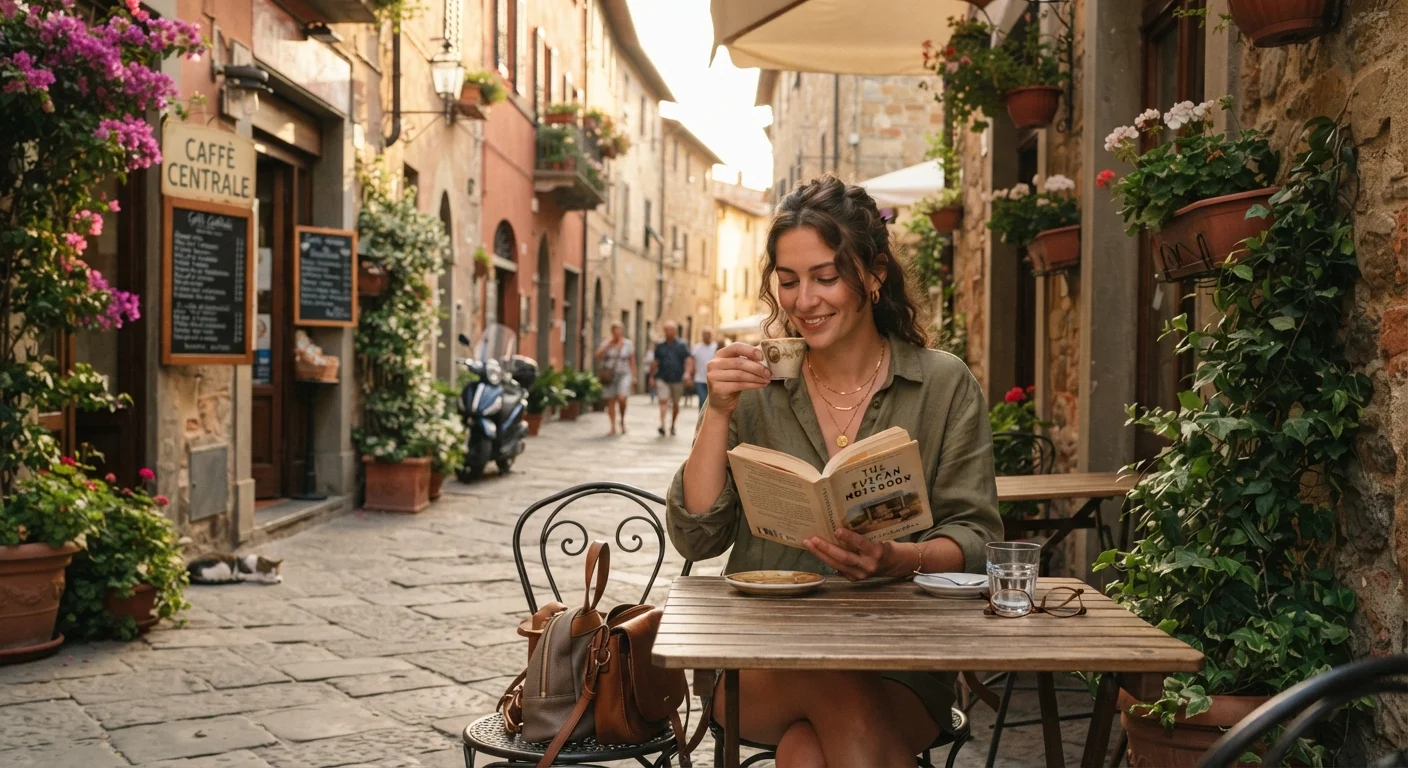
Photo credit: SyndicateExpert.com | Information At The Ready
In this article
Slow travel means choosing depth over breadth. Here's what it looks like in practice and why many frequent travelers say it changes everything.
Key Takeaways
- Slow travel prioritizes depth of experience over the number of destinations visited.
- Staying longer in one place often reduces transportation costs and logistical stress.
- Renting a local apartment or staying in a neighborhood rather than a tourist district accelerates cultural immersion.
- Slow travel is adaptable — it works for a two-week vacation, a sabbatical, or solo trips.
- The approach suits both budget-conscious and experience-focused travelers.
What Slow Travel Actually Looks Like
Imagine arriving in Lisbon for ten days instead of three. By day two, you know which padaria makes the best pastéis de nata in your neighborhood. By day five, the woman at the corner grocery store smiles when you walk in. By day eight, you've found a miradouro — one of the city's scenic overlooks — that doesn't appear in any guidebook. That's slow travel in practice.
It's not about doing nothing. Slow travelers still visit museums, take day trips, and explore. The difference is pace and intention. There's no checklist anxiety, no half-day museum dash before racing to a train. The itinerary bends around you rather than the other way around. Our itinerary-building guide has practical advice on designing exactly this kind of trip.
Why More Travelers Are Choosing It
Post-pandemic, a notable shift has emerged in how many Americans think about vacation. Survey data from tourism researchers consistently shows rising interest in "meaningful" and "restorative" travel — a direct counterpoint to the packed highlight-reel style that social media tends to celebrate.
72%
Travelers prioritizing experience over itinerary density
According to a Skift Research report on evolving traveler preferences, a strong majority of respondents now say they value depth of experience over the number of destinations visited per trip.
30–50%
Potential accommodation savings with weekly rentals
Vacation rental platforms commonly report that weekly apartment rates in major European cities can run 30–50% less per night than equivalent hotel bookings for the same dates.
2–3
Destinations per trip for slow travelers
Travel researchers studying slow tourism patterns have found that committed slow travelers typically visit two to three destinations per trip, compared to a conventional five or more on a standard itinerary of similar length.
Part of the appeal is simply practical. Fewer flights mean fewer opportunities for delays, lost luggage, and jet-lag spirals. Staying in a neighborhood apartment for a week is often less expensive per night than a hotel, and it comes with a kitchen, laundry access, and a sense of actually living somewhere rather than passing through. When your focus shifts from accumulating stamps to savoring places, the trip becomes less exhausting and more restorative.
There's also a cultural argument. Tourist-heavy itineraries often funnel travelers into the same queues, the same restaurants listed in the same apps, and the same photographs. Slowing down creates space to stumble into experiences that can't be booked — a neighborhood festival, an impromptu conversation with a local historian, a hidden trailhead a shopkeeper mentions offhand.
How to Make the Shift Without Losing Your Must-Sees
The most common objection to slow travel is FOMO: what if you miss something incredible two hours away? The honest answer is: you probably will. But slow travel is a deliberate trade, not a compromise. You're exchanging a surface-level encounter with ten places for a meaningful experience in two or three.
A few approaches make the transition easier:
- Pick a hub destination with strong day-trip options. Stay in one city, radiate outward for single-day excursions, and return each evening. You get variety without logistical chaos.
- Choose accommodation in a residential neighborhood rather than the tourist core. Grocery stores, local cafés, and morning street life are your orientation tools.
- Leave two or three full days unplanned. These become the best days — the ones where something genuinely unexpected happens.
- Time your visit intentionally. Shoulder season often suits slow travelers especially well, since crowds are thinner and locals are more visible in their own city. Our peak vs. off-season trade-offs guide breaks down exactly what to expect each way.
The Mindset Shift That Makes It Work
Slow travel is ultimately a values question more than a logistics question. It asks: what is a trip actually for? If the answer is "to say I've been there," the traditional approach makes sense. If the answer is "to feel genuinely changed or rested by the time I come home," slow travel is worth serious consideration.
“Travel is not a reward for working; it's education for living. And education takes time — you can't absorb a city in an afternoon any more than you can absorb a language in a week.”
— Attributed to various travel writers and widely paraphrased in travel philosophy literature, Common sentiment among slow travel advocates and travel essayists
Interestingly, the slow travel mindset rhymes with other intentional-living movements gaining traction in the U.S. — from mindful eating to slow dating, where depth and deliberateness are favored over speed. The common thread is resisting the cultural default of more-faster-louder in favor of something quieter and more personal.
You don't need a sabbatical or a remote job to try it. A two-week vacation restructured around two destinations instead of five is a perfectly accessible starting point — and for many travelers, it's the trip that resets how they travel for good.
Frequently Asked Questions

Author
Travel & Trips Editorial Team
Travel & Trips Editorial Team is the collective byline for our editorial team and contributor network. Articles published under this byline or an editorial pen name are researched, written, and reviewed according to our editorial standards for clarity, consistency, and independence before publication.
View all articles →