
The Real Trade-Offs of Traveling in Peak Season vs. Off-Season
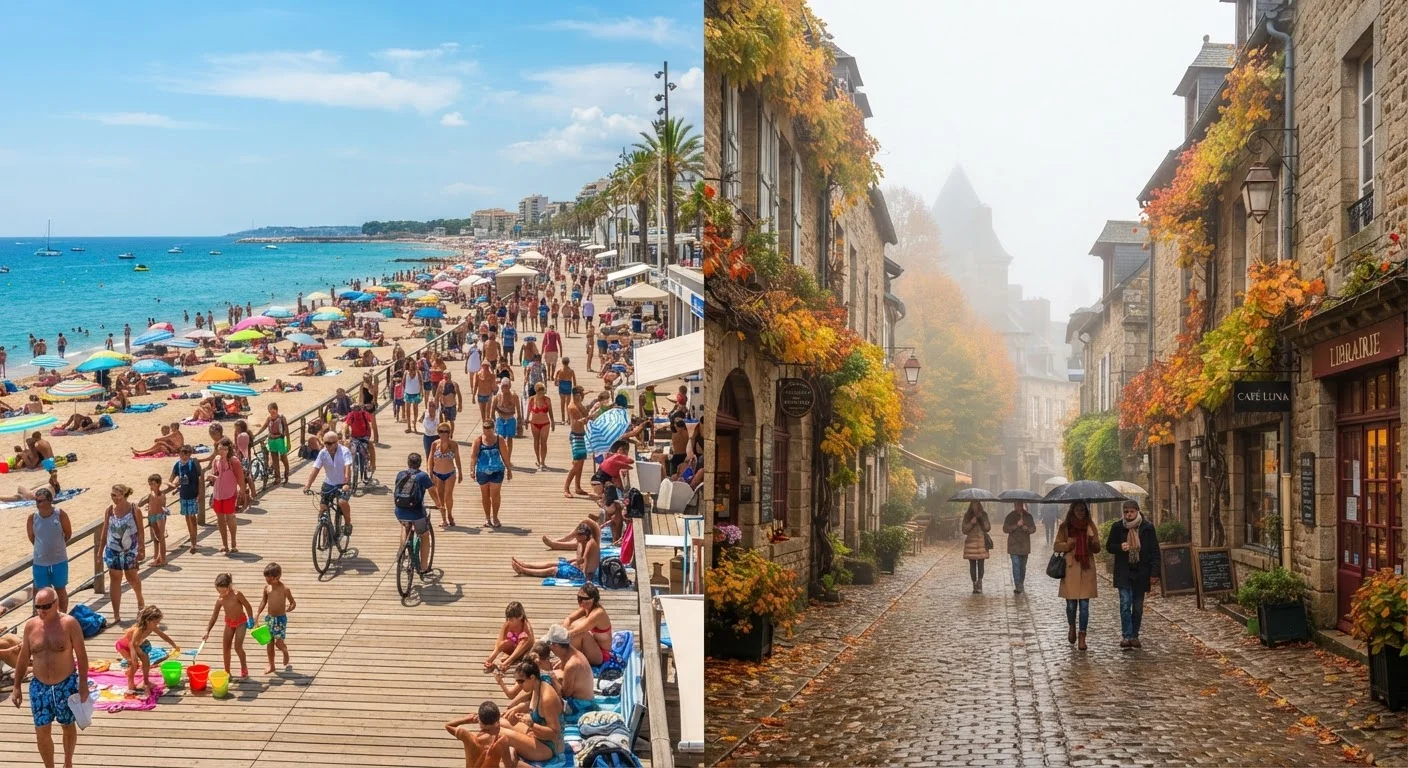
Photo credit: SyndicateExpert.com | Information At The Ready
In this article
Crowds, pricing, weather, and experience quality all shift depending on when you go. Understand what you're gaining—and giving up—with each choice.
Key Takeaways
- Peak season offers reliable weather, open attractions, and a lively atmosphere — at a measurable cost premium.
- Off-season travel typically means lower prices and fewer crowds, but some venues and tours may be closed or limited.
- Shoulder season — the weeks just before or after peak — can offer a practical middle ground for many destinations.
- The 'right' time to travel depends heavily on your priorities, flexibility, and who you're traveling with.
- Entry requirements, weather, and local events shift constantly — always verify conditions with official sources before booking.
Full access to attractions, tours, and services
Peak season means virtually everything at a destination is open and running — seasonal tours, beach clubs, park visitor centres, and cultural programming. First-time visitors in particular benefit from the complete experience.
Predictable, traveler-friendly weather conditions
Most peak seasons are defined by favourable weather — dry skies, comfortable temperatures, or long daylight hours. Predictability makes itinerary planning and outdoor activities far more reliable.
Lively atmosphere and social energy
Busy destinations in high season have an energy that quieter periods can't replicate — street performers, outdoor markets, pop-up events, and the simple buzz of a place at full life.
Easier logistics for group or family travel
School holiday alignment, wider availability of family-friendly activities, and more transport options make peak season the practical default for families with school-age children.
Significantly higher prices for flights and hotels
Peak demand drives up accommodation and airfare costs — sometimes by 30–60% compared to off-peak periods at popular destinations. Budget stretches thinner and flexibility to upgrade decreases.
Crowds at iconic sites undercut the experience
Waiting an hour to enter a national park, navigating shoulder-to-shoulder museum halls, or being unable to find parking at a beach are common peak-season realities that can genuinely diminish the trip.
Accommodation availability is limited and competitive
Popular lodging books out weeks or months in advance during peak season. Late planners face fewer options, less desirable locations, or significant price premiums for what remains.
Service quality can slip under high demand
Restaurants, hotels, and tour operators stretched to capacity during peak season sometimes deliver slower service and a less personal experience than the same providers offer in quieter periods.
Why Timing Your Trip Is More Complicated Than It Looks
Ask most travelers when to visit a destination and you'll get confident answers — "go in spring," "avoid August," "winter is dead." In reality, peak and off-season trade-offs are destination-specific, traveler-specific, and often misunderstood. What counts as peak season in Yellowstone (summer) looks nothing like peak season in the Florida Keys (winter). And "off-season" doesn't always mean bargains — sometimes it means hurricanes, closed restaurants, or flooded roads.
The smartest move before booking is doing honest research rather than chasing a generalised rule. Our pre-trip research checklist walks through exactly what to verify before you commit to any dates.
Full access to attractions, tours, and services
Peak season means virtually everything at a destination is open and running — seasonal tours, beach clubs, park visitor centres, and cultural programming. First-time visitors in particular benefit from the complete experience.
Predictable, traveler-friendly weather conditions
Most peak seasons are defined by favourable weather — dry skies, comfortable temperatures, or long daylight hours. Predictability makes itinerary planning and outdoor activities far more reliable.
Lively atmosphere and social energy
Busy destinations in high season have an energy that quieter periods can't replicate — street performers, outdoor markets, pop-up events, and the simple buzz of a place at full life.
Easier logistics for group or family travel
School holiday alignment, wider availability of family-friendly activities, and more transport options make peak season the practical default for families with school-age children.
The Honest Case for Traveling in Peak Season
Peak season exists for a reason — conditions are genuinely better by most conventional measures. Weather tends to be predictable, daylight hours are longer (in summer destinations), and the full range of tours, restaurants, ferries, and cultural events is operating. There's something energising about a destination at full vitality, especially if it's your first visit and you want to see it at its most photogenic and accessible.
For families, peak season is often less of a preference and more of a necessity. School calendars, childcare logistics, and child-friendly programming are largely concentrated in summer and holiday windows. If you're navigating those constraints, our guide to traveling with kids can help you get the most out of high-demand periods without the added stress.
The trade-off is real, though. Accommodation prices can be dramatically higher during peak windows, and popular attractions — national parks, coastal towns, European capitals — absorb enormous visitor volumes that affect everything from parking to wait times. Overtourism at iconic spots is worth understanding before you go; what overtourism really means at the destinations Americans love most provides a clear-eyed look at the phenomenon.
Significantly higher prices for flights and hotels
Peak demand drives up accommodation and airfare costs — sometimes by 30–60% compared to off-peak periods at popular destinations. Budget stretches thinner and flexibility to upgrade decreases.
Crowds at iconic sites undercut the experience
Waiting an hour to enter a national park, navigating shoulder-to-shoulder museum halls, or being unable to find parking at a beach are common peak-season realities that can genuinely diminish the trip.
Accommodation availability is limited and competitive
Popular lodging books out weeks or months in advance during peak season. Late planners face fewer options, less desirable locations, or significant price premiums for what remains.
Service quality can slip under high demand
Restaurants, hotels, and tour operators stretched to capacity during peak season sometimes deliver slower service and a less personal experience than the same providers offer in quieter periods.
The Real Appeal (and Real Risks) of Off-Season Travel
Off-season travel has earned a devoted following among experienced travelers — and for good reason. Prices for flights and accommodation frequently drop meaningfully when demand softens, crowds thin out at landmarks, and locals are easier to connect with when they're not overwhelmed by tourist volume. There's an intimacy to visiting a destination in its quieter months that peak-season visits rarely replicate.
"Off-Season" Isn't the Same Everywhere
In beach destinations like the Caribbean, off-season overlaps with hurricane season (roughly June through November), which carries real weather risk. In ski towns, summer is the quiet season — with cheaper lodging but limited winter activities. Always look up what specifically defines the slow period at your chosen destination before assuming it's simply cheaper and quieter. Official tourism boards and government travel advisories are reliable starting points.
The risks are equally real, however. "Off-season" at some destinations coincides with genuinely difficult weather — monsoons, extreme heat, hurricane season, or icy mountain roads. Some small-town restaurants close entirely; ferry services cut schedules; guided tours don't run with small groups. Before committing to an off-season itinerary, check what's actually operating during your planned dates — not just what's listed on a destination's general website.
Booking strategy also shifts in the off-season. Understanding how far in advance to book changes when demand patterns are different — last-minute flexibility can work in your favour, or catch you with limited options if others had the same idea.
Shoulder Season: The Strategy Many Experienced Travelers Swear By
Shoulder season — the weeks directly flanking peak season — is where many experienced travelers find their sweet spot. Prices have softened from their peak highs, crowds are noticeably lighter, and most core infrastructure (attractions, restaurants, transport) is still operating at reasonable capacity. The weather is usually close to peak-season quality, with some variability.
For destinations where overtourism is a significant issue — think Maui in summer, Sedona during spring bloom, or Rome in July — visiting shoulder season isn't just more comfortable, it's also more respectful of the destination. Traveling intentionally is one reason many frequent travelers shift toward slow travel and spending more time in fewer places.
20–40%
Typical hotel price drop in shoulder season
Industry travel data consistently shows accommodation rates at major destinations falling 20–40% in the weeks immediately flanking peak season, with comparable room quality.
3–4x
Visitor volume increase at peak national parks
US National Park Service visitation data shows summer monthly visitor counts at top parks like Yellowstone and Grand Canyon can be three to four times higher than winter months.
Shoulder season doesn't eliminate all trade-offs — some seasonal programming genuinely only runs at peak — but for a wide range of destinations, it offers a compelling combination of value and experience quality. It's worth comparing against your overall booking approach, including whether bundling makes sense for your dates. See how booking flights versus packages can shift costs depending on travel timing.

Author
Travel & Trips Editorial Team
Travel & Trips Editorial Team is the collective byline for our editorial team and contributor network. Articles published under this byline or an editorial pen name are researched, written, and reviewed according to our editorial standards for clarity, consistency, and independence before publication.
View all articles →