
What 'Overtourism' Really Means for the Destinations Americans Love Most
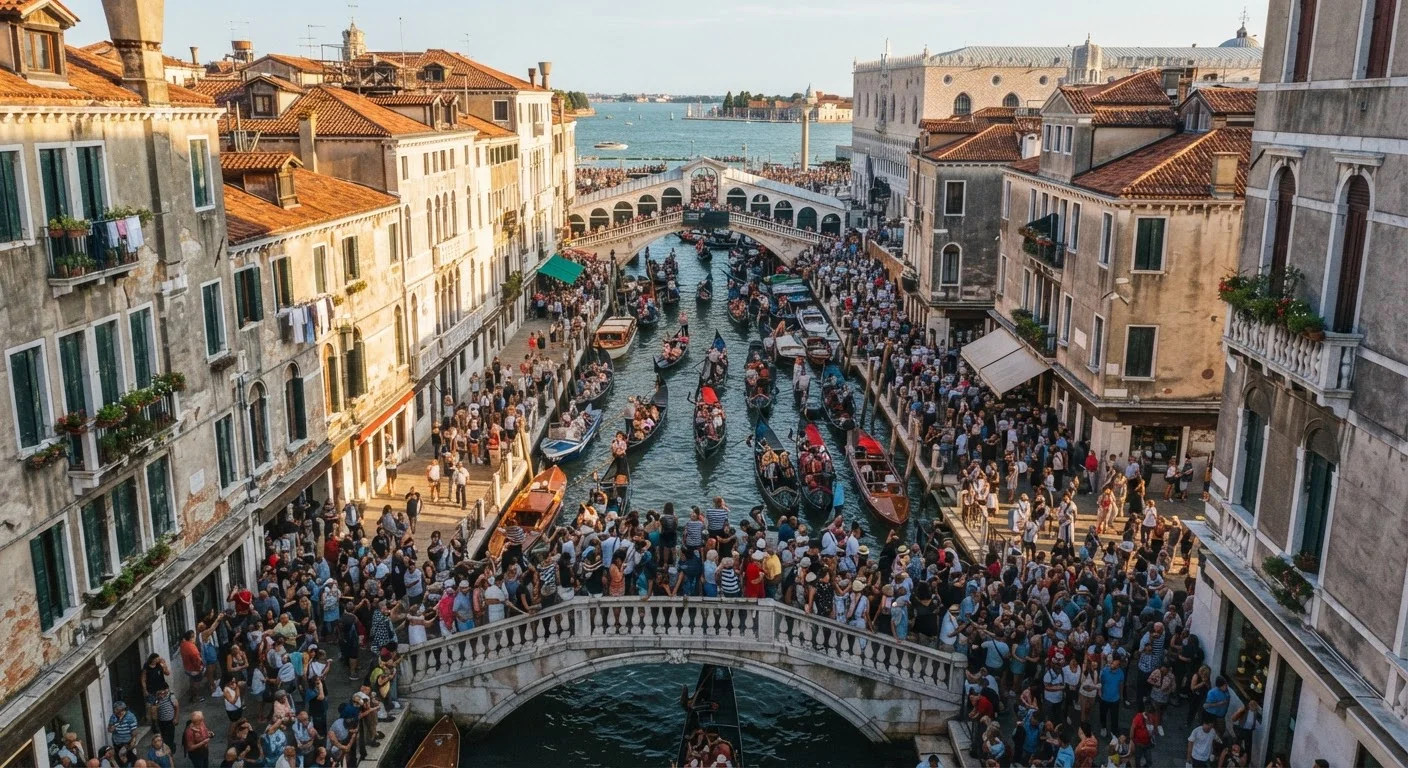
Photo credit: SyndicateExpert.com | Information At The Ready
In this article
Overtourism affects Venice, Maui, and Sedona differently. This explainer breaks down what the term means and how it shapes your experience on the ground.
Key Takeaways
- Overtourism is about a destination's capacity being exceeded, not simply large crowd sizes.
- It affects residents, ecosystems, and cultural sites differently depending on the location.
- Popular American destinations like Maui, Sedona, and national parks face documented overtourism pressures.
- Visiting in the shoulder season and dispersing to lesser-known spots can reduce your personal impact.
- Local governments are responding with entry fees, timed permits, and visitor caps — expect more of this.
More Than a Buzzword: What Overtourism Actually Describes
The word gets thrown around a lot, but overtourism has a specific meaning worth understanding before your next trip. It describes the point at which tourist arrivals consistently exceed what a destination can handle — environmentally, socially, and infrastructurally. A beach with a thousand visitors on a summer Saturday isn't automatically overtouristed. A reef ecosystem that's being irreversibly damaged by snorkeler contact and sunscreen runoff? That's a different story.
The concept emerged prominently in travel policy discussions around 2017 and 2018, as cities like Venice, Amsterdam, and Dubrovnik began pushing back against visitor volumes that were straining housing markets and heritage sites. But overtourism isn't purely a European phenomenon — it's reshaping how Americans experience their own favorite domestic destinations.
Overtourism and Climate Are Linked
Climate change is amplifying overtourism dynamics in some destinations. Shrinking snowpacks push ski visitors into narrower windows; coral bleaching concentrates divers at still-healthy reefs; wildfires close trails at peak season. The two issues reinforce each other in ways that are reshaping how destination managers plan for the future.
Understanding what drives overtourism helps you plan trips that are both more enjoyable and less harmful. Our trip itinerary guide walks through how to build a plan that avoids the worst crunch points.
Three Ways Overtourism Shows Up Differently
Not every destination suffers the same way. Understanding the type of strain helps explain why different places are responding with different tools.
Environmental Carrying Capacity
Some destinations have hard ecological limits. Maui's freshwater supply, Sedona's sandstone trail surfaces, and the coral ecosystems off Key West can only absorb so much human activity before permanent damage occurs. Once those thresholds are crossed, recovery can take decades — if it happens at all.
Infrastructure Saturation
In Zion National Park, narrow canyon roads were never designed for current visitation levels. The result: gridlock on shuttle routes, overflowing parking lots, and trailhead queues that stretch for hours. Infrastructure saturation degrades the visitor experience even when the landscape itself isn't yet damaged.
Resident Displacement
In Hawaii broadly — and Maui particularly — the surge in short-term vacation rentals has been tied to reduced long-term housing availability for local workers and families. Each Hawaiian island faces this pressure differently, but it's a lived reality across the chain. Locals in some communities have organized to push back against tourism-driven displacement.
100M+
Annual visitors to US National Parks
The National Park Service has recorded over 300 million recreational visits in recent years, with individual parks like Great Smoky Mountains exceeding 12 million annually.
50%+
Maui short-term rental growth (pre-2023)
Hawaii state data has shown dramatic growth in short-term vacation rental listings on Maui, with documented effects on long-term housing availability for residents.
~50,000
Venice resident population today
Venice's resident population has roughly halved over several decades, with tourism-driven housing costs widely cited as a major contributing factor by urban researchers.
What Destinations Are Doing About It
Local governments and park managers have moved from frustration to action. The toolkit varies by destination type.
- Timed entry permits: Arches and Zion have piloted reservation windows that cap how many vehicles enter during peak hours.
- Visitor caps: Some international heritage sites — and a growing number of US wilderness areas — limit the total number of daily visitors.
- Tourist taxes: Cities including Venice have introduced day-tripper fees aimed at discouraging the lowest-spending, highest-impact visitor profile.
- Dispersal campaigns: Tourism boards in Iceland, New Zealand, and several US states have invested in marketing less-visited regions to redirect crowds away from iconic hotspots.
If you're planning a national park trip, check whether your target park requires advance reservations — the rules change frequently. Matching your travel style to the right park can also steer you toward options that suit you without adding pressure to already-strained sites.
What This Means for How You Travel
Overtourism isn't a reason to stay home — it's a reason to travel thoughtfully. A few practical shifts can make a real difference:
- Go in the shoulder season. Visiting just before or after peak season reduces crowd pressure and often improves your experience. The real trade-offs of peak vs. off-season travel are worth understanding before you book.
- Look one town over. Sleeping in a neighboring community and day-tripping to the famous site distributes your spending more broadly and eases accommodation pressure at the core destination.
- Embrace depth over breadth. Slow travel — fewer places, more time — tends to reduce your footprint and deepen your experience simultaneously.
- Follow posted rules. Trail closures, wildlife buffer zones, and permit requirements exist for documented reasons. Respecting them isn't just courtesy — it's how ecosystems survive long enough for future visitors.
For more practical guidance, the Travel Tips hub covers the logistics of traveling smarter across all destination types.
Frequently Asked Questions

Author
Travel & Trips Editorial Team
Travel & Trips Editorial Team is the collective byline for our editorial team and contributor network. Articles published under this byline or an editorial pen name are researched, written, and reviewed according to our editorial standards for clarity, consistency, and independence before publication.
View all articles →