
Hawaii's Islands Are Not Interchangeable: How Each One Differs
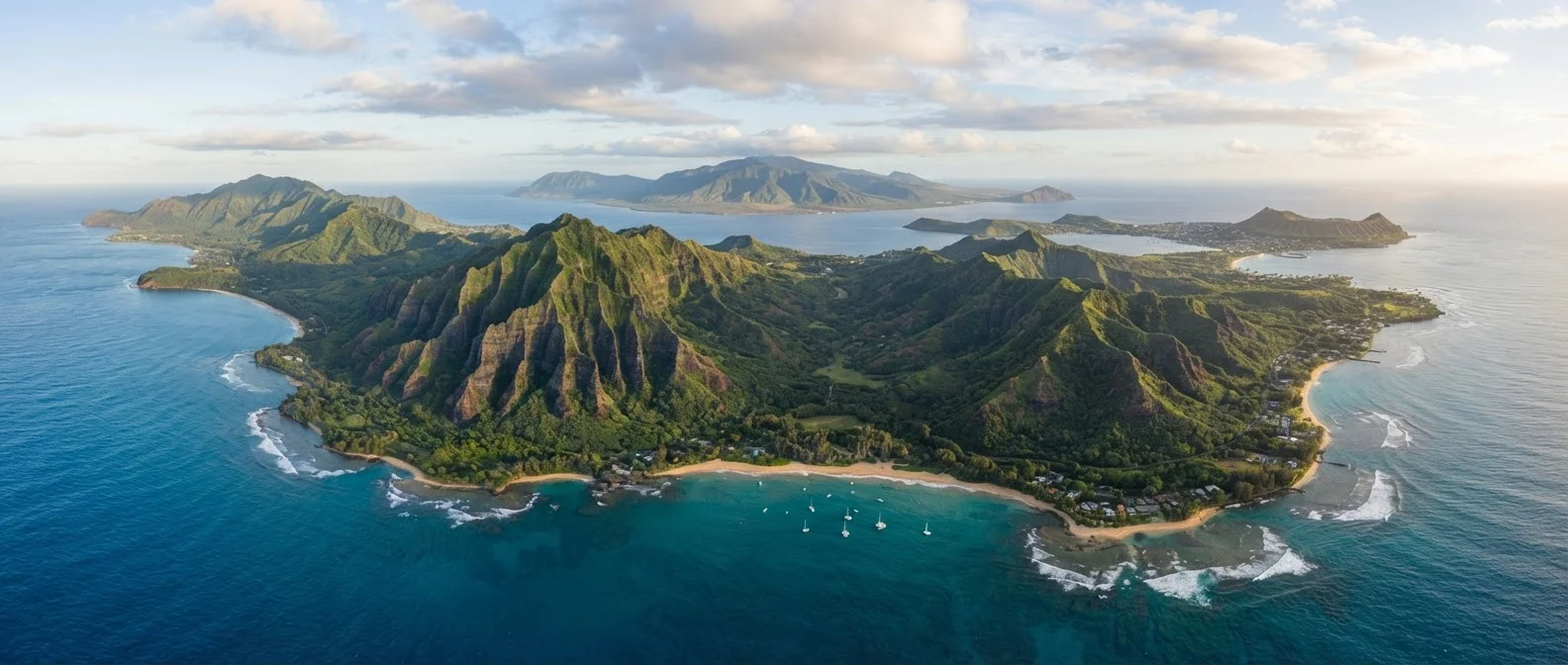
Photo credit: SyndicateExpert.com | Information At The Ready
In this article
Oahu, Maui, Kauai, and the Big Island each draw a different kind of traveler. Here's what sets them apart beyond the postcard version.
Key Takeaways
- Oahu blends world-famous beaches with urban energy and deep historical significance.
- Maui offers diverse landscapes — from lush rainforests to arid desert — and draws a wide range of travelers.
- Kauai is the quietest and most rugged of the main islands, suited for serious nature seekers.
- The Big Island is the largest and youngest, with active volcanoes, stargazing, and stark contrasts in climate.
- Choosing the right island depends on your travel style, not just your budget or travel dates.
Why Picking the Right Island Actually Matters
Most Americans picture Hawaii as one dreamy blur of palm trees and luaus. In reality, the main islands — Oahu, Maui, Kauai, and the Big Island — are as distinct from one another as Portland is from Miami. They differ in terrain, pace, infrastructure, and even climate zone by zone. Choosing between them without doing your homework is like booking a road trip without checking whether your destination has roads.
Hawaii also carries real weight as a place, not just a backdrop for vacation photos. Overtourism has shaped several of these islands differently, with Maui in particular grappling with the pressures that come with mass popularity. Understanding what each island actually offers — and what it asks of you as a visitor — makes for a smarter, more rewarding trip.
Oahu: History, Hustle, and Iconic Shorelines
Oahu is home to about 70% of Hawaii's population, and that density is felt the moment you land. Honolulu is a genuine city with traffic, a thriving restaurant scene, and a cultural depth that goes well beyond souvenir shops. Waikiki delivers the classic beach experience, but if you push past it — to the North Shore's legendary surf breaks or the windward coast's quiet coves — a completely different island emerges.
Pearl Harbor and the Bishop Museum give Oahu a historical and cultural gravity the other islands don't match. For first-time Hawaii visitors, Oahu's infrastructure (more lodging options, better public transit, a larger airport) tends to ease the learning curve. The tradeoff is crowds, particularly along Waikiki and around Diamond Head.
| Oahu | Maui | Kauai | Big Island | |
|---|---|---|---|---|
| Overall pace | Urban and busy | Moderate, resort-focused | Slow, nature-forward | Spacious, self-directed |
| Best known for | Waikiki, Pearl Harbor | Haleakala, Road to Hana | Na Pali Coast, Waimea Canyon | Active volcanoes, climate diversity |
| Ideal traveler | First-timers, city lovers | Couples, foodies, divers | Hikers, wildlife seekers | Adventure and science enthusiasts |
| Development level | High — full city infrastructure | High in resort zones | Low — intentionally limited | Varies widely by region |
| Crowd levels | Very high, especially Waikiki | High in peak season | Lower than Oahu/Maui | Moderate, spread across large area |
| Unique draw | Historical and cultural depth | Dramatic landscape variety | Preserved, rugged wilderness | Active lava, stargazing |
Maui: The Island of Contrasts
Maui's appeal lies in its dramatic range. Drive from the whale-watching coast of Kaanapali to the summit of Haleakala — a dormant volcano rising above the clouds — and you've crossed from sea level to nearly 10,000 feet in under two hours. The Road to Hana threads through some of the most lush, waterfall-dense scenery in the Pacific. Meanwhile, the dry, red-rock landscape of the southwest bears almost no resemblance to the green interior.
Maui tends to attract a mix: honeymooners, snorkeling enthusiasts, and foodies who've heard about its farm-to-table restaurant scene. It is, by some measures, the most touristed of the neighbor islands, and that's worth factoring in when planning. Visiting with intention and supporting local communities thoughtfully matters here.
Kauai: The Garden Isle's Quiet Power
Kauai earns its nickname. The Na Pali Coast — a series of fluted, emerald sea cliffs accessible only by trail, boat, or helicopter — is one of the most visually striking places in the United States. Waimea Canyon, dubbed the "Grand Canyon of the Pacific," cuts deep into the island's interior with views that stop seasoned travelers cold.
Kauai is deliberately less developed than its neighbors. There are no buildings taller than a coconut palm in most parts of the island, a rule locals have fought to preserve. That translates to fewer resort corridors, fewer chain restaurants, and a pace that rewards slow exploration. If your idea of a great trip involves hiking through a rainforest before breakfast and watching sea turtles at dusk, Kauai is your island. Just know that some areas are genuinely remote and require planning. For travelers who love matching their personality to a destination, thinking through your traveler type first is always worthwhile.
The Big Island: Scale, Science, and Stark Beauty
Hawaii Island — called the Big Island to avoid confusion with the state — is nearly twice the size of all the other Hawaiian islands combined. It contains 11 of Earth's 14 climate zones, meaning you can stand in a tropical rainforest and drive an hour to what feels like a lunar desert. Hawaii Volcanoes National Park hosts two of the world's most active volcanoes, and the opportunity to witness new land forming is unlike anything available at most travel destinations.
The Mauna Kea summit, when accessible and with proper preparation for altitude, offers some of the clearest stargazing on the planet. The island's coffee-growing Kona Coast, its black sand beaches, and its manta ray night snorkeling round out an experience that defies a single category. The Big Island rewards travelers who are comfortable with scale and are willing to drive — distances between sights are real, and the island is not built for casual strolling between attractions.
Travel conditions, accessibility, and entry requirements can change. Always verify current information with official Hawaii state sources and relevant agencies before traveling.

Author
Travel & Trips Editorial Team
Travel & Trips Editorial Team is the collective byline for our editorial team and contributor network. Articles published under this byline or an editorial pen name are researched, written, and reviewed according to our editorial standards for clarity, consistency, and independence before publication.
View all articles →