
Before You Book a Safari: The Questions Most Travelers Don't Think to Ask
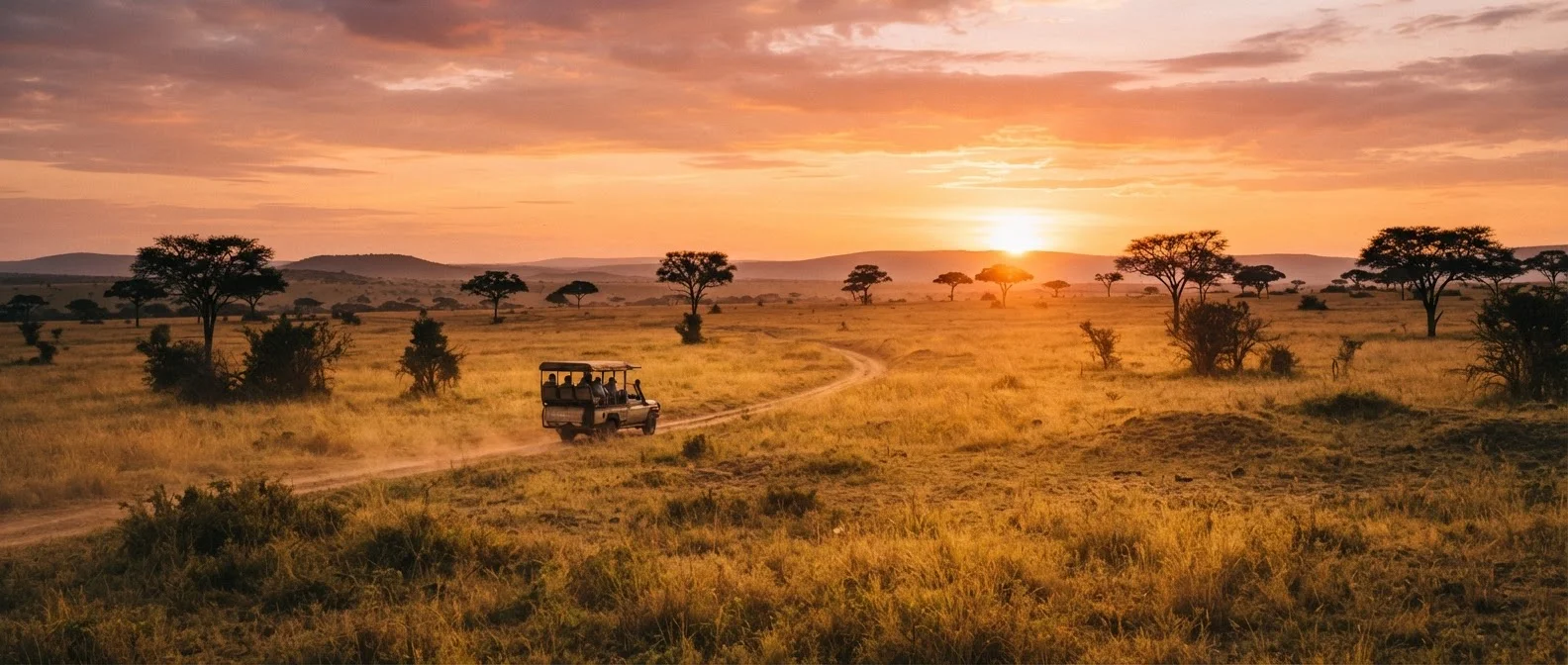
Photo credit: SyndicateExpert.com | Information At The Ready
In this article
East Africa vs. Southern Africa, dry season timing, lodge vs. camp—what to understand before committing to a safari itinerary.
Key Takeaways
- Choosing between East Africa and Southern Africa depends on your wildlife priorities and travel style, not just budget.
- Dry season generally offers better wildlife viewing, but shoulder seasons can be rewarding and less crowded.
- Lodge vs. mobile camp is a meaningful decision that affects comfort, access, and overall safari character.
- Asking operators the right questions upfront protects your investment and shapes your entire experience.
- Verifying health, visa, and entry requirements before booking is non-negotiable — conditions change.
Why Most Safari Research Misses the Mark
Most Americans approach a safari the same way they plan a beach vacation: browse a few photos, compare prices, and book what looks good. But a safari is a fundamentally different kind of trip — one where a handful of overlooked questions early in planning can mean the difference between a transformative experience and an expensive disappointment.
The checklist below isn't about logistics you'll find on any booking page. It's about the deeper questions that shape every decision after it. Work through these before you commit to a single itinerary, and you'll book with genuine confidence. For a broader pre-booking foundation, our pre-trip research checklist covers entry requirements, advisories, and health essentials worth reviewing first.
Destination Decision
Timing and Seasons
Accommodation Type
Operator and Guide Questions
Health, Safety, and Entry Requirements
Budget Reality Check
Tools Worth Having in Your Research Kit
Good safari research doesn't require expensive consultants — but it does require the right sources. Here are the tools that help you ask smarter questions and verify what operators tell you.
Official Government Travel Advisory Portal
Verify current safety advisories, entry requirements, and health notices for each country on your itinerary — use your own government's official portal, not third-party summaries.
Travel Medicine Clinic
Get personalized, professional guidance on vaccinations, malaria prevention, and destination-specific health risks well before your departure date.
Safari-Specialist Forums and Verified Review Communities
Read unfiltered recent accounts from travelers who have visited your target parks and lodges — useful for ground-truth on wildlife conditions and operator quality.
Detailed Topographic or Park Maps
Understand the geographic layout of parks and concessions to evaluate whether lodge locations give you meaningful access to prime wildlife areas.
Travel Insurance Comparison Resources
Compare policy terms — particularly emergency medical evacuation coverage — before purchasing, as standard policies frequently exclude remote-area evacuations.
Timing your booking is its own puzzle. We break down the honest trade-offs in how far in advance you should actually book. And if you're comparing operators across aggregator sites, understand what those platforms leave out — our guide on what travel booking platforms actually show you fills in the gaps. Families planning to bring children should also consult traveling with kids: the planning decisions that matter most before finalizing any itinerary.
Verbal Inclusions Don't Protect You
If an operator tells you park fees, internal flights, or activities are included, get it in writing before paying any deposit. Disputes about what was promised are among the most common — and costly — safari travel complaints. A signed itinerary with itemized inclusions is your best protection.
Yellow Fever Certificates: Don't Assume
Several East and Southern African countries require proof of yellow fever vaccination for entry — sometimes regardless of which country you're arriving from. Requirements also vary by transit country. Verify current rules with official government and embassy sources, and consult a travel medicine provider to confirm your vaccination timeline.
Timing, Seasons, and What You're Actually Trading Off
The dry season (roughly June–October in East Africa, May–October in Southern Africa) is often called the best time to go because wildlife concentrates around water sources and vegetation is sparse enough for clear sightlines. That logic is sound — but dry-season travel also means peak prices and, at famous parks, more vehicles at popular sightings.
Shoulder seasons offer a compelling counterpoint: lower rates, thinner crowds, and in some regions, dramatic landscapes transformed by rain. The green season in parts of Tanzania, for instance, brings migratory birds and newborn animals — a very different but equally memorable experience. Understanding peak vs. off-season trade-offs in depth will help you decide which matters most to you. Verify current conditions and any travel advisories with your government's official travel portal before finalizing dates — conditions on the ground can shift with little notice.
This article provides general travel information and education. Visa requirements, health entry rules, and safety advisories change frequently — always verify current conditions with official government sources and your healthcare provider well in advance of travel.

Author
Travel & Trips Editorial Team
Travel & Trips Editorial Team is the collective byline for our editorial team and contributor network. Articles published under this byline or an editorial pen name are researched, written, and reviewed according to our editorial standards for clarity, consistency, and independence before publication.
View all articles →