
Mexico City as a Destination: A Clearer Picture for the Cautious Traveler
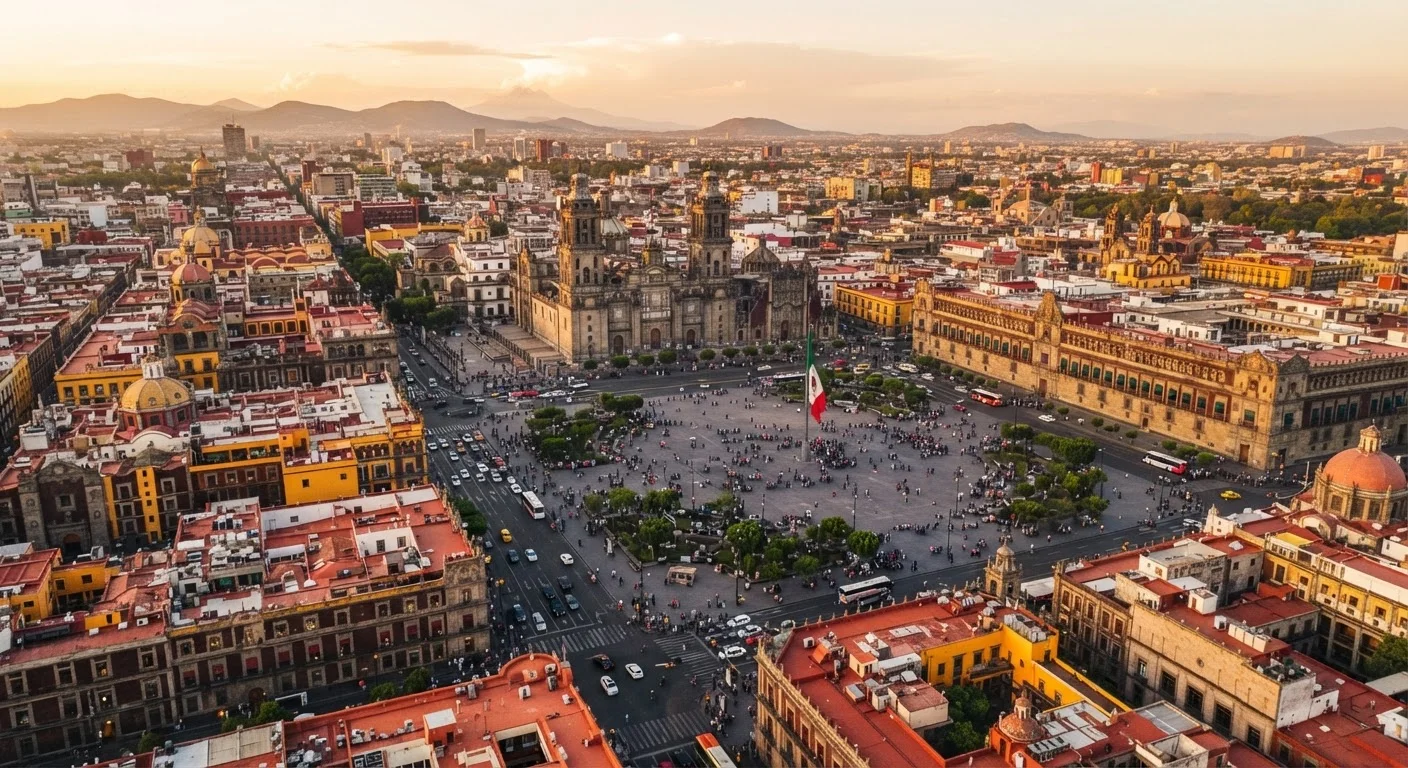
Photo credit: SyndicateExpert.com | Information At The Ready
In this article
Safety concerns, culinary depth, world-class museums, and sprawling neighborhoods—an honest look at what Mexico City is actually like to visit.
Key Takeaways
- Mexico City is a sprawling, complex metropolis with world-class culture, food, and history worth experiencing.
- Safety concerns are real but highly neighborhood-specific — research and awareness matter enormously.
- Altitude sickness is a genuine consideration; the city sits at roughly 7,350 feet above sea level.
- Public transit, walkable colonias, and affordable food make it accessible for budget-conscious travelers.
- Dry season (roughly November through April) offers the most comfortable and crowd-friendly visiting conditions.
World-class museums and archaeological sites
The Museo Nacional de Antropología alone could occupy a full day, and Teotihuacán — the ancient pyramid complex — is a straightforward day trip from the city. Few destinations pack this much history into a single metropolitan area.
Extraordinary culinary depth at every price point
From James Beard-recognized fine dining to generations-old market stalls, Mexico City's food scene is genuinely among the most celebrated on the planet. Regional cuisines from across Mexico converge here.
Short flights and minimal time-zone disruption from the U.S.
Direct flights from major U.S. hubs often run under four hours, and the city shares or closely matches Central Time, making it one of the most logistically accessible international destinations for Americans.
Exceptional value relative to comparable world cities
Museum admissions, transit, food, and accommodation all run significantly cheaper than in comparable European or Asian cities, allowing travelers to experience high-quality culture without high-budget travel.
Diverse, walkable neighborhoods with distinct personalities
Roma, Condesa, Coyoacán, and Polanco each offer unique architecture, dining, and atmosphere — the city rewards slow exploration on foot within individual colonias.
Altitude causes real physical effects on arrival
At roughly 7,350 feet, Mexico City sits well above what most U.S. visitors are accustomed to. Headaches, fatigue, and breathlessness are common for the first one to two days and can dampen early itinerary plans.
Air quality is inconsistent and sometimes poor
Thermal inversions, vehicle emissions, and seasonal dry conditions can produce smoggy days that are uncomfortable for sensitive lungs. Checking the daily environmental index before heavy outdoor activities is advisable.
Petty crime and tourist-targeted theft are documented risks
Phone snatching, pickpocketing in crowded transit, and opportunistic theft occur, particularly in busier tourist areas. Vigilance with valuables and avoiding conspicuous displays of expensive gear reduces risk substantially.
Neighborhood safety varies dramatically across the city
Some colonias are extremely safe and heavily visited; others carry genuine risk. Travelers who don't research which areas to avoid and which are well-established tourist zones face unnecessary exposure.
Seismic activity is a routine reality
Mexico City sits in a seismically active zone and experiences earthquakes with some regularity. While daily life continues normally, the risk is real and worth knowing about before traveling.
What Kind of City Are You Actually Visiting?
Mexico City — officially Ciudad de México, or CDMX — is a place that tends to be misrepresented in both directions. Media coverage often fixates on danger, while travel influencers sometimes scrub out the genuine complications. Neither picture is useful.
With a metropolitan population approaching 22 million, CDMX is one of the largest cities in the Western Hemisphere and one of the most culturally dense. It contains more than 150 museums, a UNESCO World Heritage historic center built atop the ruins of the Aztec capital Tenochtitlán, and a food scene that earned the city a reputation as a global culinary destination long before that became a cliché. It also has stark economic inequality, significant air pollution on certain days, and a seismic risk that locals simply live with.
Understanding all of that upfront is the clearest favor you can do yourself before booking flights.
World-class museums and archaeological sites
The Museo Nacional de Antropología alone could occupy a full day, and Teotihuacán — the ancient pyramid complex — is a straightforward day trip from the city. Few destinations pack this much history into a single metropolitan area.
Extraordinary culinary depth at every price point
From James Beard-recognized fine dining to generations-old market stalls, Mexico City's food scene is genuinely among the most celebrated on the planet. Regional cuisines from across Mexico converge here.
Short flights and minimal time-zone disruption from the U.S.
Direct flights from major U.S. hubs often run under four hours, and the city shares or closely matches Central Time, making it one of the most logistically accessible international destinations for Americans.
Exceptional value relative to comparable world cities
Museum admissions, transit, food, and accommodation all run significantly cheaper than in comparable European or Asian cities, allowing travelers to experience high-quality culture without high-budget travel.
Diverse, walkable neighborhoods with distinct personalities
Roma, Condesa, Coyoacán, and Polanco each offer unique architecture, dining, and atmosphere — the city rewards slow exploration on foot within individual colonias.
The Real Advantages of Choosing Mexico City
Mexico City's greatest strength is its sheer variety. Neighborhoods called colonias each feel like distinct cities — Roma Norte's leafy streets and gallery scene, Coyoacán's cobblestone village atmosphere, Polanco's upscale dining, and the ancient ruins at Tlatelolco all exist within the same transit network. A week here barely scratches the surface.
Accessibility from the United States is a practical plus often overlooked. Flights from major American hubs are frequent and comparatively short, and the time zone difference from most of the country is minimal. No jet lag, no language barrier for those with basic Spanish, and a direct cultural exchange that feels genuinely foreign without being logistically overwhelming.
For cost-conscious travelers, the value proposition is difficult to beat. Restaurant meals, museum admissions, and metro rides cost a fraction of what comparable experiences run in European capitals — without sacrificing quality. Street tacos from a well-regarded taqueria can be among the most satisfying meals of your life for under two dollars.
The Honest Disadvantages Worth Planning Around
No destination overview earns trust without an unvarnished look at the downsides.
Altitude causes real physical effects on arrival
At roughly 7,350 feet, Mexico City sits well above what most U.S. visitors are accustomed to. Headaches, fatigue, and breathlessness are common for the first one to two days and can dampen early itinerary plans.
Air quality is inconsistent and sometimes poor
Thermal inversions, vehicle emissions, and seasonal dry conditions can produce smoggy days that are uncomfortable for sensitive lungs. Checking the daily environmental index before heavy outdoor activities is advisable.
Petty crime and tourist-targeted theft are documented risks
Phone snatching, pickpocketing in crowded transit, and opportunistic theft occur, particularly in busier tourist areas. Vigilance with valuables and avoiding conspicuous displays of expensive gear reduces risk substantially.
Neighborhood safety varies dramatically across the city
Some colonias are extremely safe and heavily visited; others carry genuine risk. Travelers who don't research which areas to avoid and which are well-established tourist zones face unnecessary exposure.
Seismic activity is a routine reality
Mexico City sits in a seismically active zone and experiences earthquakes with some regularity. While daily life continues normally, the risk is real and worth knowing about before traveling.
Altitude is the concern most American visitors underestimate. At approximately 7,350 feet above sea level, Mexico City sits higher than Denver. Headaches, fatigue, and shortness of breath are common in the first day or two, especially for those flying in from sea-level cities. Drinking extra water, avoiding alcohol on arrival day, and planning lighter activities for your first 24 hours can ease the transition significantly.
Air quality fluctuates considerably. On high-pollution days — more common in the dry winter months and before seasonal rains clear the air — the smog is visible and can irritate respiratory systems. Checking the city's daily environmental index before outdoor-heavy days is a practical habit worth building.
Safety requires nuance rather than either panic or dismissal. Petty crime, including phone snatching and express kidnapping (a brief, cash-focused crime that has affected tourists in certain areas), is a documented reality. Sticking to well-trafficked colonias, using app-based ride services rather than hailing street taxis, and not displaying expensive electronics conspicuously are the habits most experienced CDMX visitors cite as genuinely useful. The U.S. State Department issues travel advisories by Mexican state; consulting those before travel and verifying current conditions through official sources is strongly recommended.
Timing, Logistics, and Getting Around
The dry season — roughly November through April — is generally considered the most comfortable period for visiting. Skies tend to be clearer, rainfall is infrequent, and the city's outdoor spaces are at their most enjoyable. That said, this overlaps with peak travel periods around the holidays, so expect more company. If the trade-offs of peak season travel matter to your planning, the shoulder months of October or early November can offer a pleasant middle ground.
The Metro is extensive, inexpensive, and functional — and it's how millions of residents move through the city daily. Many tourists stick to app-based rideshares for convenience and added security, particularly at night. Walking is excellent within individual colonias but less practical between distant neighborhoods.
Verify Entry and Safety Conditions Before You Go
Visa requirements, vaccination recommendations, and travel advisories can change. Before traveling to Mexico City, check the U.S. State Department's official travel advisory page and your airline's current entry requirements. Entry rules and local safety conditions are best confirmed through official government sources, not travel blogs or social media posts.
A week is a reasonable minimum for a meaningful visit; ten days allows you to breathe. Don't try to do everything — pick three or four colonias and go deep rather than surface-skimming the whole map.

Author
Travel & Trips Editorial Team
Travel & Trips Editorial Team is the collective byline for our editorial team and contributor network. Articles published under this byline or an editorial pen name are researched, written, and reviewed according to our editorial standards for clarity, consistency, and independence before publication.
View all articles →