
The Real Trade-Offs of Traveling During Peak Season
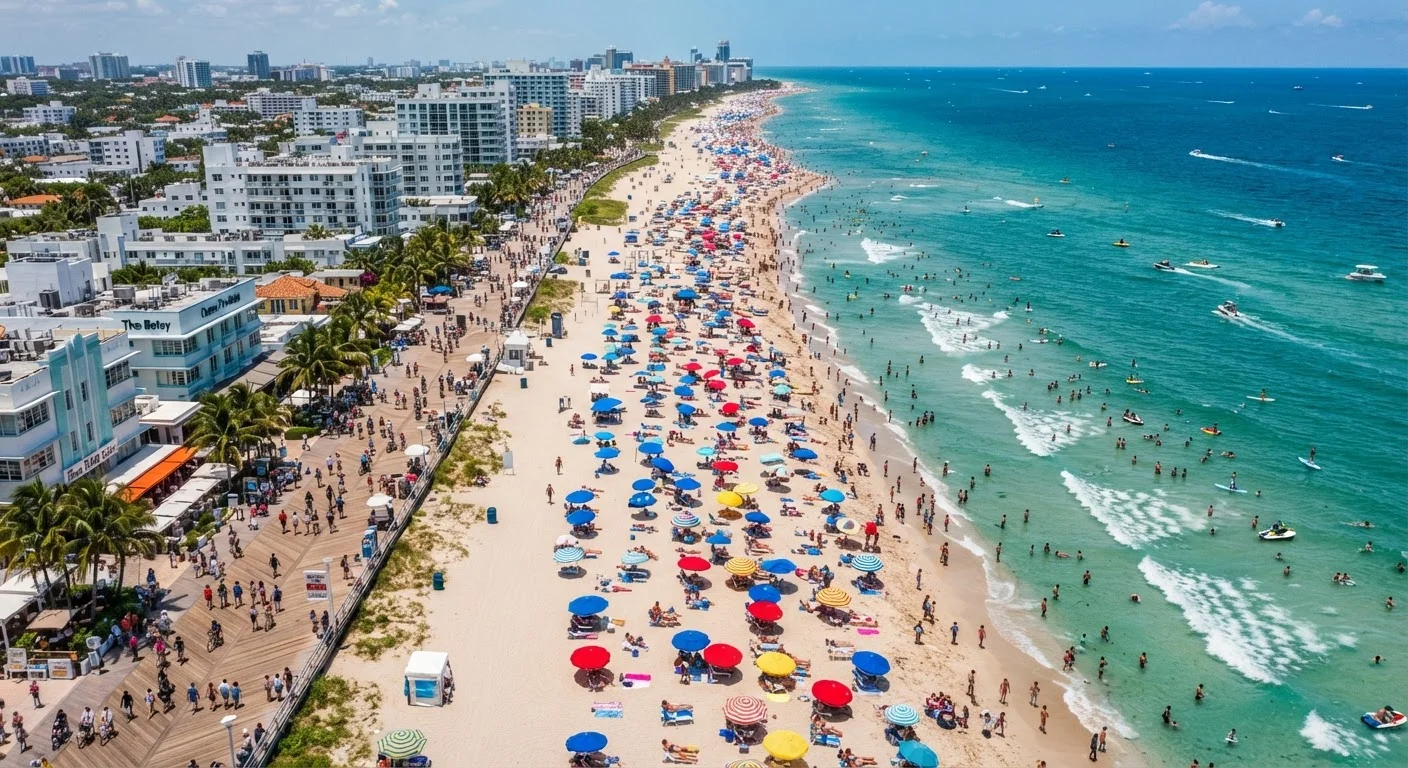
Photo credit: SyndicateExpert.com | Information At The Ready
In this article
Crowds, higher prices, and full attractions on one side — predictable weather, lively atmosphere, and open venues on the other. What peak season travel actually looks like.
Key Takeaways
- Peak season typically means more reliable weather, fully open attractions, and a lively travel atmosphere.
- Expect significantly higher prices for flights, hotels, and tours compared to off-peak periods.
- Advance booking — sometimes months out — is often essential during high-demand travel windows.
- Crowds can reduce the quality of experiences at popular landmarks and natural sites.
- Strategic timing within peak season (weekdays over weekends, early mornings) can ease some downsides.
Reliable, predictable weather conditions
Peak season generally aligns with the most favorable climate for a destination, reducing the risk of weather-related cancellations or poor conditions that can undermine a trip.
All attractions and venues fully operational
Seasonal businesses, guided tours, ferries, and cultural institutions are open and running at full capacity, giving travelers the most complete version of a destination.
Lively, energetic atmosphere
High visitor volume often coincides with local festivals, street markets, and extended business hours that create an animated travel environment unavailable in quieter periods.
More flight and accommodation options
Airlines and hotels expand capacity during peak windows, meaning more route options and room availability — even if prices are higher — versus off-season when choices shrink.
Safer conditions in some environments
In certain destinations — particularly remote outdoor areas — peak season brings staffed ranger stations, open roads, and established services that make the trip safer and more supported.
Significantly higher prices across the board
Flights, hotels, car rentals, and tours all see substantial price increases during peak demand windows, often making the same trip meaningfully more expensive than off-season alternatives.
Crowds degrade the experience at top sites
Iconic landmarks, beaches, and national parks can become so congested during peak season that the experience — long waits, jostling crowds, limited solitude — falls short of expectations.
Advance booking is essential, not optional
Popular accommodations, timed entry passes, tours, and even restaurant reservations require planning months ahead, leaving little room for spontaneous decisions or itinerary changes.
Increased stress and logistical friction
Airport congestion, traffic, overbooked transit, and long queues create a cumulative toll that can make peak travel feel more exhausting than relaxing, particularly for families.
Environmental and community strain
Heavy visitor concentration during peak windows accelerates wear on natural environments and local infrastructure, a pattern that increasingly affects how residents experience their own communities.
What We Mean by Peak Season
Peak season isn't a single fixed window — it shifts by destination, climate zone, and traveler demand. For beach destinations in the US, it typically clusters around summer (June through August). Mountain towns often peak in winter for skiing or summer for hiking. International cities like Paris or Rome hit their high point from late spring through August when American and European tourists travel simultaneously.
Understanding the local definition of "peak" is the first move. A destination that's jammed in July may be perfectly manageable in early June. Before locking in any trip, consult our pre-trip research checklist to map out seasonal conditions, entry requirements, and local considerations specific to where you're headed.
The Upsides: Why Peak Season Has Real Appeal
There's a reason millions of travelers choose the most popular windows — the advantages are concrete, not just marketing hype.
Reliable, predictable weather conditions
Peak season generally aligns with the most favorable climate for a destination, reducing the risk of weather-related cancellations or poor conditions that can undermine a trip.
All attractions and venues fully operational
Seasonal businesses, guided tours, ferries, and cultural institutions are open and running at full capacity, giving travelers the most complete version of a destination.
Lively, energetic atmosphere
High visitor volume often coincides with local festivals, street markets, and extended business hours that create an animated travel environment unavailable in quieter periods.
More flight and accommodation options
Airlines and hotels expand capacity during peak windows, meaning more route options and room availability — even if prices are higher — versus off-season when choices shrink.
Safer conditions in some environments
In certain destinations — particularly remote outdoor areas — peak season brings staffed ranger stations, open roads, and established services that make the trip safer and more supported.
Full operational status matters more than many travelers anticipate. Smaller museums, seasonal ferry routes, backcountry lodges, and guided tours often only operate during peak windows. Showing up in shoulder or off-season can mean confronting locked doors. For destinations like coastal Maine, the off-season closes more than you'd expect.
The social atmosphere during peak season can also be part of the draw — street festivals, seasonal menus, and a critical mass of visitors who create a lively backdrop that simply doesn't exist when a place is quiet.
The Downsides: What Peak Season Actually Costs You
The disadvantages of peak travel aren't just inconveniences — some of them fundamentally reshape the experience you paid for.
Significantly higher prices across the board
Flights, hotels, car rentals, and tours all see substantial price increases during peak demand windows, often making the same trip meaningfully more expensive than off-season alternatives.
Crowds degrade the experience at top sites
Iconic landmarks, beaches, and national parks can become so congested during peak season that the experience — long waits, jostling crowds, limited solitude — falls short of expectations.
Advance booking is essential, not optional
Popular accommodations, timed entry passes, tours, and even restaurant reservations require planning months ahead, leaving little room for spontaneous decisions or itinerary changes.
Increased stress and logistical friction
Airport congestion, traffic, overbooked transit, and long queues create a cumulative toll that can make peak travel feel more exhausting than relaxing, particularly for families.
Environmental and community strain
Heavy visitor concentration during peak windows accelerates wear on natural environments and local infrastructure, a pattern that increasingly affects how residents experience their own communities.
40–80%
Typical price premium during peak season
Travel industry pricing analyses consistently show flights and hotels can cost 40–80% more during peak demand windows compared to shoulder-season equivalents.
Top 10%
Destinations absorbing most global tourist traffic
Research from the UN World Tourism Organization indicates a small fraction of destinations absorb a disproportionate share of global visitor volume, intensifying peak-season crowding at well-known sites.
Overcrowding at iconic sites is a growing concern beyond mere inconvenience. The phenomenon has a name: overtourism. Overtourism reshapes the experience at places like Maui, Sedona, and Venice in ways that can feel disappointing when you've spent significant money to get there.
Budget pressure is equally real. Flight and accommodation prices during peak windows can run 40–80% higher than the same trip taken weeks earlier or later, according to travel industry pricing analyses. That premium adds up fast for families or longer trips.
Strategies That Help Even During Peak Season
Knowing the trade-offs doesn't mean you have to accept them passively. Several practical moves can soften the roughest edges of peak travel.
- Book early and specifically. Vague plans collapse under peak-season demand. Confirm accommodations, timed entry passes for major attractions, and popular restaurant reservations months in advance — not weeks.
- Shift your internal timing. Visit headline attractions on weekday mornings at opening time. Crowds at places like national parks or major museums thin noticeably before 9 a.m. and after 4 p.m.
- Go deeper, not wider. Rather than checking off a list of crowded highlights, consider spending more time in fewer places. This approach reduces transit stress and often uncovers quieter neighborhoods that escape peak-season gridlock.
- Explore adjacent destinations. If your target city is at capacity, a nearby town with easier access and lower prices can offer a comparable experience. Our destinations hub surfaces alternatives across travel styles and regions.
Peak Season Varies by Destination
What counts as "peak" differs significantly by location and traveler origin. A coastal town in Maine peaks in July and August; a ski resort in Colorado peaks in January through March; a tropical destination may peak during a northern hemisphere winter when Americans are escaping cold weather. Always research the specific destination's demand calendar — not just general summer or holiday assumptions — before drawing conclusions about timing. Verifying current conditions through official tourism boards and government travel advisories is always worthwhile before finalizing plans.
For a direct comparison of what you gain and give up across the full timing spectrum, see our breakdown of peak season vs. off-season trade-offs. The right window depends on what you value most — and honest planning starts with understanding both sides.

Author
Travel & Trips Editorial Team
Travel & Trips Editorial Team is the collective byline for our editorial team and contributor network. Articles published under this byline or an editorial pen name are researched, written, and reviewed according to our editorial standards for clarity, consistency, and independence before publication.
View all articles →