
Coastal Maine in the Off-Season: What Closes, What Stays Open, and Why It's Worth It
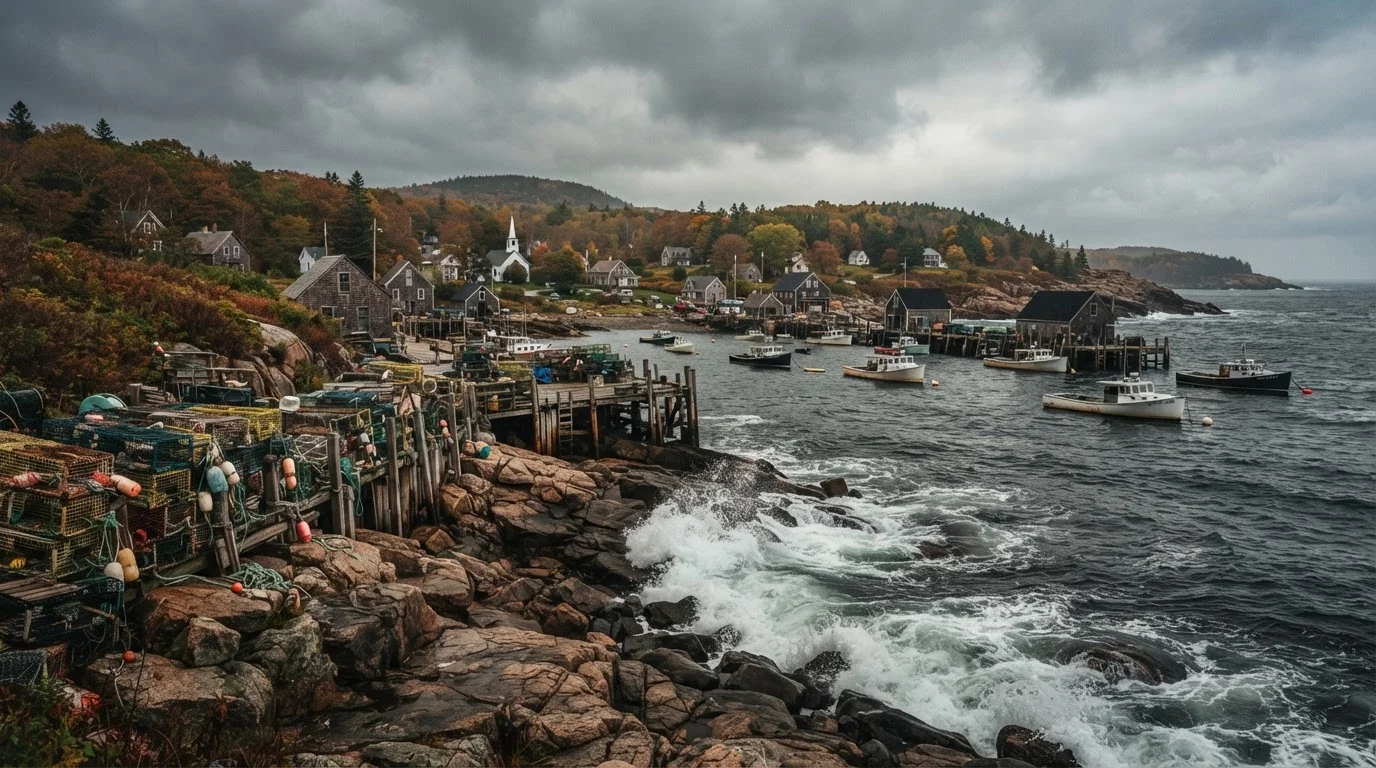
Photo credit: SyndicateExpert.com | Information At The Ready
In this article
September through May, Maine's coast transforms. Fewer crowds, lower prices, and a quieter charm—but knowing what shuts down matters.
Key Takeaways
- Many shops, restaurants, and attractions in coastal Maine close or cut hours from mid-October through May.
- Off-season travelers can expect significantly lower lodging rates and uncrowded attractions.
- Iconic spots like Acadia National Park remain accessible year-round, though some services are limited.
- Winter storms and cold temperatures require solid preparation and flexible itineraries.
- The off-season reveals a slower, more authentic side of Maine's coastal communities.
Dramatically lower lodging rates across the region
Many inns and hotels that charge premium summer rates drop prices substantially from October onward. Travelers can often access properties that would otherwise stretch their budget.
Crowds essentially disappear from popular sites
Acadia's carriage roads, the rocky shores of Pemaquid Point, and Portland's Old Port become genuinely uncrowded. You can linger, photograph, and simply breathe without navigating tour groups.
Foliage and winter scenery are visually stunning
October foliage along the coast and into the inland hills rivals anything in Vermont or New Hampshire. Winter storms create dramatic ice-on-granite seascapes that are unlike anything summer offers.
Authentic interaction with year-round locals
With tourists gone, you're eating at the same diners and browsing the same markets as lobstermen, fishermen, and working artists—a side of Maine most summer visitors never encounter.
Wildlife viewing shifts to less-crowded opportunities
Migrating birds concentrate along the coast in fall, and winter harbor seals are commonly spotted on rocky ledges without any summer competition for viewing spots.
Many restaurants, shops, and tours close entirely
Seasonal closures are widespread and sometimes total in smaller towns. Expecting a full summer-equivalent experience will lead to frustration.
Weather can disrupt plans with little warning
Nor'easters, coastal fog, and ice storms are real factors from November through April. Road and trail conditions can shift quickly, requiring flexible itineraries and reliable transportation.
Shorter daylight hours limit activity windows
By December, usable daylight on the Maine coast can fall to around eight hours. If you're planning hikes, coastal drives, or photography, timing requires more deliberate planning than in summer.
Some iconic experiences simply aren't available
Lobster boat tours, whale-watching excursions, and ferry service to islands like Monhegan are seasonal and typically unavailable after October. These aren't closures that flexibility can work around.
Reduced transit and ferry options to islands
Year-round ferry service exists to a handful of inhabited islands, but schedules thin considerably in winter and can be suspended during severe weather, limiting island exploration.
What the Off-Season Actually Looks Like in Coastal Maine
Maine's tourist calendar runs hard from late June through Labor Day, and the coast knows it. Bar Harbor, Kennebunkport, Camden, and Rockland hum with visitors all summer—ferry lines, lobster roll queues, and gallery-hopping crowds fill every sidewalk. Then, gradually, the lights go out.
From mid-October onward, a rolling shutdown begins. Many seasonal restaurants post their final service date by Columbus Day weekend. Whale-watching and puffin tour operators wrap up by early October at the latest. Boutique shops in tourist districts often close entirely until Memorial Day. In smaller villages, that can mean only a general store, a hardware shop, and a diner remain open through the winter months.
This isn't uniform, though. Portland—Maine's largest city and a year-round hub—keeps its acclaimed restaurant scene, museums, and Old Port neighborhood active through every season. Acadia National Park on Mount Desert Island remains open, though the Park Loop Road closes to vehicles in sections during winter, and the visitor center runs reduced hours. Some inns and B&Bs specifically market themselves to off-season guests, offering reduced rates and woodstove ambiance. The key is doing your research well before you go, since conditions can vary dramatically from one town to the next.
The Honest Pros of Visiting Out of Season
For travelers willing to trade the full summer menu for a quieter experience, the rewards are real and plentiful.
Dramatically lower lodging rates across the region
Many inns and hotels that charge premium summer rates drop prices substantially from October onward. Travelers can often access properties that would otherwise stretch their budget.
Crowds essentially disappear from popular sites
Acadia's carriage roads, the rocky shores of Pemaquid Point, and Portland's Old Port become genuinely uncrowded. You can linger, photograph, and simply breathe without navigating tour groups.
Foliage and winter scenery are visually stunning
October foliage along the coast and into the inland hills rivals anything in Vermont or New Hampshire. Winter storms create dramatic ice-on-granite seascapes that are unlike anything summer offers.
Authentic interaction with year-round locals
With tourists gone, you're eating at the same diners and browsing the same markets as lobstermen, fishermen, and working artists—a side of Maine most summer visitors never encounter.
Wildlife viewing shifts to less-crowded opportunities
Migrating birds concentrate along the coast in fall, and winter harbor seals are commonly spotted on rocky ledges without any summer competition for viewing spots.
The landscape argument is perhaps the strongest. Coastal Maine in October through November delivers some of the most dramatic scenery on the eastern seaboard—burning foliage against steel-gray ocean, fog rolling through granite-studded coves at dawn. In winter, snowfall quiets the already-empty streets into something that feels almost cinematic. Photography opportunities that would require a 5 a.m. alarm in July become effortlessly available in November.
For a broader look at how shoulder and off-season timing shifts the full travel experience, see this breakdown of peak vs. off-season trade-offs.
The Real Cons You Shouldn't Ignore
Off-season travel in coastal Maine is not simply a cheaper version of summer—it's a fundamentally different trip, and some of those differences are genuine drawbacks.
Many restaurants, shops, and tours close entirely
Seasonal closures are widespread and sometimes total in smaller towns. Expecting a full summer-equivalent experience will lead to frustration.
Weather can disrupt plans with little warning
Nor'easters, coastal fog, and ice storms are real factors from November through April. Road and trail conditions can shift quickly, requiring flexible itineraries and reliable transportation.
Shorter daylight hours limit activity windows
By December, usable daylight on the Maine coast can fall to around eight hours. If you're planning hikes, coastal drives, or photography, timing requires more deliberate planning than in summer.
Some iconic experiences simply aren't available
Lobster boat tours, whale-watching excursions, and ferry service to islands like Monhegan are seasonal and typically unavailable after October. These aren't closures that flexibility can work around.
Reduced transit and ferry options to islands
Year-round ferry service exists to a handful of inhabited islands, but schedules thin considerably in winter and can be suspended during severe weather, limiting island exploration.
Verify Conditions Before You Go
Entry conditions, park road closures, and business hours in coastal Maine change frequently in the off-season and are not always updated promptly online. Check with the National Park Service directly for Acadia conditions, call lodging and restaurants to confirm hours, and monitor the Maine DOT for road conditions during winter travel. Do not rely solely on third-party listing sites, which may reflect outdated summer hours.
If you're comparing seasonal trade-offs at other dramatic destinations, this guide to Iceland across seasons explores a similar set of questions about what each time of year actually delivers.
Planning Tips for a Successful Off-Season Visit
Going in with the right expectations and practical preparation makes all the difference between a frustrating trip and a memorable one.
- Call ahead relentlessly. Even businesses listed as open may have reduced hours or temporary closures. Don't assume—confirm directly before driving two hours to a destination.
- Book lodging early even off-season. The open inventory is much smaller when most accommodations are closed. The inns that do stay open often fill up around foliage weekends in October and holiday weekends in winter.
- Base yourself in or near Portland. It gives you a reliable food and services hub while still allowing day trips to quieter coastal towns without being stranded if a destination is more shuttered than expected.
- Pack for real weather. Coastal Maine winters are genuinely cold and wet. Waterproof layers, grippy footwear for icy docks, and extra warm layers are practical necessities, not optional comfort items.
- Embrace flexibility. An off-season trip rewards wanderers. A closed restaurant might send you into a local diner where you end up talking to lobstermen for an hour—and that's exactly the kind of experience summer crowds make impossible.
Curious how this compares to the other side of the coin? See what peak season travel genuinely looks like before deciding which timing fits your travel style.

Author
Travel & Trips Editorial Team
Travel & Trips Editorial Team is the collective byline for our editorial team and contributor network. Articles published under this byline or an editorial pen name are researched, written, and reviewed according to our editorial standards for clarity, consistency, and independence before publication.
View all articles →