
Smart Ways Travelers Protect Their Money and Cards Abroad
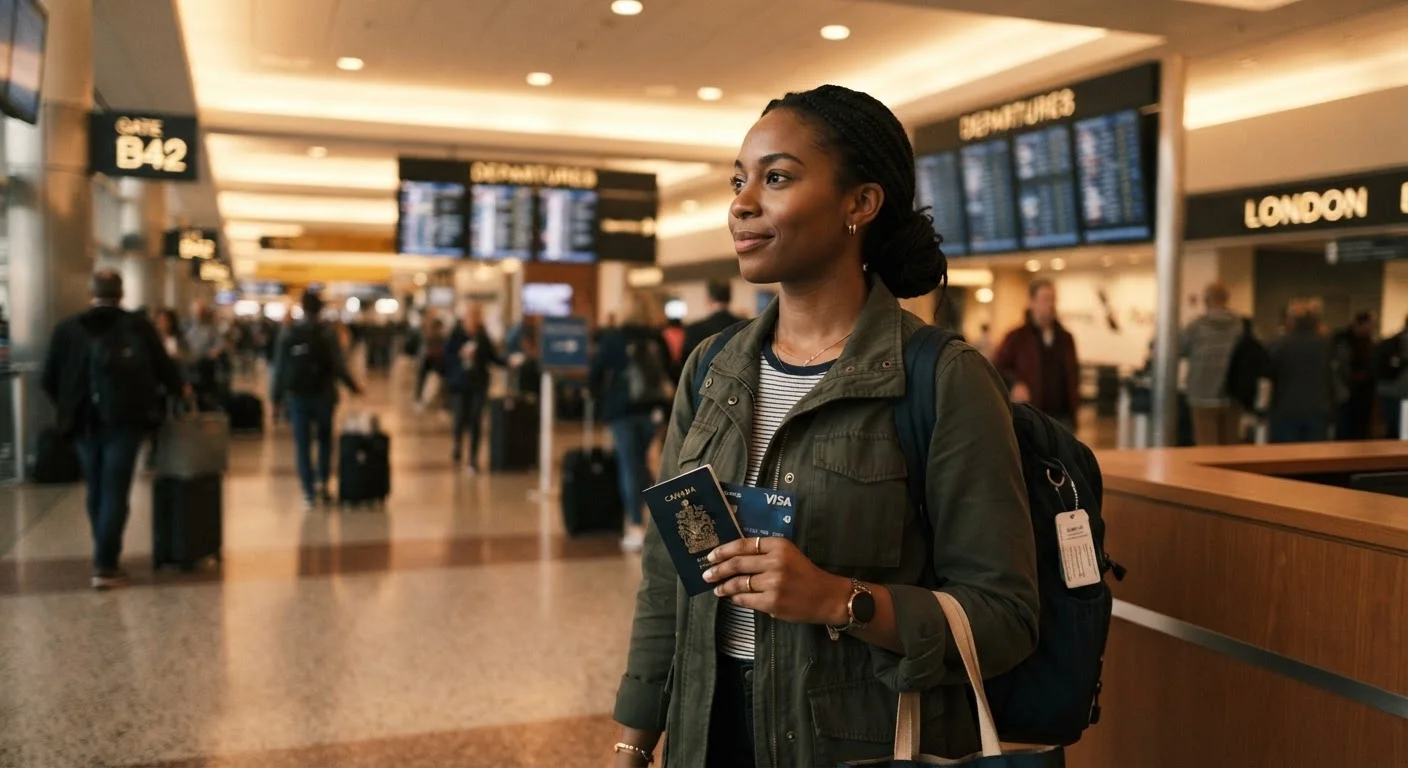
Photo credit: SyndicateExpert.com | Information At The Ready
In this article
Foreign transaction fees, card skimming, and currency exchange traps — practical strategies for keeping your finances secure while traveling internationally.
Key Takeaways
- Notify your bank before departure to prevent fraud blocks on your cards while traveling.
- Card skimming devices at ATMs are a real risk — inspect machines and use bank-branch ATMs when possible.
- Dynamic currency conversion at card terminals often costs more than paying in local currency.
- Carrying a small amount of local cash for emergencies remains wise even in card-friendly destinations.
- Splitting funds across two cards and some cash reduces the impact of any single loss or theft.
- Public Wi-Fi poses real risks when accessing banking apps or entering card details overseas.
Why Financial Security Deserves Its Own Pre-Trip Plan
Most travelers spend hours comparing flight routes and researching restaurants but give financial security only a passing thought. That imbalance can be costly. International trips expose your money to risks that simply don't arise at home — unfamiliar ATM networks, currency exchange traps, card skimming schemes, and digital threats on public networks all cluster around the places tourists spend the most time.
The good news is that none of these risks require sophisticated countermeasures. A handful of deliberate decisions before you leave — and a few careful habits once you arrive — go a long way toward keeping your funds intact. The strategies below are drawn from practical traveler experience and cover the situations most likely to catch people off guard.
For a broader look at how to structure your travel finances before departure, see hidden travel costs most people overlook and the pre-trip checklist every traveler should run through.
Alert your bank and card issuers before you fly
Many banks use automated fraud-detection systems that flag unusual international transactions and freeze accounts without warning. A charge from a café in Lisbon or a train station in Tokyo can look suspicious to an algorithm that knows you normally swipe in suburban Ohio. A freeze at the wrong moment — buying medicine, paying for a taxi, or checking into a hotel — is far more disruptive abroad than it would be at home.
Before departure, contact every card issuer you plan to use and tell them your destination countries and travel dates. Most banks allow this through their app or website now, which takes under two minutes. Also confirm your international customer service number and save it somewhere offline — your phone's notes app works, but a written copy in your luggage is the failsafe option if your device is lost or stolen.
A frozen card abroad is far harder to resolve than one at home — a quick alert prevents the problem entirely.
Carry two separate payment cards, stored separately
Relying on a single card overseas creates a single point of failure. If it's lost, skimmed, or blocked, you may have no immediate backup. Traveling with two cards — ideally from different card networks or issuers — and keeping them in different places (one in your wallet, one secured in your luggage) means losing one doesn't leave you stranded.
Look for cards that don't charge foreign transaction fees; these fees, typically 1–3% per transaction, add up meaningfully over the course of a trip. Check each card's terms before departure. Understanding how credit cards actually function when used abroad is useful context — see what healthy credit card use actually looks like for broader background on card management.
Two cards from different issuers, stored separately, is the simplest and most effective backup plan.
Decline dynamic currency conversion at card terminals
When you pay by card abroad, merchants and ATMs often offer to process the transaction in US dollars rather than local currency — a service called dynamic currency conversion (DCC). It sounds convenient, but the exchange rate applied is typically set by the merchant's payment processor, not your bank, and it's almost always less favorable. The difference can range from a few percentage points to significantly more.
When a terminal asks whether you want to pay in your "home currency" or the local currency, always choose the local currency. Your card issuer will apply its own exchange rate, which is generally more competitive. This one habit, practiced consistently across a trip, can meaningfully reduce what you spend on currency conversion overall.
Always choose local currency at card terminals — dynamic currency conversion rates consistently favor the merchant.
Use ATMs strategically to minimize skimming risk
Card skimming — where a device installed on an ATM captures your card data and PIN — remains a documented threat in many destinations, particularly at standalone machines in tourist-heavy areas. ATMs attached to bank branches, inside hotels, or inside bank lobbies carry lower risk than freestanding machines on busy streets or in convenience stores, partly because they're maintained more closely and partly because tampering is harder to conceal.
Before inserting your card, briefly inspect the card reader for anything that looks loose, misaligned, or overlaid. Shield the keypad with your hand when entering your PIN, even if no one appears to be watching — some skimming setups use a small camera rather than a keypad overlay. Withdraw larger amounts less frequently rather than making many small withdrawals, which reduces your exposure while also cutting per-transaction ATM fees.
Bank-branch ATMs and shielding your PIN entry are two simple habits that meaningfully reduce skimming exposure.
Keep a modest amount of local cash as a genuine backup
Cashless travel is increasingly practical in many destinations, but assuming it will work everywhere is risky. Rural areas, small markets, local transport, and some accommodation types still operate primarily on cash. Power outages, network failures, and card blocks can all render a card temporarily useless at inconvenient moments.
Arriving with a modest amount of local currency — enough to cover a taxi, a meal, and a night's accommodation if needed — provides meaningful security. Exchange currency at an airport bank or licensed exchange bureau rather than at exchange kiosks that post artificially favorable "headline" rates with hidden fees. Research what the approximate mid-market rate should be before you travel so you can recognize a poor deal when you see one. For more detail on where exchange costs can catch you off guard, why travel budgets break down covers exchange rates among other overlooked factors.
Enough local cash to cover a night's emergency expenses is one of the most underrated forms of travel security.
Avoid banking on public Wi-Fi — or use a VPN
Public Wi-Fi networks at airports, cafés, and hotels can be monitored by other users on the same network. Logging into banking apps or entering card details on an unsecured connection exposes that data to potential interception. This risk is real, even if it's less visible than a pickpocket or a skimming device.
If you need to check your bank account or move money while traveling, use your phone's cellular data connection rather than public Wi-Fi. If you routinely rely on public networks, a reputable virtual private network (VPN) encrypts your connection and reduces interception risk considerably. Our guide to keeping your devices secure on public Wi-Fi walks through practical steps in plain language, and evolving scam tactics like phishing and smishing are also worth understanding before you travel.
Your phone's cellular data is nearly always a safer choice than public Wi-Fi for banking while abroad.
Building Habits That Hold Up on the Road
Financial security abroad isn't a single action — it's a set of layered habits that each close a different vulnerability. The travelers who navigate international destinations with the least friction tend to have thought through their card setup, their cash backup, and their digital hygiene before landing, not after something goes wrong.
Take Five Minutes to Document Your Cards
Before you leave home, photograph or write down the card numbers, expiration dates, and international customer service phone numbers for every card you're bringing. Store this information somewhere separate from the cards themselves — a secure cloud note or a locked travel document folder works well. If a card is lost or stolen abroad, you'll have everything you need to report it and request an emergency replacement without scrambling.
If you're concerned about digital risks beyond card security, our guides on staying secure on public Wi-Fi and digital habits that quietly increase your risk cover the online side of travel security in practical detail. Combining smart financial habits with solid device hygiene gives you the strongest overall position when you're far from home.

Author
Travel & Trips Editorial Team
Travel & Trips Editorial Team is the collective byline for our editorial team and contributor network. Articles published under this byline or an editorial pen name are researched, written, and reviewed according to our editorial standards for clarity, consistency, and independence before publication.
View all articles →