
Synthetic vs. Conventional Motor Oil: What the Difference Actually Means for Your Engine
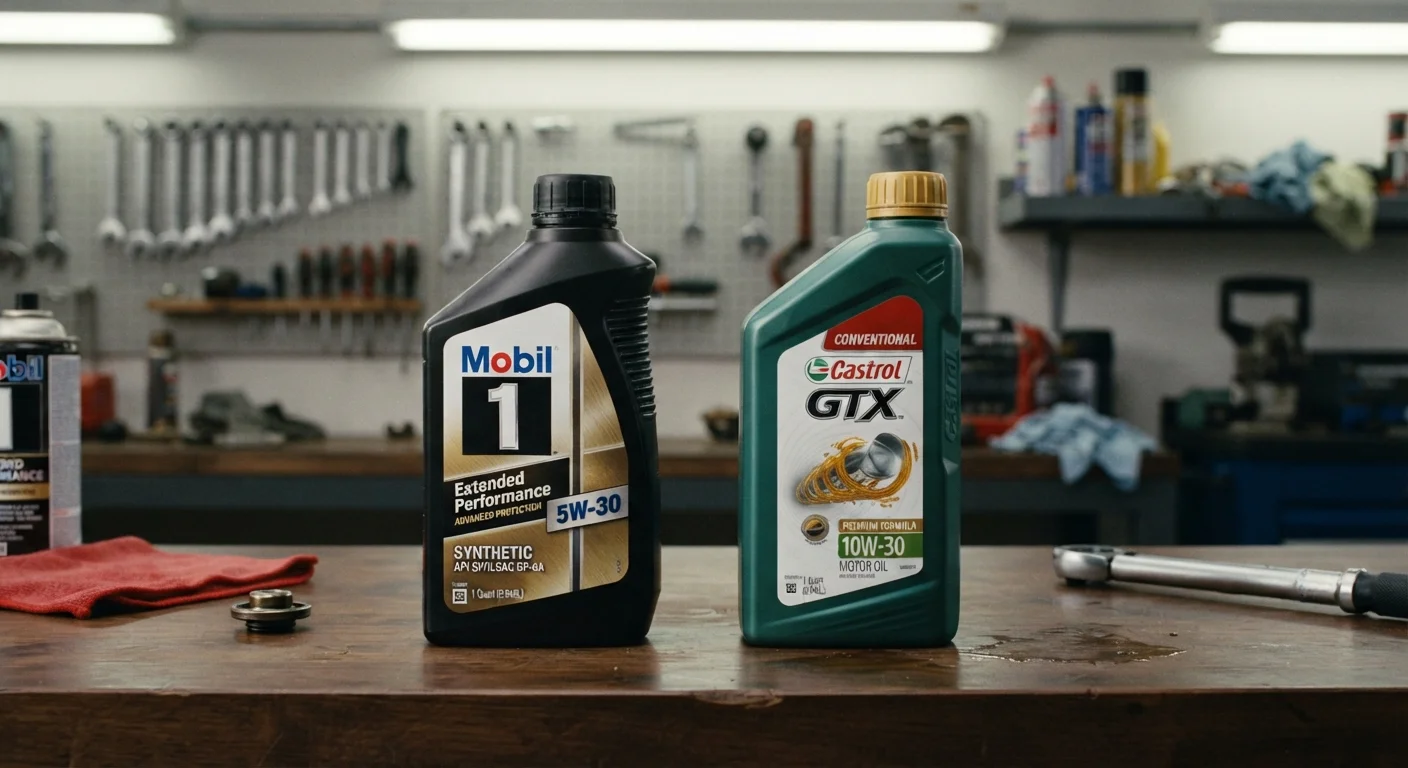
Photo credit: SyndicateExpert.com | Information At The Ready
In this article
Synthetic and conventional oils differ in more than price. Understand the performance, longevity, and compatibility factors before your next oil change.
Key Takeaways
- Synthetic oil is chemically engineered for more uniform molecules, offering better performance at temperature extremes.
- Conventional oil is refined from crude petroleum and works reliably in older, lower-demand engines.
- Synthetics typically allow longer change intervals, though your owner's manual remains the definitive guide.
- Not all engines benefit equally from synthetic oil - compatibility with your vehicle matters.
- Switching from conventional to synthetic in a high-mileage engine may require extra consideration.
How Each Oil Is Made - and Why That Matters
The fundamental difference between synthetic and conventional motor oil is origin. Conventional oil is refined directly from crude petroleum. During refining, impurities are removed, but the resulting molecules remain varied in size and shape. That inconsistency is manageable - but it does affect how the oil behaves under pressure and heat.
Synthetic oil, by contrast, is chemically constructed. Engineers build its molecules to a precise, uniform structure, which gives synthetic oil more predictable behavior across a wider range of operating conditions. It flows more readily in extreme cold, resists breakdown at high temperatures, and maintains its lubricating film more consistently than conventional oil under stress.
A third category - synthetic blend - combines both types. It offers some of synthetic's performance advantages at a cost closer to conventional, making it a common middle-ground option.
| Criterion | Synthetic Oil | Conventional Oil |
|---|---|---|
| Base material | Chemically engineered molecules | Refined from crude petroleum |
| Cold-weather performance | Flows better at low temperatures | Thickens more in cold conditions |
| Heat resistance | Higher resistance to breakdown | More prone to oxidation under heat |
| Typical change interval | Often 7,500-15,000 miles (verify with manual) | Often 3,000-7,500 miles (verify with manual) |
| Best engine fit | Modern, turbocharged, high-demand engines | Older or simpler engine designs |
| Sludge resistance | Significantly higher | Lower under high-heat conditions |
What This Means for Engine Protection
Motor oil's primary job is to create a protective film between metal components that would otherwise grind against each other. Both oil types do this - but synthetic does it more durably under challenging conditions.
In turbocharged engines, oil circulates through components that reach temperatures far higher than those in naturally aspirated engines. Conventional oil can oxidize and break down faster under that heat, leaving behind sludge - a thick residue that clogs oil passages and accelerates engine wear. Synthetic oil's engineered stability makes it significantly more resistant to that breakdown.
In cold climates, the difference is equally meaningful. Conventional oil thickens substantially in low temperatures, which means your engine runs briefly with inadequate lubrication during cold starts. Synthetic oil remains more fluid at low temperatures, reaching critical components faster after startup.
For engines operating in moderate conditions without extreme temperatures or high performance demands, conventional oil can perform its job effectively - provided it's changed at the right intervals. See our guide to modern oil change intervals for a closer look at how schedules have evolved.
Compatibility, High-Mileage Engines, and Making the Switch
One question drivers frequently raise is whether switching from conventional to synthetic is safe - particularly in older or high-mileage vehicles. The short answer: usually yes, but with nuance worth understanding.
Older engines may have seals and gaskets that have adapted over years to conventional oil's specific properties. Some drivers have reported minor leaks after switching, though this is less common with modern seal materials. If your vehicle has over 75,000 miles and has always used conventional oil, it's worth discussing the switch with a qualified mechanic before making the change.
For vehicles still under warranty or built within the last decade, your owner's manual will specify whether synthetic, conventional, or a blend is required or recommended. Manufacturers who specify synthetic do so because their engine tolerances depend on it - using conventional in those engines isn't advisable.
Regardless of which oil you use, the oil change process itself carries its own learning curve. Our honest look at DIY oil changes covers the tradeoffs if you're considering handling it yourself.
Always Follow Your Owner's Manual
Oil type and viscosity recommendations in your owner's manual reflect the specific engineering requirements of your engine - not general averages. Using the wrong specification, even a higher-grade oil, can void warranty coverage or interfere with engine performance. If your manual has been lost, most manufacturers publish this information on their official websites or through dealerships.

Author
Cars & Driving Editorial Team
Cars & Driving Editorial Team is the collective byline for our editorial team and contributor network. Articles published under this byline or an editorial pen name are researched, written, and reviewed according to our editorial standards for clarity, consistency, and independence before publication.
View all articles →