
Distracted Driving Beyond the Phone: The Habits You're Probably Overlooking
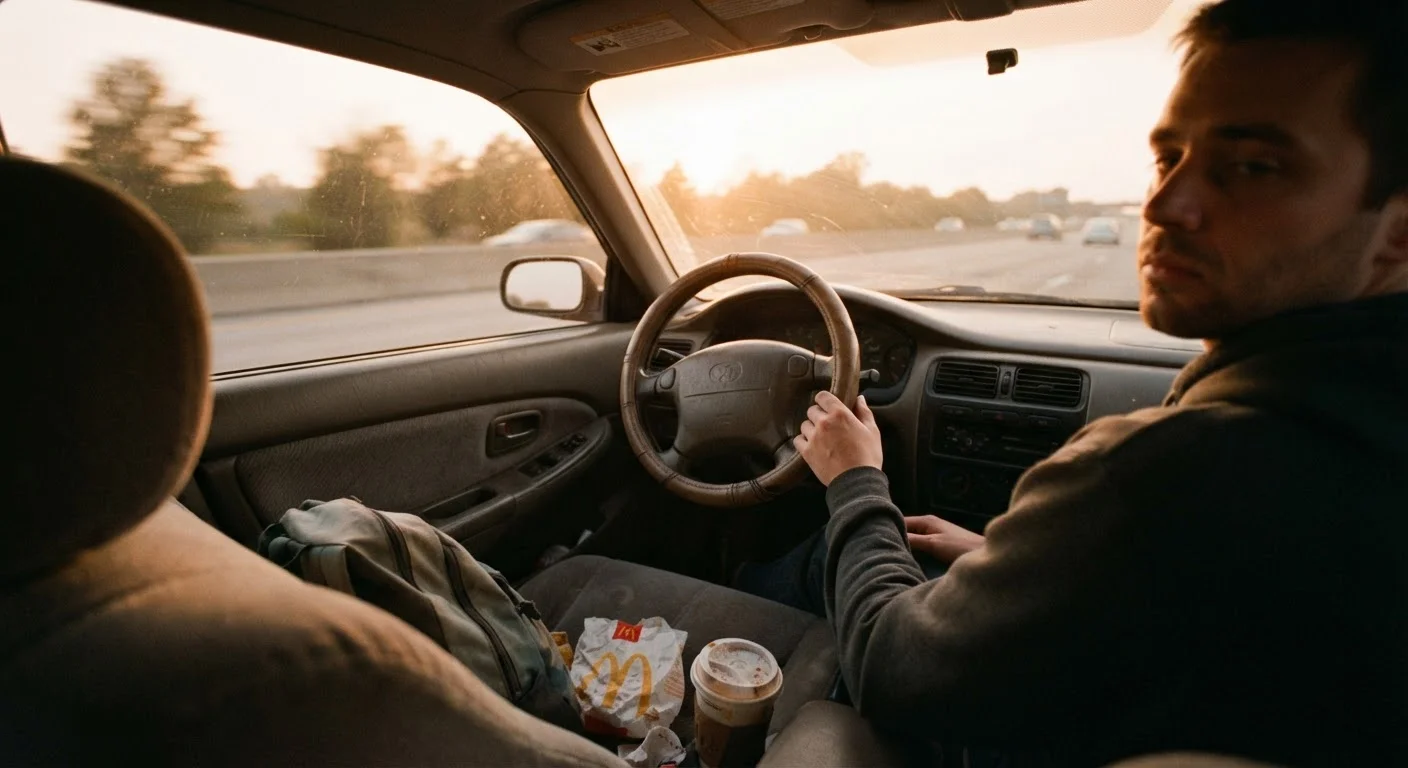
Photo credit: SyndicateExpert.com | Information At The Ready
In this article
Texting gets the headlines, but eating, adjusting music, and daydreaming cause just as many crashes. A look at the full picture of driver distraction.
Key Takeaways
- Distracted driving includes three types: visual, manual, and cognitive — phones aren't the only cause.
- Eating, adjusting controls, daydreaming, and loud passengers are among the most overlooked distractions.
- Even brief mental lapses — a few seconds at highway speed — can cover the length of a football field.
- Most distracting habits can be mitigated with simple pre-trip preparation routines.
- Cognitive distraction is the hardest to self-detect, making it particularly dangerous.
The Distraction Problem Is Bigger Than the Headlines
Ask most drivers what causes distracted driving crashes and they'll say texting. They're not wrong — handheld phone use is a significant and well-documented hazard. But focusing exclusively on phones lets a wide range of equally dangerous habits slide under the radar.
Researchers categorize driver distraction into three types: visual (eyes off the road), manual (hands off the wheel), and cognitive (mind off the task of driving). Texting earns so much attention partly because it hits all three simultaneously. But many everyday habits behind the wheel do the same thing — just without the social stigma or legal consequences attached to phone use.
At 65 mph, taking your eyes off the road for just five seconds means traveling roughly the length of a football field without looking. That number applies whether you're reading a text or unwrapping a breakfast sandwich. The road doesn't distinguish between distractions. For a broader look at how mental and environmental factors compound risk, see our piece on defensive driving mindset.
Eating and Drinking at the Wheel
Drive-throughs exist precisely because Americans eat in their cars — a lot. But handling food while driving combines manual distraction (one hand off the wheel), visual distraction (glancing at your food), and sometimes cognitive distraction (focusing on not spilling). Liquids are especially problematic: a hot coffee spill doesn't just distract you, it can cause a panicked, involuntary reaction that's difficult to control at speed.
The practical fix is straightforward: pull into a parking spot to eat, or finish your meal before departing. If you must drink something while driving, use a secure, lidded cup in a fixed holder — and take sips only when traffic conditions are stable.
A hot coffee spill can trigger an involuntary reaction that's nearly impossible to control at speed.
Adjusting In-Car Controls While Moving
Climate controls, infotainment screens, and even radio knobs demand visual and manual attention. Modern touchscreen systems — while intuitive in a parked car — often require multiple taps and swipes to accomplish what a single physical button once did. Studies from traffic safety researchers have found that interacting with infotainment systems can take a driver's eyes off the road for longer stretches than texting.
A useful habit: configure temperature, airflow, and audio before you start moving. If you need to make adjustments en route, pull over or wait until you reach a red light rather than fumbling while in motion.
Interacting with a touchscreen infotainment system can keep your eyes off the road longer than a text message.
Daydreaming and Mental Preoccupation
Cognitive distraction — thinking about something other than driving — is the most common form of distraction and the least discussed. Research cited by traffic safety organizations has found that mind-wandering is involved in a substantial share of crash near-misses, even when drivers appear attentive by conventional measures.
Stress, fatigue, emotional distress, and even engaging podcasts can pull mental bandwidth away from the road. You may be looking straight ahead but processing nothing useful. This is sometimes called "highway hypnosis" on long monotonous stretches. Recognizing the feeling — a vague sense that time has passed without your awareness — is the first step toward countering it with a brief pause or route break.
Mind-wandering can impair hazard perception even when your eyes are open and aimed at the road.
Passenger Interactions
Passengers can be lifesaving — a second set of eyes on the road is genuinely helpful. But they can also be a source of significant distraction, particularly for newer drivers. Animated conversations, arguments, or turning to face a passenger all draw attention away from the task at hand.
Young drivers are particularly vulnerable: research has consistently associated the presence of teen passengers with elevated crash risk for teen drivers, which is why many graduated licensing laws restrict the number of passengers for new license holders. For experienced drivers, the key is managing conversation intensity — it's fine to tell a passenger you need to focus during a complex merge or heavy rain.
It's always acceptable to tell a passenger you need to focus — any reasonable person will understand.
Grooming and Personal Care
Applying makeup, fixing hair, or checking appearance in the rearview mirror are common sights in traffic — and genuine hazards. Each involves taking eyes off the road and at least one hand off the wheel, often for extended periods. Unlike a quick glance, grooming tasks tend to require sustained visual attention on a non-driving object.
The solution is the same as it is for eating: build a few extra minutes into your morning routine so you're not finishing personal care tasks in the car. If you're running late, arriving slightly disheveled is vastly preferable to not arriving at all.
Grooming tasks demand sustained visual attention away from the road — not just a brief glance.
Hands-Free Phone Calls
Many drivers assume that switching to a hands-free device makes phone calls safe behind the wheel. The manual distraction is reduced, but the cognitive distraction remains. Sustained conversation — particularly emotionally charged or complex discussions — absorbs mental resources that should be directed at driving.
Research from traffic safety institutes has found that hands-free call users show measurably slower reaction times and reduced situational awareness compared to unimpaired drivers. If a call requires serious concentration — a difficult work negotiation, a distressing personal conversation — consider pulling over or calling back when you've reached your destination. See also our notes on managing device notifications for strategies that reduce the temptation to engage with calls and alerts while driving.
Hands-free doesn't mean risk-free — cognitive distraction from phone calls persists regardless of how you hold the device.
Building Better Habits Before You Turn the Key
The good news is that most non-phone distractions are preventable with a few minutes of preparation before you drive. Set your GPS route, adjust mirrors, queue your playlist, and eat before you get behind the wheel — not during. These steps take less time than you might expect and meaningfully reduce the decisions you'll need to make while moving.
Make a Pre-Drive Routine Your Default
Before shifting into drive, spend 60–90 seconds on a quick setup: set your navigation, adjust your seat and mirrors, secure any food or drink, and silence non-essential notifications. This simple habit eliminates the majority of in-motion adjustments that trigger distraction. Treating it as a non-negotiable step — like buckling your seatbelt — helps it become automatic over time.
Cognitive distraction is trickier to manage because it's largely invisible — to you and to other drivers. If you're navigating a stressful phone call on a hands-free device, grieving, or mentally rehearsing a difficult conversation, your hazard perception drops even if your hands are on the wheel and your eyes are forward. Recognizing when your mind isn't fully on the road is a skill worth developing deliberately. Our article on nighttime driving risks covers how fatigue compounds this effect after dark.
Distraction-aware driving isn't about perfection — it's about honest self-assessment and incremental improvement. Identifying even one or two habits from the list above and actively working to change them can make a measurable difference in your risk profile every time you get on the road.

Author
Cars & Driving Editorial Team
Cars & Driving Editorial Team is the collective byline for our editorial team and contributor network. Articles published under this byline or an editorial pen name are researched, written, and reviewed according to our editorial standards for clarity, consistency, and independence before publication.
View all articles →