
Night Driving Is More Dangerous Than You Think — Here's Why
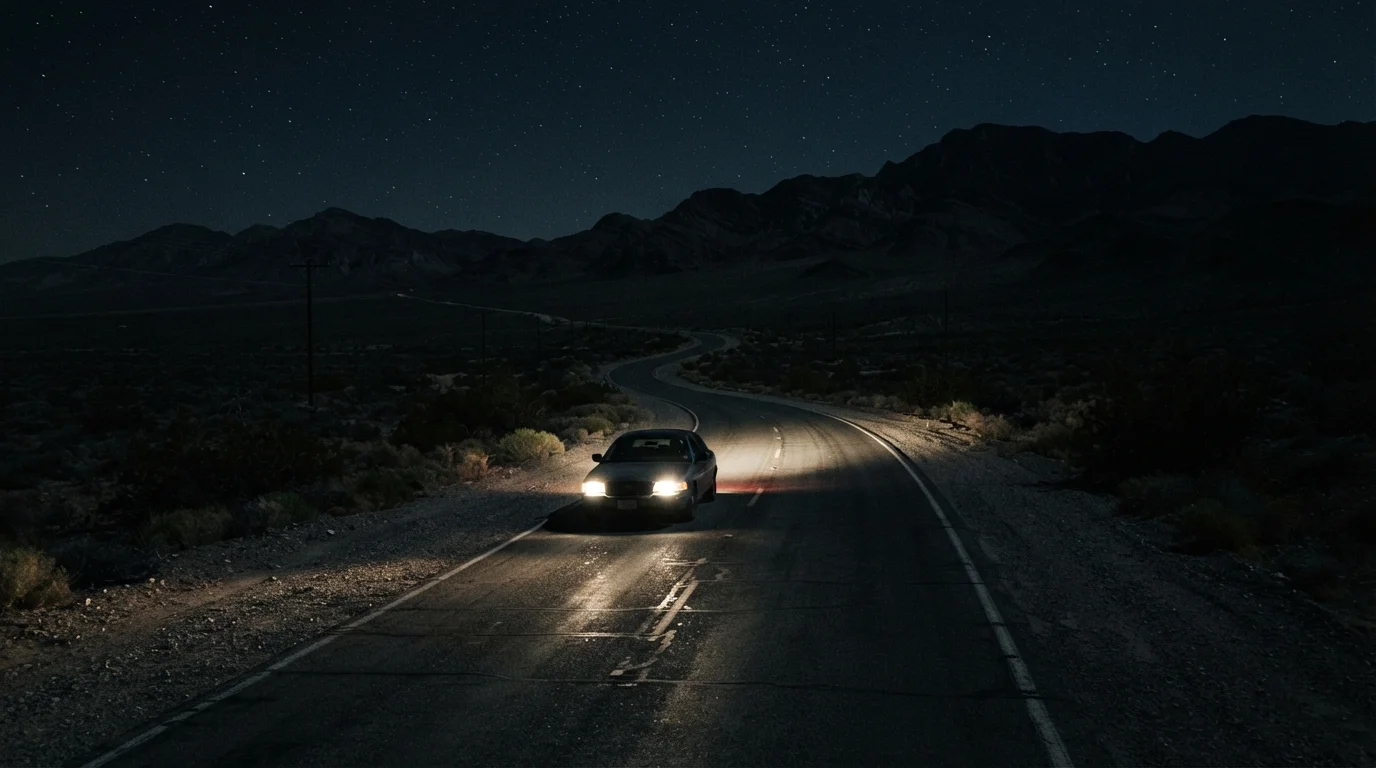
Photo credit: SyndicateExpert.com | Information At The Ready
In this article
Reduced visibility, driver fatigue, and impaired pedestrians make nighttime roads riskier. Understand the factors at play and how to respond to them.
Key Takeaways
- Fatal crash rates per mile driven are significantly higher at night than during the day.
- Human vision loses depth perception and peripheral clarity in low light, directly impairing hazard detection.
- Driver fatigue peaks in the late-night and early-morning hours, slowing reaction time substantially.
- Drunk driving incidents are far more common after dark, increasing risk for all road users.
- Headlight alignment and cleanliness have a measurable impact on how far ahead you can see.
- Adjusting speed and following distance for darkness is a practical, effective safety measure.
The Numbers Behind Nighttime Danger
Most drivers assume that fewer cars on the road means less risk. The data tells a different story. While nighttime driving accounts for roughly a quarter of all miles driven in the United States, it produces a disproportionately high share of fatal crashes. The fatality rate per mile driven after dark is meaningfully higher than during daylight — not because crashes happen more often in absolute numbers, but because the crashes that do occur are more likely to be deadly.
Several factors converge after sundown: visibility drops sharply, the population of impaired and fatigued drivers rises, and road hazards are harder to detect at the speeds Americans typically travel. Understanding each of these forces is the first step toward driving more intelligently at night.
~50%
Of all traffic fatalities occur at night
According to NHTSA data, roughly half of fatal crashes occur during nighttime hours despite lower overall traffic volume.
3×
Higher pedestrian fatality risk after dark
NHTSA reports that pedestrians are approximately three times more likely to be killed in traffic incidents at night than during daylight.
160 ft
Typical low-beam headlight range
Most standard low-beam headlights illuminate approximately 160 feet ahead — less than two seconds of visibility at highway speeds.
How Darkness Degrades Your Vision
Human eyes are not well-suited to high-speed driving in low light. In darkness, the eye shifts from cone-based daytime vision — which is sharp and color-accurate — to rod-based night vision, which is better at detecting motion but loses acuity and depth perception. The practical result: you may see a shape ahead but misjudge how far away it is or how fast it's approaching.
Peripheral vision also contracts at night. Hazards at the edge of your visual field, including pedestrians in dark clothing, cyclists without lights, and animals near the road's edge, may simply not register until it's too late to react. This is compounded by the "tunnel vision" effect at high speeds, where your effective field of view narrows further regardless of light conditions.
Headlight condition matters more than most drivers realize. Yellowed or misaligned headlights can cut effective illumination distance by 50% or more. Keeping lenses clean and having aim checked during routine maintenance is a simple step that pays real safety dividends. For more on how speed interacts with these visibility constraints, see what the science behind your speedometer tells you about stopping distances.
Fatigue and Impairment: The Human Factor
Darkness brings two behavioral hazards that amplify crash risk: drowsy driving and alcohol impairment. The human body's circadian rhythm naturally triggers sleepiness in the late-night and early-morning hours, regardless of how much rest a driver had the night before. Reaction time during a microsleep event — an involuntary lapse lasting just a few seconds — is effectively zero. A vehicle traveling at 60 mph covers 88 feet per second, meaning even a two-second lapse puts a driver 176 feet further down the road with no control input.
Alcohol-impaired driving is heavily concentrated in nighttime hours. NHTSA data consistently shows that the proportion of fatally injured drivers who tested positive for alcohol is significantly higher at night than during the day, with late weekend nights representing the peak risk window for all road users — including completely sober drivers who simply share the road with impaired ones.
Distraction compounds these risks further — a fatigued driver who is also adjusting the radio or glancing at a navigation screen is operating with multiple deficits simultaneously.
Practical Habits That Actually Help
Adapting to nighttime conditions starts with speed. The concept of driving within your headlight range — sometimes called "overdriving your headlights" when violated — means adjusting speed so you can stop within the distance your headlights illuminate. On a dark rural road, that may mean traveling considerably slower than the posted limit to maintain a margin for the unexpected.
Following distance should increase at night. The standard two-second rule for dry daytime conditions is a floor, not a ceiling. Extending to three or four seconds gives you more time to respond to brake lights and road hazards that appear suddenly. For a deeper look at why tailgating becomes especially dangerous as speed rises, see why following distance matters more at highway speeds.
Gaze management is another underappreciated skill. Looking slightly to the right of oncoming headlights rather than directly at them reduces the temporary blindness caused by glare. Scanning the road's edges — where animals and pedestrians tend to appear — rather than fixating on the centerline also helps catch hazards earlier. Night conditions on slick or variable surfaces add another layer of complexity; adjusting your approach for different road surfaces becomes especially important when you cannot see the pavement clearly ahead.
This article is for general informational purposes only. Always exercise your own judgment when driving and consult a qualified professional for personalized safety or vehicle advice.
Frequently Asked Questions

Author
Cars & Driving Editorial Team
Cars & Driving Editorial Team is the collective byline for our editorial team and contributor network. Articles published under this byline or an editorial pen name are researched, written, and reviewed according to our editorial standards for clarity, consistency, and independence before publication.
View all articles →