
Defensive Driving: The Mental Habits That Prevent Crashes Before They Happen
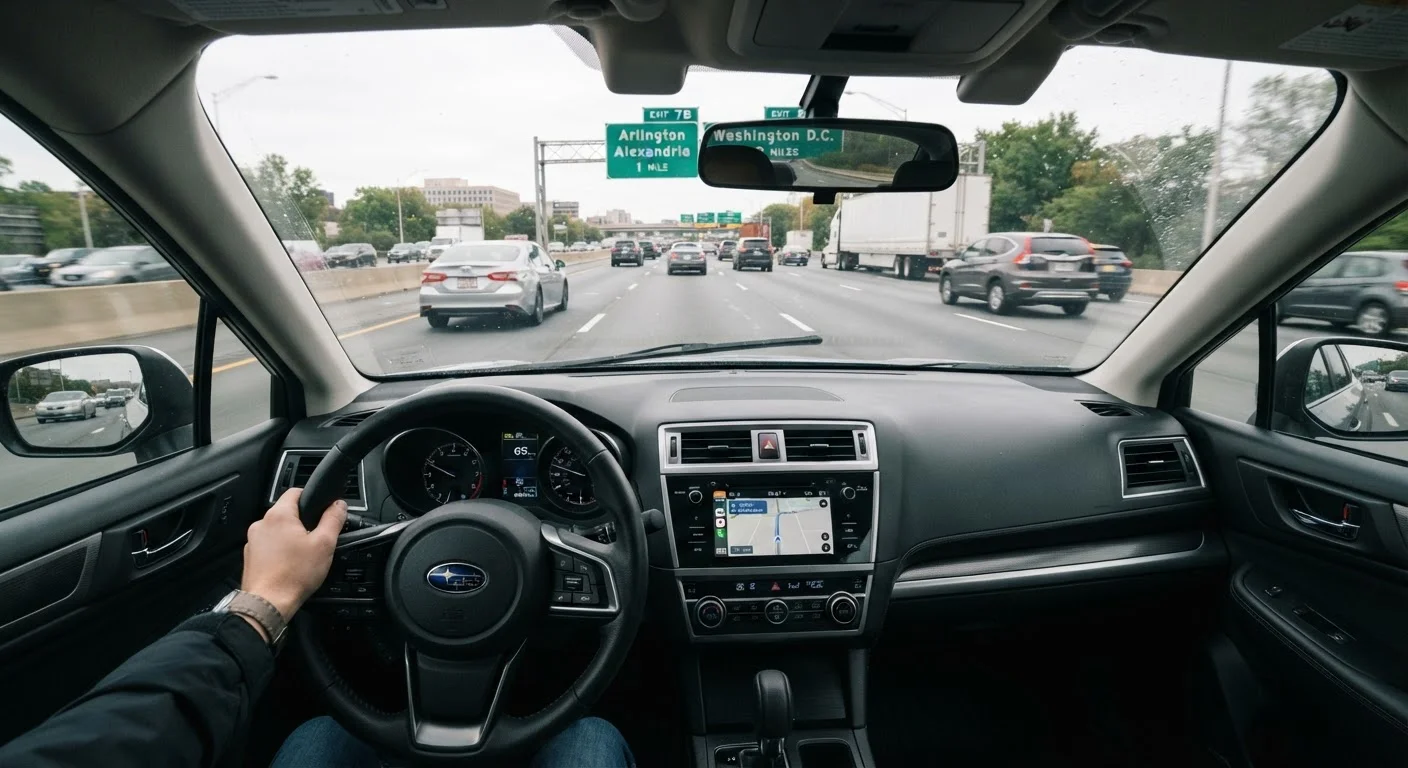
Photo credit: SyndicateExpert.com | Information At The Ready
In this article
Defensive driving is less about reflexes and more about mindset. Learn the core principles that experienced drivers use to stay ahead of danger.
Key Takeaways
- Defensive driving is primarily a mental discipline — anticipating hazards before they become emergencies.
- Maintaining adequate following distance is one of the highest-impact habits any driver can adopt.
- Managing your emotional state behind the wheel directly affects your ability to make sound decisions.
- Scanning far ahead, not just the car in front, gives you critical extra seconds to react.
- Eliminating distractions is inseparable from defensive driving — attention is your core resource.
Why Mindset Matters More Than Reflexes
Most drivers think of safety in terms of reaction time — how quickly they can hit the brakes or swerve when something goes wrong. But experienced, safety-focused drivers operate differently: they work to ensure that last-second reactions are rarely needed in the first place.
Defensive driving is the practice of continuously reading road conditions, anticipating what other drivers might do, and positioning yourself so that hazards can be managed rather than survived. It's less about physical skill and more about mental discipline — sustained attention, deliberate positioning, and emotional regulation working together every time you drive.
Crashes are rarely sudden from the outside. They're usually the outcome of a chain of small decisions that compressed a driver's options until none were good. Defensive driving is the habit of keeping that chain from forming.
Core Mental Habits of Defensive Drivers
The following practices form the foundation of the defensive driving mindset. They aren't reflexes — they're decisions made before a hazard appears.
Scan far ahead, not just the vehicle immediately in front of you.
Looking 10–15 seconds ahead — roughly a quarter mile at highway speeds — gives your brain time to process developing hazards and make smooth, controlled adjustments rather than abrupt emergency maneuvers. Drivers who fixate on the car directly ahead are essentially driving reactively.
Maintain a following distance that gives you genuine stopping room.
The three-second rule — keeping at least three seconds of space between your front bumper and the vehicle ahead — is a minimum, not a target. In poor weather, at night, or when driving a heavier vehicle, four to five seconds is more appropriate. Tailgating is one of the most common contributors to rear-end crashes.
Continuously identify your escape routes and "outs" on both sides.
Knowing where you could go if the vehicle ahead stops suddenly — an open shoulder, an adjacent lane gap, a runoff area — means you've already made that decision before you need it. Most drivers only think about stopping, not steering around a hazard.
Be predictable and communicate your intentions clearly.
Other drivers and cyclists can only respond to what they can see. Using turn signals early, avoiding abrupt lane changes, and avoiding sudden braking gives the drivers around you time to adjust — reducing the collective risk for everyone on the road. Defensive driving isn't just protecting yourself from others; it's being someone others can count on.
Eliminate every source of distraction before moving the vehicle.
Attention is finite. Every resource devoted to a podcast, a conversation, a GPS recalculation, or food is attention removed from the road. Texting is the most-publicized distraction, but eating, adjusting music, and even deep conversation with passengers create meaningful impairment. See the full picture of driver distraction for a complete breakdown.
Emotional State Is a Safety Factor
Your emotional condition when you get behind the wheel has a direct effect on your driving. Anger, anxiety, grief, and extreme fatigue all impair judgment and narrow attention in ways that are easy to underestimate.
Aggressive driving — tailgating, frequent lane changes, ignoring signals — often starts with frustration that escalates gradually. Understanding this progression matters. Our guide to road rage and aggressive driving explores where ordinary frustration crosses into genuine danger and how to step back from that edge.
A simple self-check before departure — "Am I calm enough to give this my full attention?" — costs nothing and can meaningfully reduce risk. If the answer is genuinely no, delaying the trip is a legitimate safety decision.
Context Changes Everything
Defensive driving isn't a fixed formula — it adapts to conditions. Night driving, wet roads, highway merging, and unfamiliar environments all demand different versions of the same core habits. For a deeper look at how visibility and fatigue stack the odds against you after dark, see why night driving is more dangerous than most drivers realize.
Surface conditions require the same adaptability. The following distance and speed adjustments that keep you safe on dry asphalt are insufficient on wet roads or packed snow. Our coverage of adjusting your driving for different road surfaces explains how traction, braking, and steering behavior shift across common American road conditions.
It's also worth revisiting assumptions. Many widely held beliefs about safe driving — from how ABS brakes work to how SUVs handle in snow — are simply inaccurate. Common driving myths that American motorists still believe deserve a close look if you haven't examined them recently.

Author
Cars & Driving Editorial Team
Cars & Driving Editorial Team is the collective byline for our editorial team and contributor network. Articles published under this byline or an editorial pen name are researched, written, and reviewed according to our editorial standards for clarity, consistency, and independence before publication.
View all articles →