
Road Rage and Aggressive Driving: Understanding the Line Between Frustration and Danger
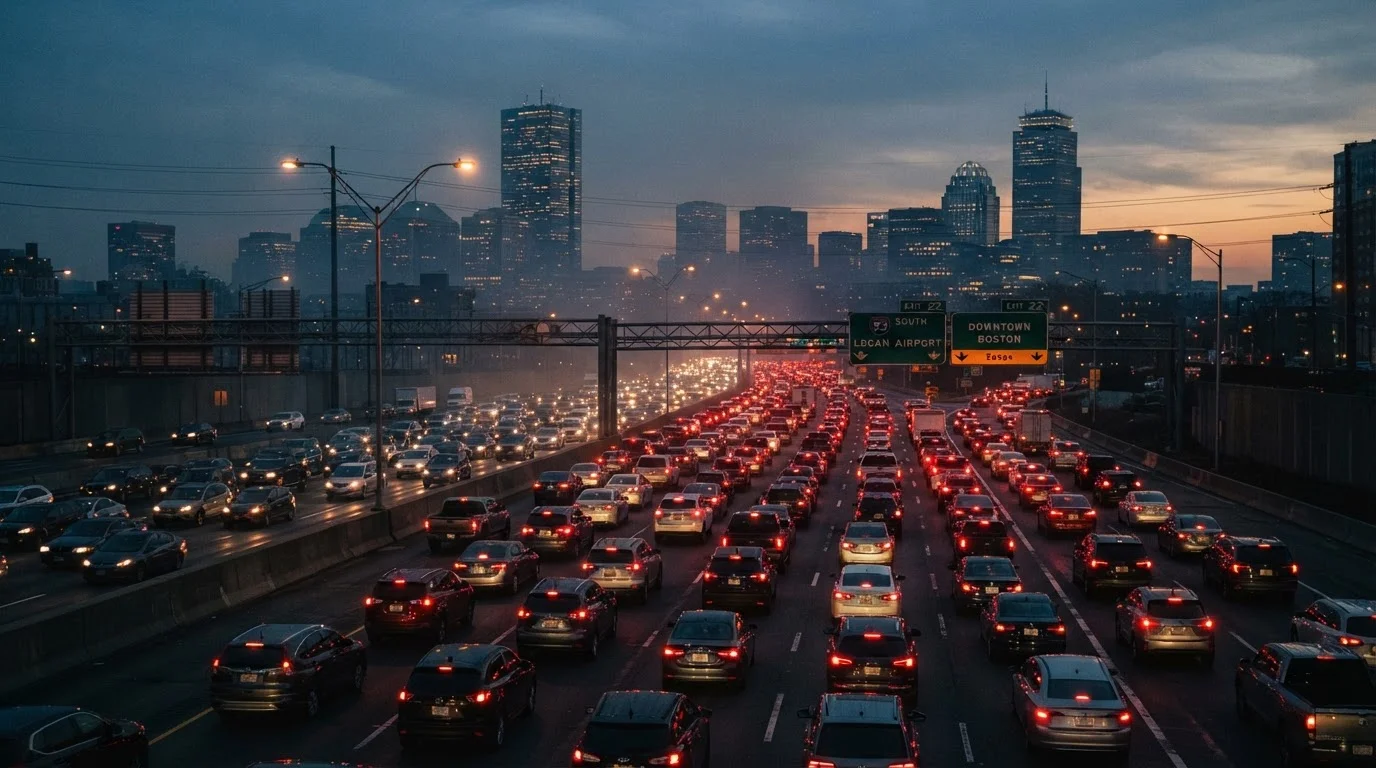
Photo credit: SyndicateExpert.com | Information At The Ready
In this article
What separates ordinary frustration from legally defined aggressive driving? Learn what road rage looks like, why it escalates, and how to de-escalate.
Key Takeaways
- Aggressive driving and road rage are legally distinct — one is a traffic offense, the other can be criminal.
- Common triggers include running late, anonymity behind the wheel, and perceiving another driver's actions as personal.
- Escalation happens fast — a single horn honk can spiral into a dangerous confrontation within seconds.
- The safest response to an aggressive driver is disengagement, not retaliation.
- Defensive driving habits reduce both your exposure to road rage and your likelihood of triggering it.
Where Frustration Ends and Danger Begins
Every driver knows the feeling — someone cuts you off, a light turns red the moment you reach it, or traffic grinds to a halt for no apparent reason. Frustration in these moments is completely normal. What matters is what happens next.
The line between ordinary irritation and genuinely dangerous behavior is crossed when a driver's response shifts from reacting to road conditions to targeting another person. That shift — from environmental frustration to interpersonal hostility — is where aggressive driving begins, and where road rage lurks.
Aggressive driving is broadly defined as operating a vehicle in a way that endangers others through a combination of moving violations: excessive speeding, following too closely, unsafe lane changes, or ignoring traffic controls. Tailgating alone is one of the most common aggressive behaviors and one of the most physically dangerous, particularly at highway speeds.
Road rage elevates this further. It's the deliberate use of the vehicle — or even direct physical confrontation — as a weapon of intimidation or harm. Brake-checking a driver who annoyed you, deliberately cutting someone off in retaliation, or getting out of your car to confront another motorist are all examples. These aren't just bad driving habits; many are criminal offenses.
Why Drivers Escalate: The Psychology Behind the Wheel
Understanding why road rage happens is the first step toward preventing it. Several well-documented psychological factors make the driving environment uniquely volatile.
The anonymity effect: Inside a vehicle, drivers feel insulated from normal social accountability. Behaviors that would be unthinkable face-to-face — yelling, aggressive gesturing, intimidation — feel lower-stakes through a windshield. The car becomes a psychological shield.
Personal attribution: Drivers frequently interpret neutral or accidental behavior as intentional disrespect. Someone merging too close isn't struggling with a blind spot in their mind — they're being rude. This misread triggers a retaliatory impulse. In reality, most merging errors are the product of poor habits, not malice.
Stress carried in from outside: Running late for work, an argument at home, financial pressure — stress that has nothing to do with driving lowers emotional tolerance on the road. Drivers in this state have a shorter fuse and are quicker to perceive threats.
80%
Drivers who report experiencing road rage
According to AAA Foundation for Traffic Safety research, roughly 8 in 10 American drivers report having expressed anger, aggression, or road rage while driving in the past year.
Half
Aggressive drivers who face retaliation
AAA Foundation data suggests that approximately half of drivers who are on the receiving end of aggressive driving respond with an aggressive behavior themselves, perpetuating escalation cycles.
~30
Deaths annually linked to road rage
The NHTSA and related research have associated dozens of fatalities each year directly with road rage incidents, though experts note the actual number may be higher due to inconsistent reporting classifications.
Escalation cycles: Road rage rarely arrives fully formed. It builds through small exchanges — a horn tap, a gesture, a speed-up. Each response invites a counter-response, and within seconds two strangers are engaged in a confrontation neither planned for.
How to De-Escalate: Protecting Yourself and Others
The most effective de-escalation strategy is also the simplest: don't engage. This is harder than it sounds when adrenaline is involved, but it is the single most reliable way to prevent a bad situation from becoming a dangerous one.
- Avoid eye contact with an aggressive driver. Eye contact can be read as a challenge.
- Don't retaliate — no horn, no gesture, no brake-checking. Retaliation is the primary escalation trigger.
- Create space. If someone is tailgating or behaving erratically, change lanes or slow down to let them pass. Distance is protection.
- Don't stop or pull over unless you're in genuine distress — exiting the vehicle invites direct confrontation.
- If threatened, drive to safety. A well-lit public area, a police station, or a busy gas station — never your home address — is the right destination.
The habits of defensive driving are also deeply relevant here. Anticipating conflict, maintaining buffer space, and keeping emotions out of driving decisions are skills that protect you not just from crashes, but from interpersonal danger on the road.
Build a Pre-Drive Reset Habit
If you're leaving the house stressed, angry, or rushed, take 60 seconds before starting the engine. A few slow breaths and a deliberate decision to give yourself extra travel time can meaningfully change how you respond to frustrations on the road. It sounds minor — but emotional state at departure is one of the strongest predictors of aggressive driving behavior.
Checking Your Own Behavior Behind the Wheel
It's easy to frame road rage as something that happens to you. The harder — and more useful — question is whether you've ever contributed to it. Many drivers who consider themselves calm would be surprised at how their behavior reads to others.
Habitual tailgating, rapid lane-weaving, horn use as a form of commentary rather than warning, and flashing high beams at slower drivers are all behaviors that can trigger defensive or retaliatory responses in other motorists. None of these behaviors are victimless, and most are technically illegal under aggressive driving statutes in many states.
Before driving when you're stressed, give yourself a moment. Arrive early enough that time pressure isn't dictating your speed. If you catch yourself thinking of another driver in hostile terms, that's a signal to actively reset — take a breath, ease off the accelerator, and remind yourself that you don't know their circumstances.
Building these habits isn't just good citizenship. It's a genuine safety measure that reduces your exposure to the most unpredictable danger on American roads: another person in an emotional state, operating a two-ton vehicle.
This article provides general educational information about driving behavior and safety. It is not legal advice. For questions about specific traffic laws or criminal charges in your state, consult a qualified legal professional.
Frequently Asked Questions

Author
Cars & Driving Editorial Team
Cars & Driving Editorial Team is the collective byline for our editorial team and contributor network. Articles published under this byline or an editorial pen name are researched, written, and reviewed according to our editorial standards for clarity, consistency, and independence before publication.
View all articles →