
Driving Myths That American Motorists Still Believe
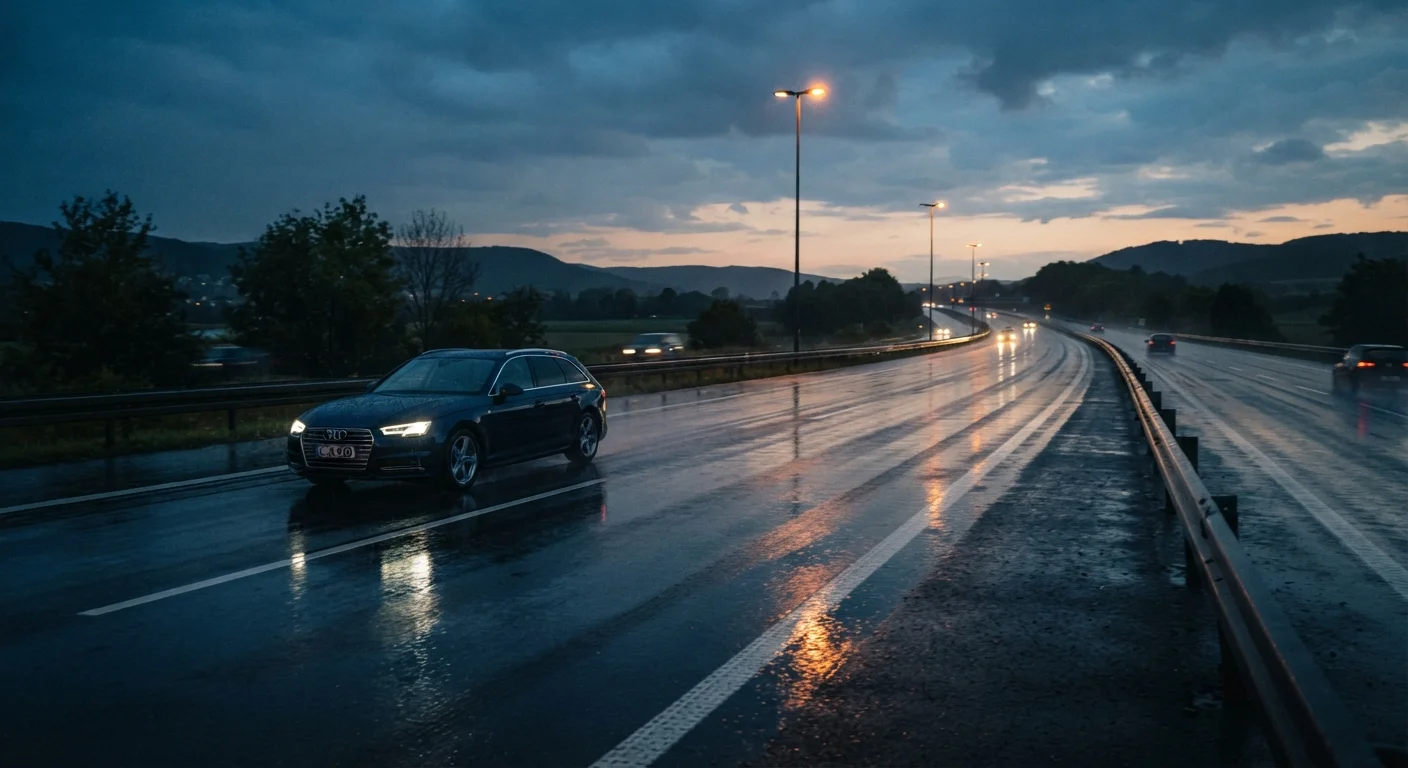
Photo credit: SyndicateExpert.com | Information At The Ready
From pumping ABS brakes to assuming SUVs handle ice better — these widely held beliefs about driving are simply not accurate.
Key Takeaways
- ABS brakes are designed to be held down firmly — pumping them defeats their purpose entirely.
- SUVs have better traction than cars but do not stop faster on ice or snow.
- Driving with two hands on the wheel at 9 and 3 o'clock is the current safety standard.
- Speeding with traffic flow does not legally protect you from a speeding citation.
- Warming up a modern fuel-injected engine by idling is unnecessary and wastes fuel.
Why Driving Myths Are More Dangerous Than They Seem
Driving habits are often formed early and reinforced over decades — which makes them remarkably hard to change, even when the underlying beliefs are wrong. Some myths are harmless quirks. Others create genuinely dangerous situations at highway speed, in bad weather, or during emergency maneuvers. The goal here isn't to embarrass anyone but to replace outdated instincts with accurate information that holds up under real-world conditions.
Many of these misconceptions originated from older vehicle technology, half-remembered driving school advice, or simply what a parent or friend once said. Modern cars behave very differently from vehicles built 30 or 40 years ago, and safety research has shifted what "good driving" actually looks like. See how many of these have shaped your habits.
For a deeper look at how road surface and conditions change everything, our guide on adjusting your driving for different surfaces is worth reading alongside this one.
Myth
You should pump your brakes during a panic stop to avoid skidding.
Fact
Modern vehicles equipped with ABS (Anti-lock Braking System) require sustained, firm pressure — pumping the brakes actively interferes with the system's function.
ABS works by rapidly modulating brake pressure many times per second — far faster than any human foot can replicate. When you pump the brakes, you interrupt that cycle and can actually increase stopping distance. The correct technique is to press the brake pedal firmly and hold it down while steering around the hazard. You may feel a pulsing sensation through the pedal; that's the system working as designed. Pumping became standard advice before ABS was widespread, but it's counterproductive in virtually all vehicles sold in the U.S. since the late 1990s.
Myth
SUVs and trucks handle ice and snow better than regular cars, so you can drive them faster.
Fact
AWD and 4WD improve traction for acceleration but provide no meaningful advantage in braking or cornering on slippery surfaces.
This is one of the most dangerous myths on winter roads. All-wheel drive helps get the vehicle moving, but once you're moving, stopping and turning depend on tire grip — and that's the same physics for every vehicle. A large, heavy SUV on all-season tires can actually take longer to stop than a lighter car on proper winter tires. Overconfidence in AWD is a documented contributor to winter-weather crashes. If you drive an SUV in snowy conditions, the most important upgrade you can make is a set of dedicated winter tires — not simply trusting the drivetrain.
Myth
Keeping your hands at 10 and 2 o'clock on the steering wheel is the safest position.
Fact
Current guidance from safety organizations recommends a 9 and 3 o'clock position, or even 8 and 4 for some drivers.
The 10-and-2 position was standard advice for decades, but modern vehicle design changed the calculus. Vehicles with airbags in the steering column can cause serious arm and hand injuries if the airbag deploys while arms are positioned high on the wheel. The lower grip position keeps hands out of the airbag's deployment path while still offering good control. It also reduces fatigue on longer drives. Most driver education curricula in the U.S. have already updated their guidance, though the old habit persists widely.
Myth
If you're driving at the same speed as traffic, you can't get a speeding ticket.
Fact
Speed limits are legal limits, not suggestions — officers can and do issue citations regardless of surrounding traffic speed.
The "I was just keeping up with traffic" defense carries no legal weight in any U.S. jurisdiction. Posted speed limits are fixed statutory limits, and a driver exceeding them is liable regardless of what others around them are doing. In some states, traveling with traffic at excessive speed can actually draw more enforcement attention, not less, because officers may use pacing or aircraft to document the group. Flow of traffic also has no bearing on the increased crash risk that accompanies higher speeds — stopping distances grow exponentially as speed increases.
Myth
You need to let your car warm up for several minutes before driving in cold weather.
Fact
Modern fuel-injected engines are ready to drive within about 30 seconds — prolonged idling wastes fuel and can wear the engine.
This belief dates back to carbureted engines, which did need time to reach proper operating temperature before driving. Fuel injection systems, which became the norm in American vehicles through the 1980s and 1990s, regulate fuel delivery electronically and adjust for cold starts automatically. The fastest way to warm a modern engine is to drive gently for the first few minutes, not to sit still. Extended idling in cold weather can actually wash oil off cylinder walls, contributing to wear over time. A brief warm-up of 30–60 seconds is reasonable in very cold climates; anything beyond that offers no mechanical benefit.
Myth
Driving with your interior dome light on at night impairs your visibility.
Fact
A low-brightness dome light has a negligible effect on a driver's forward visibility in most situations.
The concern about dome lights causing night blindness is largely overstated for drivers. While bright light sources close to the eyes can temporarily reduce contrast sensitivity, a typical dome light is dim enough that its effect on forward vision is minimal. The myth may have some basis when it comes to glare in the rearview mirror, or when the cabin is brightly lit. That said, if you're navigating a particularly dark or unlit rural road, minimizing interior light is a sensible habit — just not because the dome light will blind you to oncoming hazards.
Building Better Habits from Here
Correcting a driving myth isn't just an intellectual exercise — it translates directly into safer decisions behind the wheel. Knowing that your ABS is doing the work for you means you'll hold that brake pedal firmly during a panic stop instead of pumping it and losing stopping power. Knowing your SUV won't save you on black ice means you'll slow down rather than trust the vehicle's size.
The most effective safety habit is one you've internalized before the moment of crisis arrives. Reflexes are shaped by what you believe, which is why accurate mental models matter so much. For further reading on proactive safety thinking, our piece on defensive driving mental habits covers how experienced drivers stay ahead of danger. You might also find it useful to check car ownership myths that cost Americans money — because some of these same misconceptions carry a financial sting too.
Winter Tires Outperform Drivetrain Every Time
No amount of all-wheel or four-wheel drive compensates for inadequate tires on ice and snow. Winter tires use specialized rubber compounds that stay pliable in low temperatures, providing significantly more grip than all-season tires. If you live in a region with genuine winter weather, tire choice is the single highest-impact safety decision you can make. Check with a qualified tire professional about what's appropriate for your vehicle and climate.

Author
Cars & Driving Editorial Team
Cars & Driving Editorial Team is the collective byline for our editorial team and contributor network. Articles published under this byline or an editorial pen name are researched, written, and reviewed according to our editorial standards for clarity, consistency, and independence before publication.
View all articles →