
Plant-Based Eating on a Grocery Budget
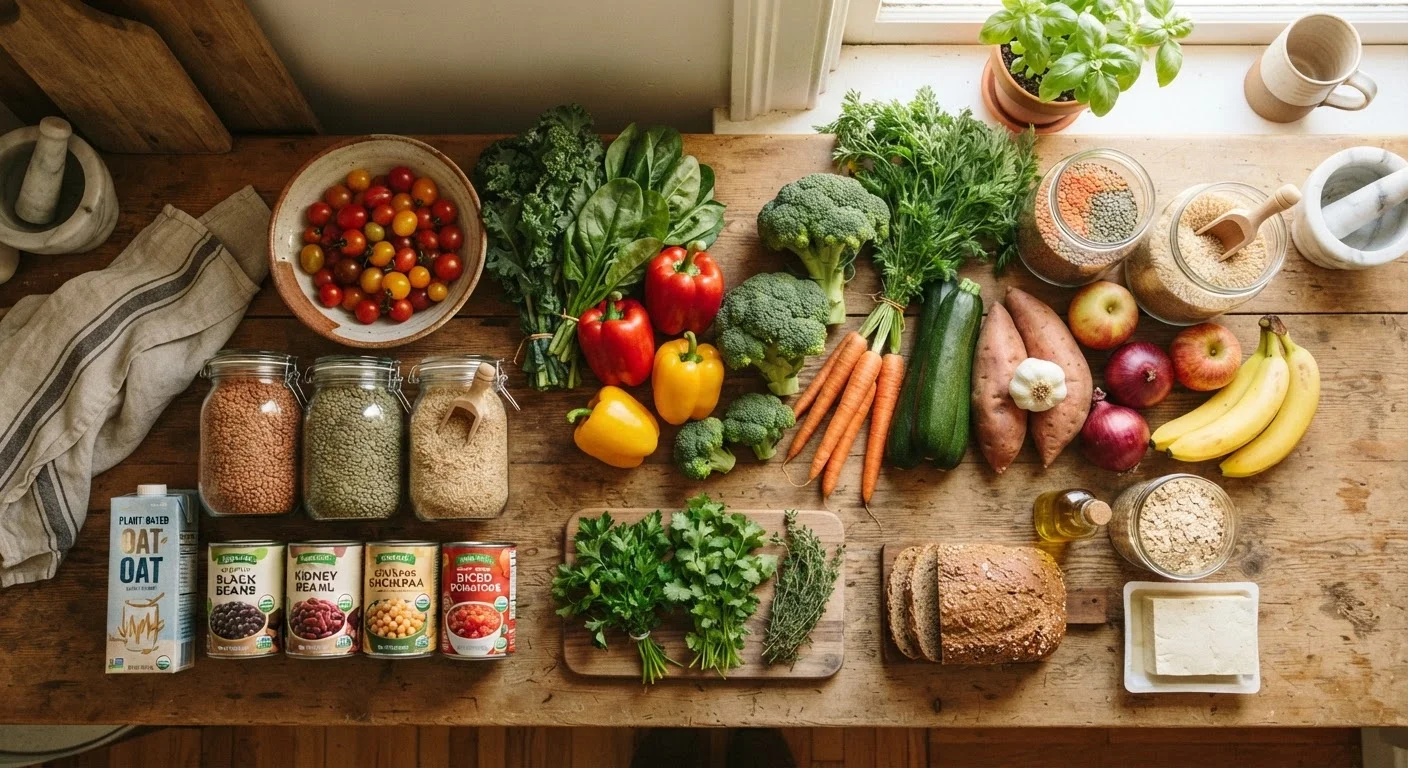
Photo credit: SyndicateExpert.com | Information At The Ready
In this article
Practical strategies for eating more vegetables, legumes, and whole foods without overspending at the supermarket.
Key Takeaways
- Dried legumes, whole grains, and frozen vegetables are among the most nutrient-dense and affordable foods available.
- Building meals around plant proteins like lentils and beans costs significantly less per serving than most meat-centered options.
- Strategic pantry stocking reduces impulse spending and makes healthy weeknight cooking faster and cheaper.
- Seasonal and frozen produce deliver comparable nutrition to fresh at a fraction of the cost.
- A flexible, mostly plant-based approach — not an all-or-nothing diet — is realistic and sustainable for most households.
Why Plant-Based Eating Has a Budget Advantage
There's a persistent myth that eating more plants is expensive — driven partly by the high price of specialty products like oat-milk lattes and packaged meat alternatives. But whole-food, plant-based eating is actually one of the most cost-effective dietary patterns available. The staples — dried lentils, canned chickpeas, brown rice, oats, cabbage, frozen spinach — rank among the cheapest foods per pound in any American grocery store.
The nutritional case is equally strong. Legumes supply protein, fiber, iron, and folate. Whole grains provide sustained energy. Dark leafy greens deliver vitamins K, C, and A. If you want a deeper look at how these foods fit together on a plate, see what balanced eating looks like across dietary patterns.
The goal here isn't to advocate for a strict label. It's to show that shifting more of your grocery spending toward plant foods — without abandoning everything else — is genuinely feasible on a real American food budget.
Best Practices for Stretching Your Plant-Based Dollar
These strategies are grounded in how grocery pricing and nutrition actually work — not idealized meal-prep culture.
Anchor your grocery list to dried and canned legumes as your primary protein source.
Dried lentils, black beans, and chickpeas cost a fraction of meat per gram of protein and require no refrigeration before cooking. They're also rich in fiber, which most Americans under-consume — see why dietary fiber matters and how to get more of it for context. Canned versions trade a small cost premium for convenience and are nutritionally comparable.
Buy frozen vegetables in bulk rather than fresh for everyday cooking.
Frozen produce is harvested at peak ripeness and flash-frozen, which preserves most vitamins and minerals. It also eliminates spoilage — a major source of food budget waste. For most cooked applications (soups, stir-fries, grain bowls), frozen spinach, broccoli, peas, and mixed vegetables perform identically to fresh.
Choose whole grains in their least-processed form for maximum value and nutrition.
Brown rice, rolled oats, barley, and farro purchased in bulk or standard bags cost less per serving than their refined counterparts and offer more fiber and micronutrients. They also function as a calorie-dense base that makes plant-centered meals genuinely satisfying.
Shop seasonally for fresh produce and use it as an accent, not the whole meal.
In-season vegetables and fruit are priced lower because local supply is high. Treating fresh produce as a complement to your pantry staples — rather than the centerpiece — keeps costs predictable and reduces waste when items go bad before use.
Plan meals before shopping and build a specific list — not a vague category list.
Unplanned shopping leads to duplicate purchases, impulse buys, and produce that sits unused. Writing out three to four specific dinners and their exact ingredients before leaving the house consistently reduces total spending. It also ensures you use what you buy, which is particularly important with fresh items.
For a broader framework on building a pantry that supports this kind of cooking night after night, see how to stock a pantry that makes healthy cooking easier.
Start Here: Quick Actions That Make an Immediate Difference
You don't need to overhaul your grocery routine overnight. A few targeted changes — made this week — can meaningfully lower your food costs while increasing the nutritional quality of what you eat. If your schedule is also a barrier, nutrition strategies for genuinely busy people are worth reviewing alongside this guidance.
This article provides general nutrition and budgeting information for educational purposes only. It is not a substitute for personalized advice from a registered dietitian or qualified healthcare professional.

Author
Health & Wellness Editorial Team
Health & Wellness Editorial Team is the collective byline for our editorial team and contributor network. Articles published under this byline or an editorial pen name are researched, written, and reviewed according to our editorial standards for clarity, consistency, and independence before publication.
View all articles →