
What a Balanced Plate Actually Looks Like Across Different Diets
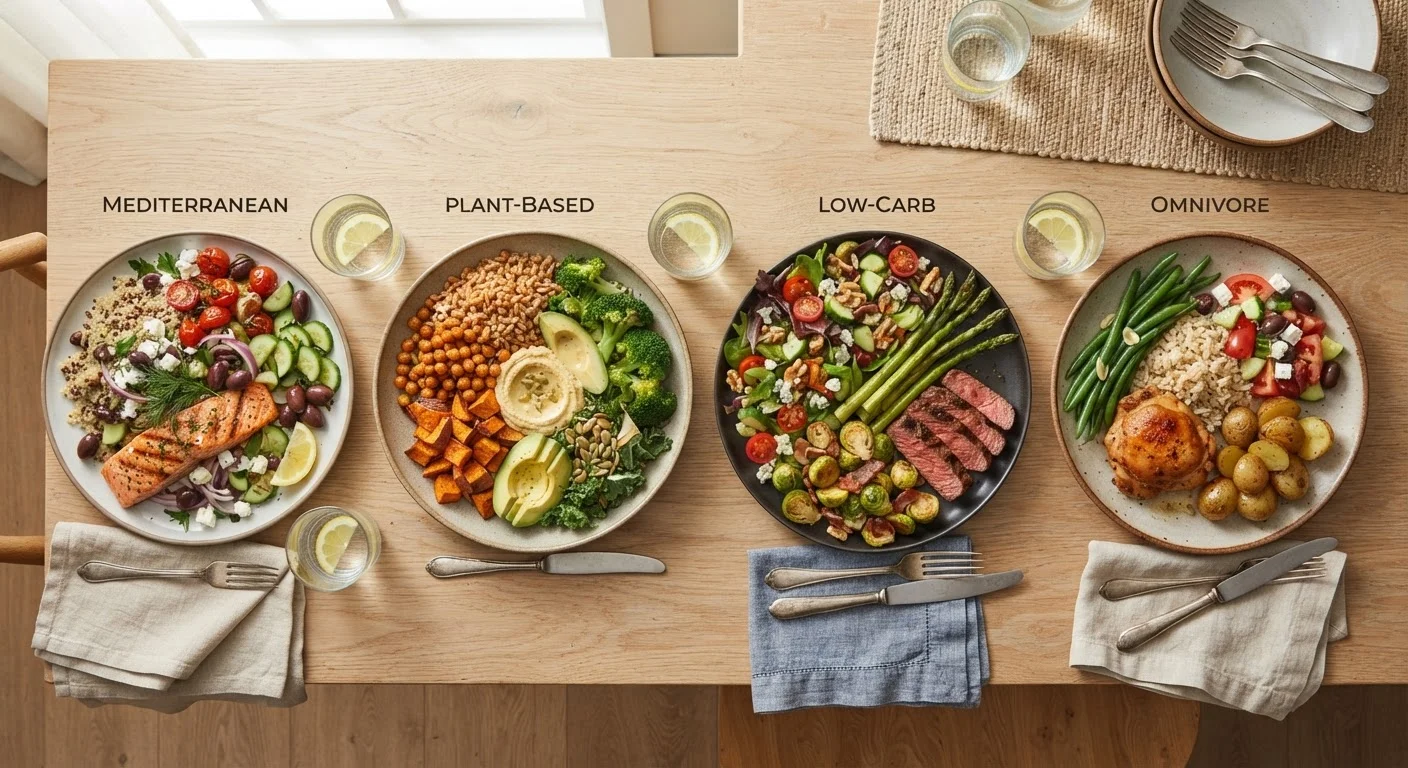
Photo credit: SyndicateExpert.com | Information At The Ready
In this article
From Mediterranean to plant-based, see how macronutrient balance plays out across common dietary patterns and what the science supports.
Key Takeaways
- Most evidence-backed diets share core principles: plenty of vegetables, adequate protein, and minimally processed foods.
- Macronutrient ratios vary significantly across diets, but food quality matters as much as macronutrient proportion.
- No single dietary pattern is universally optimal; individual health status, preferences, and goals should guide choices.
- Consulting a registered dietitian can help tailor any dietary pattern to your specific nutritional needs.
The Common Ground Beneath Different Diets
Nutrition headlines often make it seem like competing diets are worlds apart. In practice, the dietary patterns supported by the strongest body of research share more common ground than their differences suggest. Whether a plate is built around fish and olive oil, whole grains and legumes, or lean animal proteins and non-starchy vegetables, the evidence-backed versions of each approach consistently minimize ultra-processed foods, refined sugars, and excess sodium.
The principles of a genuinely balanced meal — adequate protein, fiber-rich carbohydrates, healthy fats, and micronutrient diversity — appear across all credible dietary patterns, even when the foods filling those roles differ. Understanding how each major approach delivers on those principles helps clarify which might suit your lifestyle, preferences, and health context.
Four Major Dietary Patterns, Compared
Below is a structured look at how four widely studied dietary patterns approach macronutrient balance, protein sources, and plate composition. Note that ranges reflect general guidance, not precise clinical prescriptions.
| Mediterranean | Plant-Based | Low-Carbohydrate | Balanced Omnivore | |
|---|---|---|---|---|
| Primary carb sources | Whole grains, legumes, fruit | Whole grains, legumes, fruit | Non-starchy vegetables only | Whole grains, vegetables, fruit |
| Primary protein sources | Fish, legumes, dairy | Legumes, tofu, nuts, seeds | Meat, fish, eggs, cheese | Meat, fish, dairy, legumes |
| Primary fat sources | Olive oil, nuts, fish | Nuts, seeds, plant oils | Animal fats, nuts, oils | Mixed animal and plant fats |
| Typical carb proportion | 40–55% of calories | 50–60% of calories | Under 25% of calories | 45–55% of calories |
| Key nutrients to monitor | Sodium if using processed foods | B12, iron, calcium, omega-3 | Fiber, magnesium, potassium | Saturated fat, added sugar |
| Research strength | Very strong, long-term data | Strong for chronic disease risk | Strong short-term metabolic data | Moderate; depends on food quality |
It's worth noting that real-world dietary patterns rarely map cleanly onto these categories. Most people eat a hybrid of approaches, and the research generally supports flexibility over rigid adherence to any single named diet. For a deeper dive into separating evidence from marketing, the most persistent nutrition myths Americans still believe are worth reviewing.
What Each Pattern Actually Puts on the Plate
Mediterranean
A Mediterranean-style plate is roughly half vegetables and legumes, a quarter whole grains or starchy vegetables, and a quarter lean protein — predominantly fish, with moderate poultry and dairy and limited red meat. Olive oil is the primary fat source. This pattern has among the most robust research support for cardiovascular health and cognitive function across large cohort studies.
Plant-Based
A well-constructed plant-based plate replaces all or most animal products with legumes, tofu, tempeh, nuts, and seeds for protein, alongside a wide variety of vegetables, whole grains, and fruits. The key nutritional considerations include adequate vitamin B12 (which requires supplementation for strict vegans), iron bioavailability, calcium, and omega-3 fatty acids. When thoughtfully planned, plant-based diets are associated with lower rates of type 2 diabetes and certain cancers. For practical help building this pattern affordably, see our guide to plant-based eating on a grocery budget.
Low-Carbohydrate
Low-carbohydrate patterns significantly reduce grains, starchy vegetables, and most fruit in favor of non-starchy vegetables, animal or plant proteins, and fats. The evidence is strongest for short-term blood glucose management in people with type 2 diabetes and metabolic syndrome. Long-term adherence and cardiovascular outcomes vary depending heavily on the quality of fat and protein sources chosen. Anyone managing a chronic condition should pursue this pattern under medical supervision.
Balanced Omnivore
The traditional balanced omnivore approach — roughly aligned with general dietary guidelines — distributes calories across all food groups without eliminating any. It allows the most dietary flexibility and is often the easiest pattern to maintain socially and practically. The challenge is that without attention to food quality, this flexibility can default toward higher intakes of processed foods.
Food Quality: The Variable That Cuts Across All Diets
Macronutrient ratios alone don't determine the quality of a diet. A low-carbohydrate diet built on processed meats and saturated fats carries different health implications than one built on fish, eggs, avocados, and leafy greens. Similarly, a plant-based diet heavy in refined grains and processed meat substitutes looks very different nutritionally from one centered on whole legumes, vegetables, and intact grains.
Learning to read a nutrition label without getting tripped up is a practical skill regardless of which dietary pattern you follow. And understanding the difference between health claims and actual ingredient quality — covered in depth in our field guide to nutrition labels and health claims — helps translate any dietary philosophy into smarter everyday choices.
Start With Small, Sustainable Shifts
You don't need to overhaul your entire diet to move toward a more balanced pattern. Research on dietary behavior consistently shows that incremental changes — adding more vegetables, swapping refined grains for whole ones, or reducing processed food frequency — tend to stick better than complete dietary overhauls. If you're feeling overwhelmed by conflicting advice, our guide to getting started with healthier eating offers a grounded place to begin.
This article is for general informational and educational purposes only and does not constitute medical or dietary advice. Consult a registered dietitian or qualified healthcare professional before making significant changes to your diet, especially if you have a chronic health condition.

Author
Health & Wellness Editorial Team
Health & Wellness Editorial Team is the collective byline for our editorial team and contributor network. Articles published under this byline or an editorial pen name are researched, written, and reviewed according to our editorial standards for clarity, consistency, and independence before publication.
View all articles →