
Reading a Nutrition Label Without Getting Tripped Up
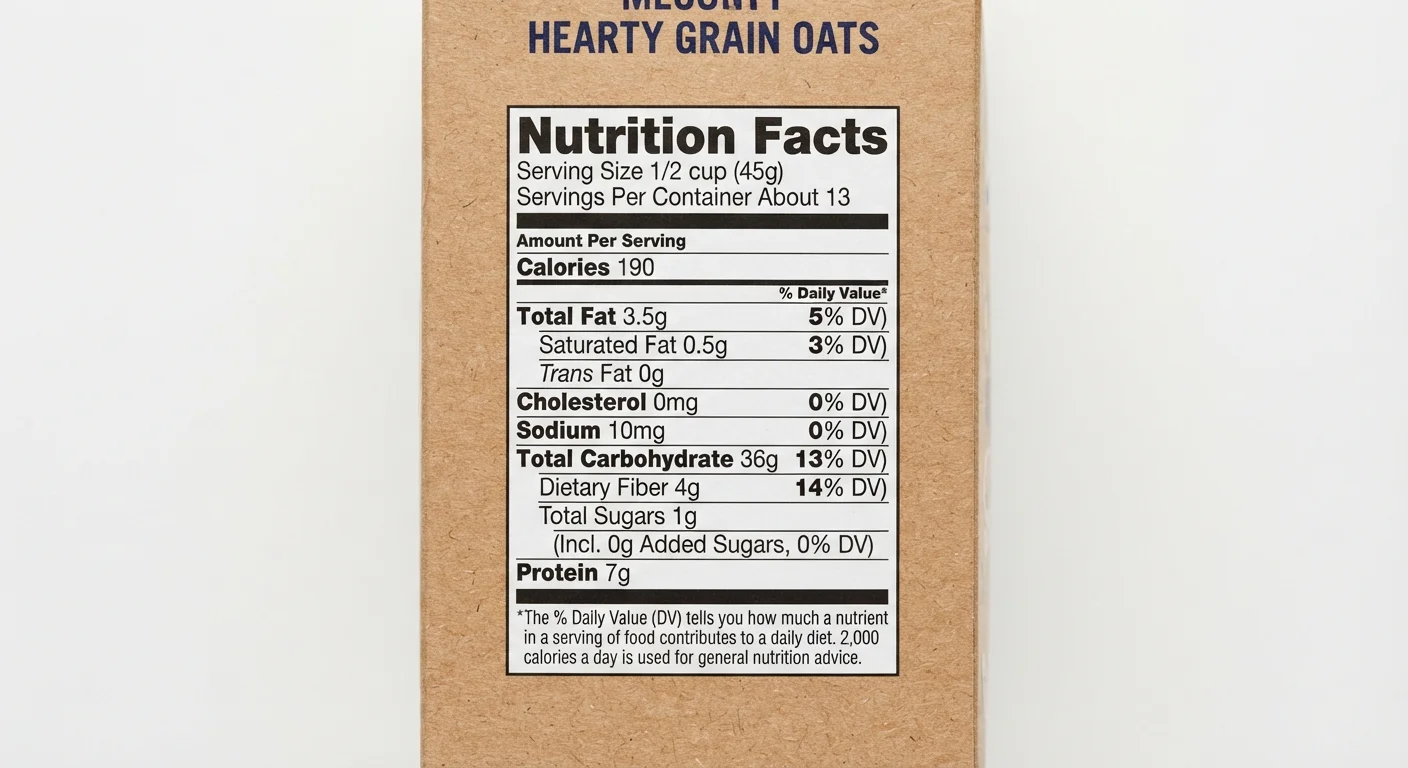
Photo credit: SyndicateExpert.com | Information At The Ready
In this article
Serving sizes, daily values, hidden sugars — a plain-language walkthrough of what every line on a food label actually means.
Key Takeaways
- Serving size controls every number on the label — always check it first.
- % Daily Value is based on a 2,000-calorie reference diet and is a general benchmark, not a personal prescription.
- Added sugars and total sugars are listed separately; the added sugars line is the one worth watching closely.
- Ingredients are listed by weight, so the first few items dominate the product.
- Sodium, saturated fat, and added sugars are the three nutrients most Americans exceed recommended limits on.
Why the Label Trips People Up
The Nutrition Facts panel was redesigned by the FDA in 2020 to be more transparent, but even the updated version can mislead shoppers who don't know how its parts connect. The three most common mistakes are ignoring the serving size, treating total sugars and added sugars as the same thing, and misreading % Daily Value as a percentage of what you personally need. Once you understand the structure, the label becomes genuinely useful — not just a collection of numbers to scroll past.
For a broader look at how labels, ingredient lists, and front-of-package claims all fit together, see the complete field guide to packaged food information. This walkthrough focuses specifically on the Nutrition Facts panel, step by step.
Step-by-Step: Reading the Panel
Work through the label from top to bottom — that order is intentional. Each section builds on the one above it.
Start with serving size — before anything else
The very first line of the panel lists the serving size (e.g., "2 cookies" or "1 cup") and the number of servings per container. Every single number below — calories, grams, percentages — applies to that one serving, not the whole package. A bag labeled 250 calories that contains 3.5 servings delivers 875 calories if you eat the whole thing. Check this number first, every time.
Read the calorie count in context
Calories tell you how much energy one serving provides. The number is useful, but only in the context of your overall eating pattern — a 400-calorie meal-replacement bar and a 400-calorie handful of mixed nuts are nutritionally very different products. Use calories as one data point, not a verdict.
Check total fat and the fat breakdown
The label reports total fat, then breaks it into saturated fat and trans fat. Saturated fat is the line most health guidelines focus on; current dietary guidance recommends keeping it below roughly 10% of total daily calories. Trans fat (partially hydrogenated oils) should be as close to zero as possible — even a label reading "0g" can legally contain up to 0.5g per serving, so check the ingredient list for "partially hydrogenated" oils if this matters to you.
Distinguish total sugars from added sugars
Total sugars includes all sugars in the food — both naturally occurring and added. Added sugars, listed directly below it, is the portion that was incorporated during manufacturing. The Dietary Guidelines for Americans recommend limiting added sugars to less than 10% of daily calories. Plain yogurt may have 12g of total sugars (from lactose) but 0g added — a very different product from a flavored yogurt with 12g of added sugars on top.
Note sodium, then look at the % Daily Value
Sodium is reported in milligrams. The reference daily intake used on labels is 2,300mg — roughly one teaspoon of salt. Many processed and packaged foods contribute a large fraction of this in a single serving. After noting the milligram amount, look at the % Daily Value (%DV) column. This percentage tells you how much of a day's worth of that nutrient one serving provides, based on the 2,000-calorie reference diet. It is a useful comparison tool, not a personalized target.
Scan the beneficial nutrients
The bottom section of the label highlights nutrients many Americans under-consume: dietary fiber, vitamin D, calcium, iron, and potassium. These are worth actively seeking. A %DV of 20% or higher for fiber or potassium generally indicates a meaningful contribution from that product.
Once you're comfortable reading labels, you can use this knowledge to move toward healthier eating without overhauling your routine.
The Nutrients Worth Prioritizing
Not every row on a label demands equal attention. Most Americans consistently exceed recommended intakes for sodium, saturated fat, and added sugars, while falling short on fiber, vitamin D, calcium, and potassium. The updated label highlights these nutrients specifically because of that gap.
Use the 5% / 20% Rule of Thumb
The FDA offers a practical shortcut: a % Daily Value of 5% or less is generally considered low for a nutrient, while 20% or more is considered high. Use this benchmark to quickly gauge whether a product is a significant source of something you want more of — like fiber or calcium — or something you're watching, like sodium or saturated fat.
Added sugars deserve a specific note. The total sugars line includes sugars naturally present in the food (like lactose in dairy or fructose in whole fruit). The added sugars line — required on labels since the 2020 redesign — tells you how much sugar was put in during processing. That distinction matters nutritionally. For a deeper look at how added sugars are disguised in ingredient lists, see how added sugars hide under dozens of names.
Fiber is one to actively seek out. Most adults in the U.S. consume well under the recommended amount. Products with 3g or more of fiber per serving are generally considered a good source. Understanding fiber intake also connects to broader meal composition — what a balanced plate looks like across different diets offers useful context.
If a product contains grains, the ingredient list — not the fiber number alone — reveals whether they're whole or refined. What changes when a grain is refined explains why that distinction affects nutritional value.
This article is for general informational purposes only and does not constitute medical or dietary advice. Consult a qualified healthcare provider or registered dietitian for guidance tailored to your individual health needs.

Author
Health & Wellness Editorial Team
Health & Wellness Editorial Team is the collective byline for our editorial team and contributor network. Articles published under this byline or an editorial pen name are researched, written, and reviewed according to our editorial standards for clarity, consistency, and independence before publication.
View all articles →