
Stocking a Pantry That Makes Healthy Cooking Easier
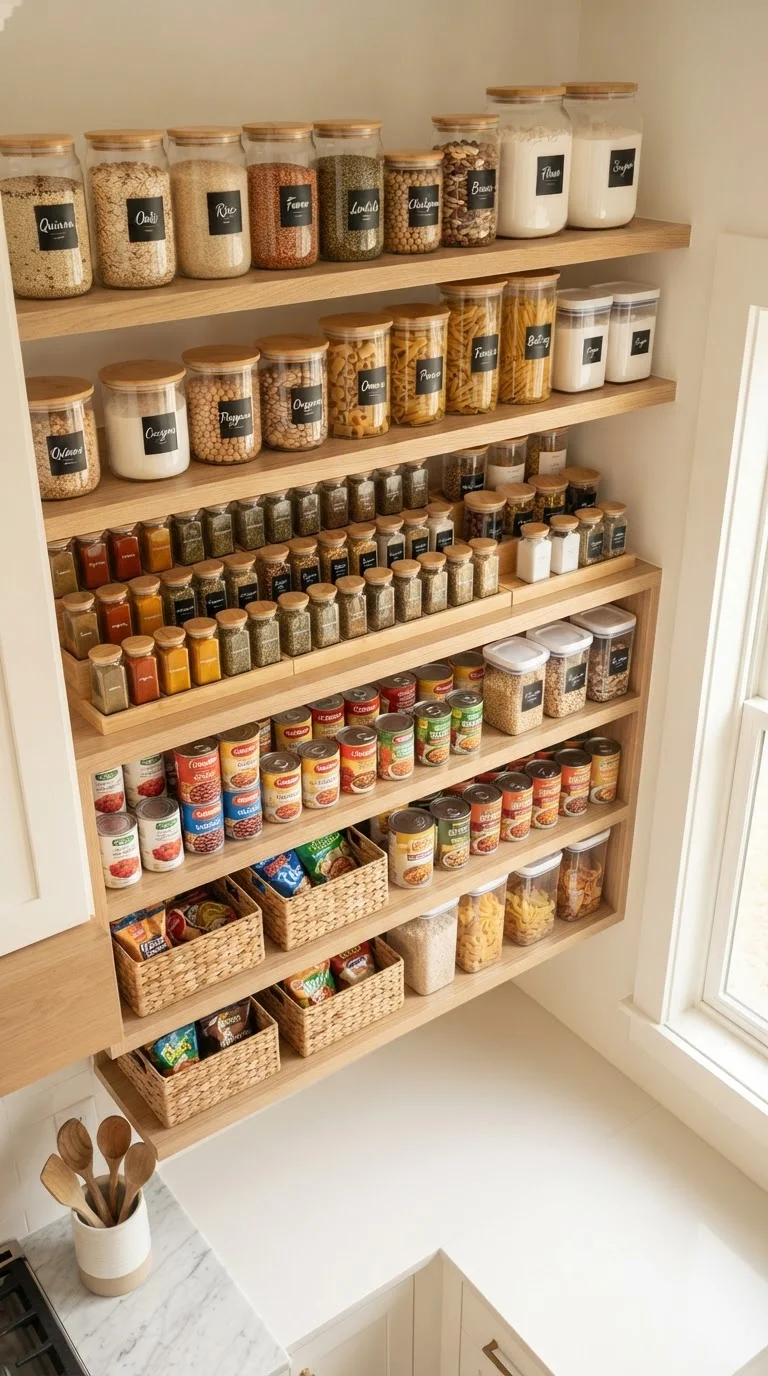
Photo credit: SyndicateExpert.com | Information At The Ready
In this article
A reference list of shelf-stable staples — grains, legumes, canned goods, and condiments — that support nutritious meals on any night.
Key Takeaways
- A pantry stocked with whole grains, legumes, and canned goods reduces reliance on processed convenience foods.
- Shelf-stable staples lower the barrier to cooking a nutritious meal on any weeknight.
- A few versatile condiments and healthy fats can transform simple ingredients into satisfying meals.
- Stocking strategically also supports a grocery budget without sacrificing nutritional quality.
- Use this checklist to audit what you already have before your next shopping trip.
Why Your Pantry Is the Real Meal Planner
Most people attribute healthy eating failures to willpower or time — but the more common culprit is an empty pantry. When the refrigerator holds only condiments and leftovers, a fast-food run feels inevitable. When your shelves hold a handful of reliable staples, a nutritious meal is never more than 20 minutes away.
This checklist takes a practical, no-pressure approach to pantry building. You don't need every item on this list at once. Instead, use it as an audit tool: review what you already have, identify the most useful gaps to fill, and shop deliberately. If you're also working to reduce grocery spending, our guide to plant-based eating on a grocery budget covers how to stretch shelf-stable ingredients further.
The categories below are organized around how they function in a meal — grains as the base, legumes as protein, canned goods as building blocks, and condiments as the flavor layer that makes simple food satisfying. A pantry built on these four pillars gives you enough range to cook dozens of different meals without a single specialty ingredient.
This Is a Reference Guide, Not a Prescription
Every household has different dietary needs, budget constraints, and taste preferences. This checklist is general nutritional information meant to help you build a flexible foundation — it is not personalized medical or dietary advice. If you have a specific health condition, food allergy, or dietary restriction, work with a registered dietitian or your healthcare provider before making significant changes to your eating patterns.
How to Use This Checklist
Before you shop, spend 10 minutes walking through your pantry with this list open. Check off what you already have in good condition, note what's nearly empty, and flag the categories that are entirely missing. Prioritize must items first — these form the structural core of everyday cooking. Should items add meaningful variety and nutrition, while nice-to-have items reward cooks who want more range without requiring a larger budget.
Pantry inventory notebook or app
Track what you already have so you can shop only for gaps and reduce food waste.
Airtight glass or BPA-free containers
Extend the shelf life of dried grains, legumes, and nuts while keeping them visible and accessible.
Label maker or masking tape and marker
Date containers when you open or transfer them so you can rotate stock and avoid spoilage.
Grocery list template
Organize your shopping trip by pantry category to make restocking faster and more consistent.
A well-stocked pantry pairs directly with a reliable cooking routine. If your weeknight cooking tends to break down by midweek, it's worth reading about why meal prep falls apart by Wednesday — many of those problems trace back to missing pantry fundamentals rather than bad planning. And if time is the core obstacle, eating well when time is the real problem offers strategies for genuinely busy schedules that work alongside a stocked pantry.
Sodium Content in Canned Goods
Many canned beans, tomatoes, and broths contain significant added sodium. When possible, choose low-sodium or no-salt-added versions, and rinse canned beans before use — rinsing can remove a meaningful portion of surface sodium. If you or someone in your household has been advised to monitor sodium intake, consult your healthcare provider or a registered dietitian for personalized guidance.
Shelf Life Isn't the Same as Nutritional Freshness
Dried grains and legumes stored longer than 1–2 years may still be safe to eat but can lose texture quality and take much longer to cook. Check dried goods periodically and rotate stock, using older items first. Oils, in particular, can go rancid; store them away from heat and light, and discard any that smell off.
The Pantry Checklist
Work through each category in sequence or jump directly to the sections where your shelves are most bare. Every item includes a priority rating and a brief explanation of why it earns its place in a health-supporting pantry. When reading labels on packaged items in these categories, our field guide to nutrition labels and health claims can help you decode what you're actually buying.
Whole Grains
Legumes
Canned and Jarred Goods
Healthy Fats and Oils
Condiments, Acids, and Flavor Builders
Spices and Dried Herbs
Nuts, Seeds, and Dried Fruit
This article is for general informational and educational purposes only and does not constitute medical or dietary advice. Consult a qualified healthcare professional or registered dietitian for guidance specific to your health needs.

Author
Health & Wellness Editorial Team
Health & Wellness Editorial Team is the collective byline for our editorial team and contributor network. Articles published under this byline or an editorial pen name are researched, written, and reviewed according to our editorial standards for clarity, consistency, and independence before publication.
View all articles →