
Cats and Stress: Recognizing the Signs and Reducing Triggers at Home
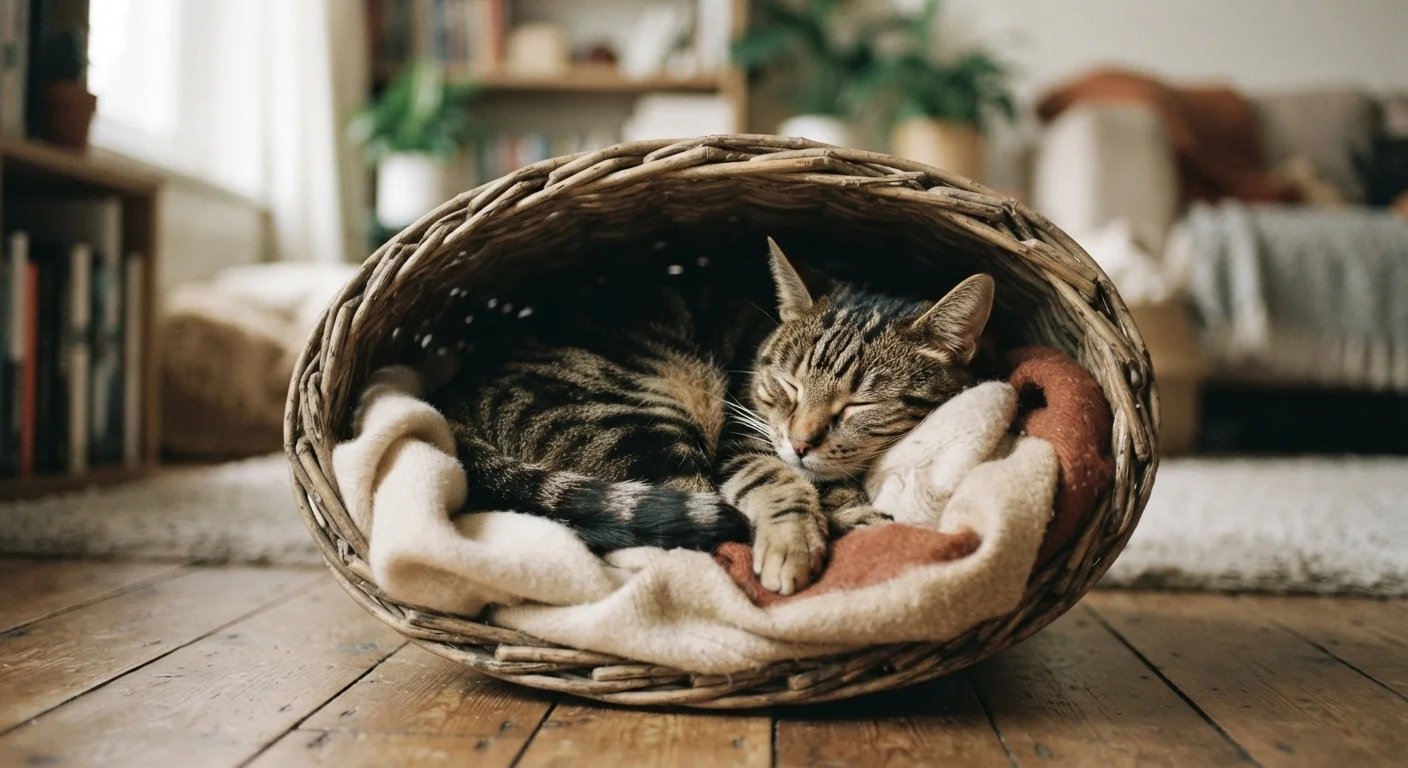
Photo credit: SyndicateExpert.com | Information At The Ready
In this article
Hiding, over-grooming, and appetite changes can signal stress. Here's how to spot it and create a calmer environment.
Key Takeaways
- Cats express stress through behavioral changes like hiding, over-grooming, or avoiding the litter box.
- Common triggers include household changes, new pets, loud noise, and inconsistent routines.
- Creating safe zones, maintaining predictability, and adding enrichment can significantly reduce feline stress.
- Stress-related symptoms can overlap with medical conditions — a vet visit rules out illness first.
- Early recognition and environmental adjustments prevent chronic stress from escalating.
How Cats Show Stress — and Why It's Easy to Miss
Cats are instinctively hardwired to conceal vulnerability. In the wild, showing weakness invites predation, so even a well-cared-for indoor cat will mask discomfort until the signs become hard to ignore. Understanding what to look for is the first step toward helping.
Behavioral signs of stress include:
- Hiding more than usual — retreating under beds, into closets, or behind furniture
- Over-grooming or under-grooming — excessive licking that causes bald patches, or a coat that becomes unkempt
- Changes in appetite — eating significantly less or more than normal
- Litter box avoidance — urinating or defecating outside the box, which is addressed in depth in our guide on when a cat stops using the litter box
- Increased vocalization — yowling or meowing at unusual times
- Aggression or withdrawal — swatting at people they normally tolerate, or refusing interaction
These signs can also indicate underlying illness, so a veterinary check-up should always be the first step before assuming stress is the cause. For a deeper look at how body posture and facial cues reveal your cat's emotional state, see our guide to reading your cat's body language.
This article is for general informational purposes only and is not a substitute for professional veterinary advice.
Common Stress Triggers in the Home Environment
Cats thrive on routine and familiarity. Disruptions — even ones that seem minor to humans — can activate a sustained stress response. Common household triggers include:
- New people or animals — a visiting guest, a new baby, or a recently adopted pet can destabilize a cat's sense of territory
- Changes in routine — shifted feeding times, a new work schedule, or a move to a different home
- Environmental noise — construction, fireworks, loud appliances, or frequent visitors
- Resource competition — in multi-cat homes, competition over food bowls, litter boxes, or resting spots creates chronic low-level tension
- Lack of stimulation — understimulation is its own stressor; our guide on keeping an indoor cat mentally and physically active covers enrichment strategies in detail
Routine Is Your Cat's Best Friend
Even small daily consistencies — same feeding time, same play window, same sleeping spot — signal safety to a cat's nervous system. When disruption is unavoidable, try to anchor at least one familiar routine to give your cat a reliable touchpoint. Predictability reduces baseline arousal more reliably than any single environmental addition.
If you're introducing a new cat to the household, our article on bringing a cat home for the first time outlines a gradual introduction process that minimizes territorial stress for all cats involved.
Step-by-Step: Reducing Stress Triggers at Home
Once you've identified likely stressors and ruled out medical causes with your vet, the following steps can help you build a calmer home environment for your cat.
Audit your home for known stressors
Walk through each room and consider recent changes: new furniture placement, a different feeding schedule, loud appliances near resting spots, or a new household member. Write down anything that changed within the window when stress signs first appeared. Cats respond to subtleties owners often overlook.
Create at least one dedicated safe zone
Provide a quiet, elevated, or enclosed space where your cat can retreat without being disturbed. This might be a cat tree platform, a covered bed on a high shelf, or a quiet room with the door left ajar. The key is consistency: the safe zone must reliably be free of loud noise, children, and other pets.
Stabilize feeding and play schedules
Feed your cat at the same times each day and build in at least two short interactive play sessions — around 10–15 minutes each — using a wand toy or similar. Predictable routines reduce anticipatory anxiety and give your cat a reliable structure to orient around.
Review and optimize litter box setup
The general guideline is one litter box per cat, plus one extra. Place boxes in quiet, low-traffic locations — never next to loud appliances like washing machines. Scoop daily and do a full clean at least weekly. In multi-cat homes, boxes should be spread across different rooms so no single cat can guard access to all of them.
Increase environmental enrichment
Stress is often partly a product of boredom and under-stimulation. Add window perches so your cat can observe outdoor activity, rotate puzzle feeders, and introduce new textures or scents (such as dried catnip or silver vine) to reinvigorate their environment. Enrichment gives cats healthy outlets for energy that might otherwise manifest as anxious behavior.
Manage introductions to new people or pets carefully
When a new person or animal enters the home, allow your cat to set the pace of interaction. Keep new pets separated for at least one to two weeks, allowing scent exchange under the door before visual contact. Ask visitors to avoid making direct eye contact or reaching toward a reluctant cat — let the cat approach on its own terms.
Monitor and document progress
Keep a simple log noting appetite, litter box use, grooming behavior, and social engagement each day. This record helps you identify whether adjustments are working — and gives your vet useful context if a follow-up appointment is needed. Behavioral improvement in cats tends to be gradual; allow at least two to four weeks before evaluating the effect of any single change.
When to Involve Your Veterinarian
Behavioral changes that persist beyond two weeks, intensify over time, or include physical symptoms — weight loss, skin lesions from over-grooming, or blood in urine — warrant prompt veterinary attention. A vet can distinguish between stress-induced behavior and medical conditions that present similarly, such as hyperthyroidism, urinary tract infections, or chronic pain.
For cases where environmental changes alone aren't enough, a veterinarian or veterinary behaviorist may discuss additional support strategies. Never attempt to manage a cat's stress with human medications or supplements without direct veterinary guidance — many are toxic to cats.
Stress in cats, like stress in people, rarely resolves on its own when the underlying triggers remain. Consistent, calm environmental management — not a single fix — is what makes a lasting difference.

Author
Pets & Animals Editorial Team
Pets & Animals Editorial Team is the collective byline for our editorial team and contributor network. Articles published under this byline or an editorial pen name are researched, written, and reviewed according to our editorial standards for clarity, consistency, and independence before publication.
View all articles →