
When a Cat Stops Using the Litter Box
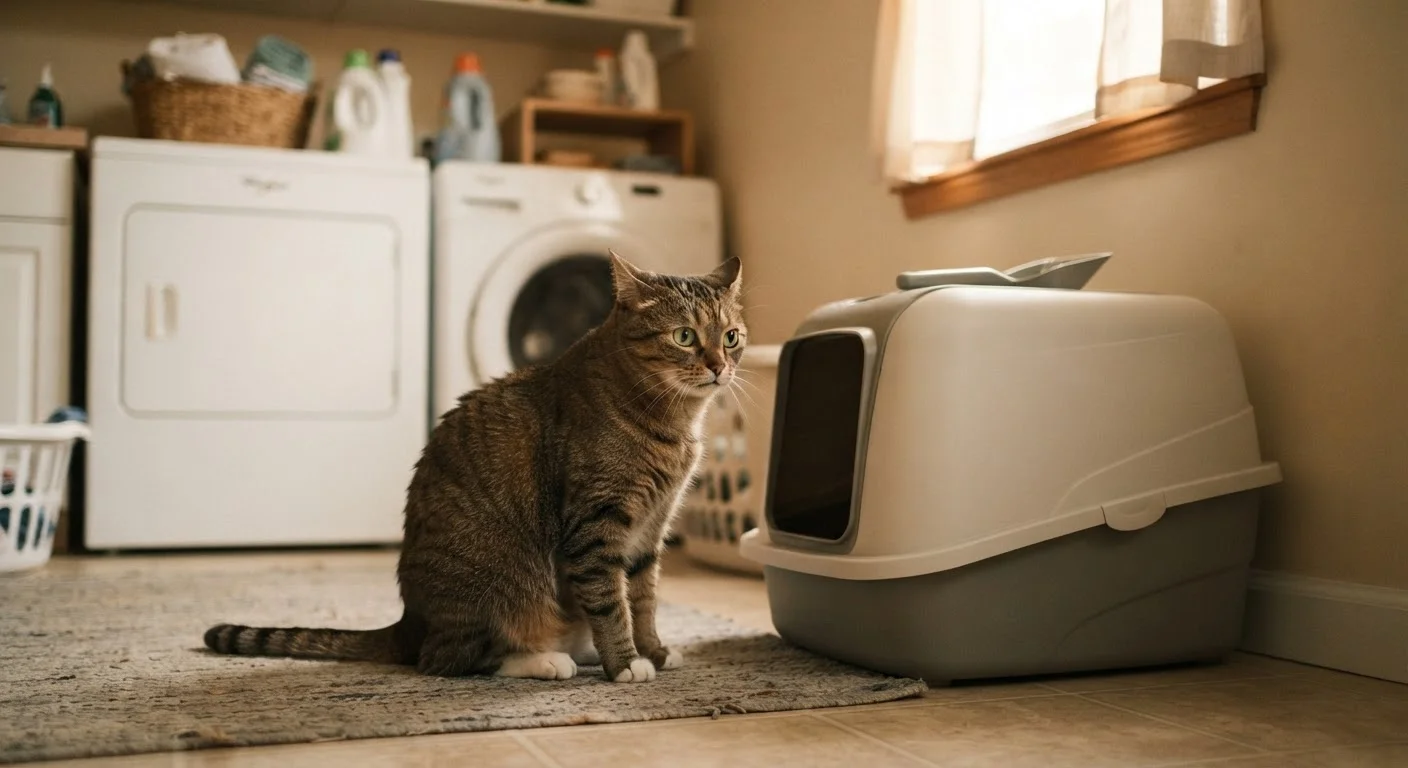
Photo credit: SyndicateExpert.com | Information At The Ready
In this article
Avoidance behavior is rarely random. Learn the most common reasons cats go outside the box — and how to address each one.
Key Takeaways
- A sudden change in litter box habits is often the first sign of an underlying medical issue requiring veterinary attention.
- Box cleanliness, location, size, and litter type all influence whether a cat will use it consistently.
- Stress and household changes are leading non-medical causes of inappropriate elimination in cats.
- Multi-cat households need multiple boxes — the standard guideline is one box per cat, plus one extra.
- Punishment is never effective for litter box problems and typically makes avoidance worse.
Why Cats Stop Using the Litter Box
When a cat begins eliminating outside the litter box, most owners assume it's a behavioral problem — or worse, deliberate defiance. In reality, cats communicate through their actions, and inappropriate elimination is rarely random. It signals something specific: a health concern, a management problem, or an environmental stressor the cat cannot otherwise express.
The causes fall into two broad categories: medical and behavioral. Medical causes — including urinary tract infections, bladder stones, kidney disease, and diabetes — should always be ruled out first, especially when the change in habits is sudden. A veterinarian can assess whether a physical condition is driving the behavior. For guidance on how a cat's living environment shapes its overall wellbeing, see indoor vs. outdoor lifestyle differences.
Once medical causes are cleared, attention shifts to the litter box setup itself and any changes in the home. Understanding the most common mistakes owners make — and why they happen — is the most direct path to resolving the problem.
Common Mistakes That Drive Cats Away from the Box
Most litter box problems trace back to a handful of predictable, correctable errors. Recognizing them is the first step toward getting your cat back on track.
Waiting too long to see a veterinarian when elimination habits change suddenly.
Why it happens: Owners often assume the problem is behavioral and try home fixes first, delaying a diagnosis that could address an underlying medical condition early.
Not cleaning the litter box frequently enough.
Why it happens: Owners underestimate how sensitive cats are to odor. A box that seems acceptable to a human nose may be intolerable to a cat with a scent detection ability many times more acute.
Not providing enough boxes in a multi-cat household.
Why it happens: The one-box assumption is common, especially among owners who previously had a single cat and adopted another without adjusting their setup.
Choosing a box location that is too exposed, noisy, or difficult to reach.
Why it happens: Owners often place boxes in convenient spots for themselves — near laundry machines, in busy hallways, or in basements — without considering the cat's need for a sense of safety while vulnerable.
Switching litter types abruptly or using strongly scented litters.
Why it happens: Owners often choose scented litters believing they control odor better, not realizing cats may find artificial fragrances aversive. Sudden switches also disorient cats accustomed to a specific texture or smell.
Using punishment in response to accidents outside the box.
Why it happens: Frustrated owners assume the cat understands what the punishment is for, and that negative reinforcement will deter future incidents.
For a thorough walkthrough of optimal box setup — including placement, litter depth, and cleaning schedules — litter box setup done right covers the practical details in full.
When Stress Is the Root Cause
Even when the litter box setup is flawless, some cats develop avoidance habits in response to stress. New pets, a new baby, construction noise, changes in the owner's schedule, or even rearranged furniture can all trigger anxiety in a cat. Feline stress responses are often subtle — hiding, over-grooming, and appetite shifts are common signals owners miss before the litter box problem surfaces.
Household Changes Can Trigger Avoidance
Cats are highly sensitive to disruptions in their environment. Moving furniture, introducing a new pet, or changes in your daily schedule can be enough to prompt stress-related elimination outside the box. If avoidance began around a specific change in the home, that context is important information to share with your veterinarian or a certified feline behavior consultant.
Spraying — small amounts of urine deposited vertically on walls or furniture — is a distinct behavior from general inappropriate elimination and typically signals territorial stress rather than a box problem. Both warrant attention, but they call for different approaches. If your cat is showing multiple signs of stress beyond litter box avoidance, recognizing and reducing stress triggers at home offers targeted strategies for creating a calmer environment.
This article is for general informational purposes only and does not constitute veterinary medical advice. Always consult a licensed veterinarian if your cat shows sudden changes in elimination habits or other signs of illness.

Author
Pets & Animals Editorial Team
Pets & Animals Editorial Team is the collective byline for our editorial team and contributor network. Articles published under this byline or an editorial pen name are researched, written, and reviewed according to our editorial standards for clarity, consistency, and independence before publication.
View all articles →