
Indoor Cat vs. Outdoor Cat: What Life Is Really Like for Each
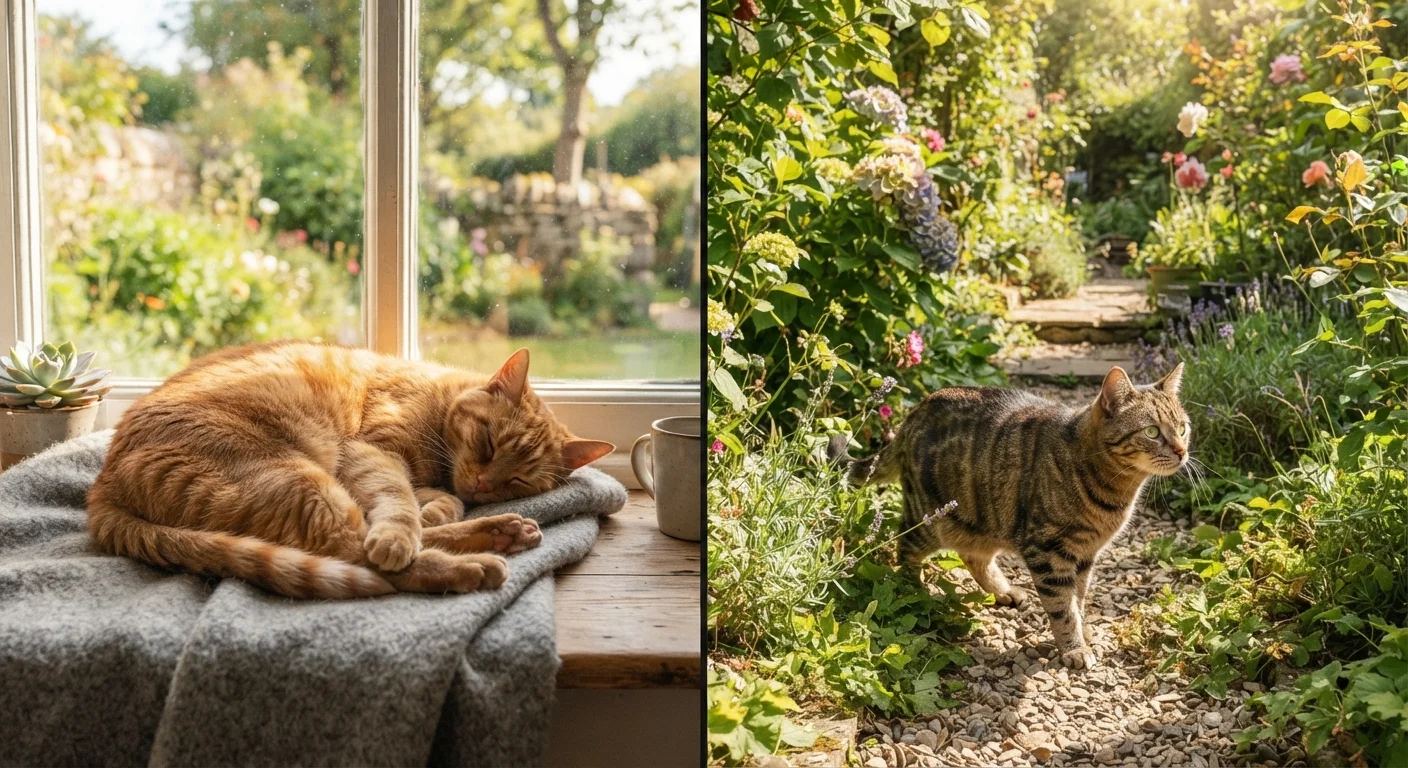
Photo credit: SyndicateExpert.com | Information At The Ready
In this article
A clear-eyed look at the health, safety, and behavioral differences between indoor and outdoor lifestyles for cats.
Key Takeaways
- Indoor cats typically live significantly longer due to reduced exposure to traffic, disease, and predators.
- Outdoor cats satisfy natural hunting and territorial instincts but face substantially higher injury and illness risk.
- Mental and physical enrichment is essential for indoor cats to prevent boredom-related behavioral problems.
- Outdoor access poses public health concerns, including wildlife predation and disease transmission.
- Supervised outdoor time or catio enclosures can offer a meaningful middle ground for many cats and owners.
Lifespan and Health: The Numbers Behind the Lifestyle
One of the starkest differences between indoor and outdoor cats is life expectancy. Veterinary and animal welfare organizations generally estimate that indoor cats live an average of 12–18 years, while cats with outdoor access average closer to 2–5 years — though estimates vary widely depending on geography, supervision level, and local hazards. These figures reflect a dramatic difference in daily risk exposure, not a difference in the cats themselves.
Outdoor cats face a well-documented gauntlet of threats: vehicle collisions, attacks from dogs or wildlife, exposure to feline infectious diseases like FIV and FeLV (which spread through bite wounds), ingestion of rodenticides, and parasites including fleas, ticks, and intestinal worms. Indoor cats are largely insulated from all of these. That said, indoor cats are not risk-free — obesity and related metabolic conditions are more common in sedentary indoor cats, and dental disease affects cats of all lifestyles.
| Criterion | Indoor Cat | Outdoor Cat |
|---|---|---|
| Average lifespan | 12–18 years (estimated) | 2–5 years (estimated) |
| Injury risk | Low | High (traffic, predators) |
| Infectious disease exposure | Minimal | Significant (FIV, FeLV, parasites) |
| Natural behavior fulfillment | Requires active enrichment | Largely self-fulfilled |
| Obesity risk | Higher without exercise | Lower due to activity |
| Wildlife impact | None | Significant predation risk to wildlife |
| Owner control over environment | High | Low |
For a broader look at how cat health claims hold up under scrutiny, see The Truth Behind Common Cat Health Myths.
Behavior and Mental Wellbeing: Enrichment vs. Environment
Cats are obligate hunters with complex territorial and sensory needs. Outdoor cats fulfill many of these needs naturally — patrolling a territory, stalking prey, climbing trees, and responding to a constantly changing environment. This stimulation is real and biologically meaningful.
Indoor cats, by contrast, rely entirely on their owners to provide equivalent stimulation. Without it, they can develop boredom-driven behaviors: excessive vocalization, destructive scratching, overeating, or litter box avoidance. The good news is that thoughtful enrichment — puzzle feeders, vertical climbing structures, interactive play sessions, and window perches — can largely address these needs. Keeping an Indoor Cat Mentally and Physically Active offers evidence-informed strategies for owners navigating this.
Outdoor cats are not without behavioral challenges either. Territorial stress from neighboring cats, noise anxiety, and the trauma of injuries or predator encounters can all take a psychological toll that owners may not immediately recognize.
12–18 yrs
Typical indoor cat lifespan
Veterinary welfare organizations commonly cite this range, reflecting reduced exposure to outdoor hazards.
2–5 yrs
Typical outdoor cat lifespan
This estimate varies by region and supervision level but reflects substantially higher mortality risk from traffic, disease, and predation.
Billions
Wildlife killed annually by free-roaming cats in North America
Peer-reviewed research published in Nature Communications identified free-roaming cats as the largest human-linked source of bird and mammal mortality on the continent.
Environmental and Community Considerations
The indoor vs. outdoor debate extends beyond individual cat welfare. Free-roaming cats are the leading human-associated cause of bird and small mammal mortality in North America, with research suggesting billions of animals are killed annually. This is a significant conservation concern, particularly near sensitive wildlife habitats.
There are also public health dimensions. Outdoor cats can carry and transmit parasites like Toxoplasma gondii and serve as disease reservoirs. Many municipalities have ordinances around roaming cats, and some communities have active trap-neuter-return programs to manage feral populations — a context worth understanding if your cat interacts with strays.
The Catio: A Growing Middle-Ground Option
Catios — enclosed outdoor enclosures — have become increasingly popular as a way to give cats safe access to fresh air, sunlight, and sensory stimulation without free-roaming risks. They range from window-box attachments to full garden enclosures and can be DIY-built or purchased as modular kits. Many veterinary behaviorists consider them one of the best compromises for cats with strong outdoor drive living in urban or suburban environments.
If you're preparing to bring a cat into your home and weighing these lifestyle questions from the start, Bringing a Cat Home for the First Time walks through the foundational decisions new owners face.
Finding the Right Balance for Your Cat
For many owners, the answer isn't a binary choice. Supervised outdoor time on a leash or harness, enclosed catio structures attached to a window or door, and secure garden enclosures allow cats to experience fresh air, natural smells, and visual stimulation without the hazards of free roaming. These options have grown considerably in accessibility and variety, and many cats adapt well to them when introduced gradually.
A cat's individual history matters too. An adult cat that has lived outdoors for years may struggle with full indoor confinement in ways a kitten raised indoors never would. Conversely, a timid or anxious cat may genuinely prefer the predictability and safety of an indoor environment. Paying attention to your individual cat's signals — stress behaviors, activity levels, and engagement — is as important as any general guideline.
Nutrition plays a supporting role regardless of lifestyle. Whether your cat is burning calories outdoors or relying on play sessions for exercise, diet quality matters. Wet Food vs. Dry Food for Cats offers a balanced look at how food format affects hydration and health across different lifestyles.
This article is for general informational purposes only and is not a substitute for professional veterinary advice. Consult your veterinarian for guidance tailored to your cat's individual health, history, and environment.

Author
Pets & Animals Editorial Team
Pets & Animals Editorial Team is the collective byline for our editorial team and contributor network. Articles published under this byline or an editorial pen name are researched, written, and reviewed according to our editorial standards for clarity, consistency, and independence before publication.
View all articles →