
Introducing a Second Cat Into a Single-Cat Home
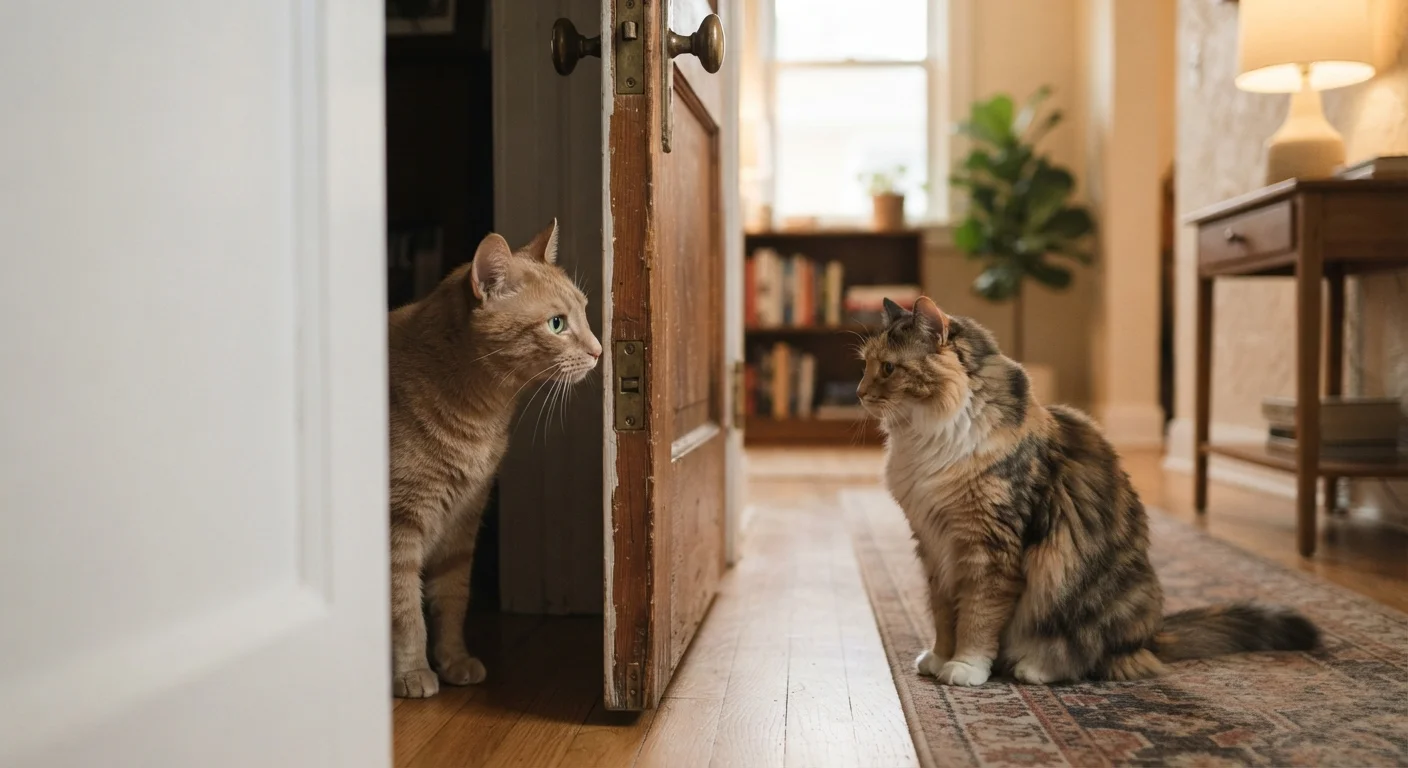
Photo credit: SyndicateExpert.com | Information At The Ready
In this article
Slow introductions reduce conflict. Here's a step-by-step approach for helping a resident cat accept a newcomer.
Key Takeaways
- Never place cats together immediately — a gradual introduction spanning days or weeks reduces aggression.
- Scent swapping before visual contact is one of the most effective early steps.
- Each cat needs its own food bowl, litter box, and resting space to feel secure.
- Hissing and avoidance are normal early reactions; sustained fighting means slowing the process down.
- Patience and positive reinforcement give both cats the best chance of coexisting peacefully.
Why Cats Need a Structured Introduction
Cats are territorial animals with well-established routines and spatial boundaries. Unlike dogs, who are more naturally inclined toward social group living, domestic cats are solitary hunters by instinct, and many find the sudden appearance of another cat in their home genuinely threatening rather than exciting. A poorly managed introduction is one of the most common causes of long-term inter-cat conflict.
The structured approach below works because it allows each cat to adjust at their own pace, using scent — the primary channel of feline communication — before sight or touch. Research in feline behavior consistently supports gradual, multi-phase introductions as the most effective way to reduce aggression and increase the likelihood of long-term compatibility.
If you are also considering adding a canine companion, the dynamics differ significantly. Our article on bringing a second dog home outlines a comparable structured framework for that scenario.
What you will need
What You'll Need Before You Start
Having the right setup in place before the new cat arrives makes every phase of the introduction smoother. Attempting to gather supplies mid-process adds unnecessary stress for both you and your cats.
Baby gate or screen door
Creates a visual barrier that allows cats to see each other safely without physical contact during early face-to-face phases.
Pheromone diffuser
Releases synthetic feline calming pheromones that may help reduce territorial anxiety in both cats during transition.
Separate litter boxes (one per cat, plus one extra)
Prevents resource guarding; the general guideline is one box per cat plus one additional to reduce competition.
Interactive wand toy
Used during supervised shared sessions to redirect energy positively and build neutral associations between cats.
Beyond physical supplies, mentally prepare for a process that may take several weeks. Trying to speed through phases is the most common mistake owners make, and it typically results in setbacks that cost more time overall. Keeping your resident cat's environment as stable as possible — same feeding schedule, same playtime routine — helps them feel secure while adapting to the change.
Step-by-Step: The Introduction Process
Never Force Direct Contact Too Soon
Placing a new cat directly in your resident cat's space — even for a brief visit — can trigger fear-based aggression that sets the entire introduction back by weeks. Cats form social opinions quickly and negative first impressions are hard to reverse. Always let each phase run its full course before advancing to the next.
Prepare a dedicated space for the new cat
Before the new cat arrives, set up a separate room with its own litter box, food and water bowls, bedding, and a hiding spot such as a covered cat bed or cardboard box. This room will serve as the newcomer's safe base for the first several days. Keep the door closed so your resident cat cannot enter.
Let both cats adjust for two to three days
Resist the urge to rush a meeting. Allow the new cat time to decompress from the stress of travel and a new environment. During this phase, spend quality time with your resident cat to reassure them that their routine and bond with you remains intact. You may notice sniffing under the door — this is a healthy sign of curiosity.
Swap scents deliberately
Exchange bedding or soft toys between the two cats' spaces so each can investigate the other's scent thoroughly without any social pressure. You can also gently rub a clean cloth on one cat's cheeks and face, then place it in the other cat's space. Facial-gland scent is particularly reassuring to cats. Repeat this exchange once or twice daily for several days, watching for calm or curious reactions rather than distress.
Introduce controlled visual contact
Once both cats appear relaxed during scent swapping, allow brief visual contact through a cracked door, baby gate, or screen door. Keep initial sessions under five minutes. Offer high-value treats to both cats simultaneously during these sessions to reinforce positive associations. End each session while both cats are still calm — do not wait for tension to build.
Allow supervised shared time in a neutral space
When visual sessions are consistently calm, allow both cats into a shared space under close supervision. Choose a room that is not the resident cat's primary territory if possible. Keep the first few sessions short — ten to fifteen minutes — and use an interactive wand toy to give both cats a shared focus. Remain calm yourself; cats read human body language closely. After each session, return the new cat to their safe room.
Gradually expand access and monitor long-term
As both cats demonstrate consistent tolerance, slowly increase the time they spend together and the number of rooms accessible to both. Continue providing separate resource stations — food bowls, water sources, and litter boxes — even once the introduction is complete. Full integration can take anywhere from a few weeks to several months depending on each cat's personality and history.
What Normal Looks Like — and When to Seek Help
It is normal for cats to hiss, growl, stalk, or puff up during early introductions. These behaviors communicate discomfort and are self-limiting when the introduction is paced correctly. What is not normal is sustained, escalating physical fighting, complete refusal to eat, or a cat that remains in hiding beyond a day or two without emerging to explore.
Watch for Escalating Aggression
Some hissing, growling, and swatting during early meetings is expected. However, if either cat sustains injuries, stops eating, or hides for more than a day at a time, pause the introduction and consult your veterinarian or a certified feline behavior consultant. Stress left unaddressed can lead to lasting behavioral problems.
If either cat shows ongoing stress symptoms even after a slow introduction, consider working with a veterinary behaviorist or a certified cat behavior consultant. Behavioral support can prevent minor friction from becoming entrenched aggression. For a deeper look at how stress manifests in cats and practical ways to address environmental triggers, see our guide on cats and stress.
Once both cats are comfortably sharing space, consider ways to keep the environment engaging for both of them. Enrichment reduces boredom-driven conflict; our resource on keeping an indoor cat mentally and physically active offers practical ideas suited to multi-cat homes.
Use Feeding Time as a Bonding Tool
Feeding both cats on opposite sides of a closed or cracked door simultaneously helps them associate each other's scent with a positive experience — food. Gradually move the bowls closer to the door over several sessions to build neutral, then positive, associations.

Author
Pets & Animals Editorial Team
Pets & Animals Editorial Team is the collective byline for our editorial team and contributor network. Articles published under this byline or an editorial pen name are researched, written, and reviewed according to our editorial standards for clarity, consistency, and independence before publication.
View all articles →