
Reading Your Dog: A Field Guide to Canine Body Language
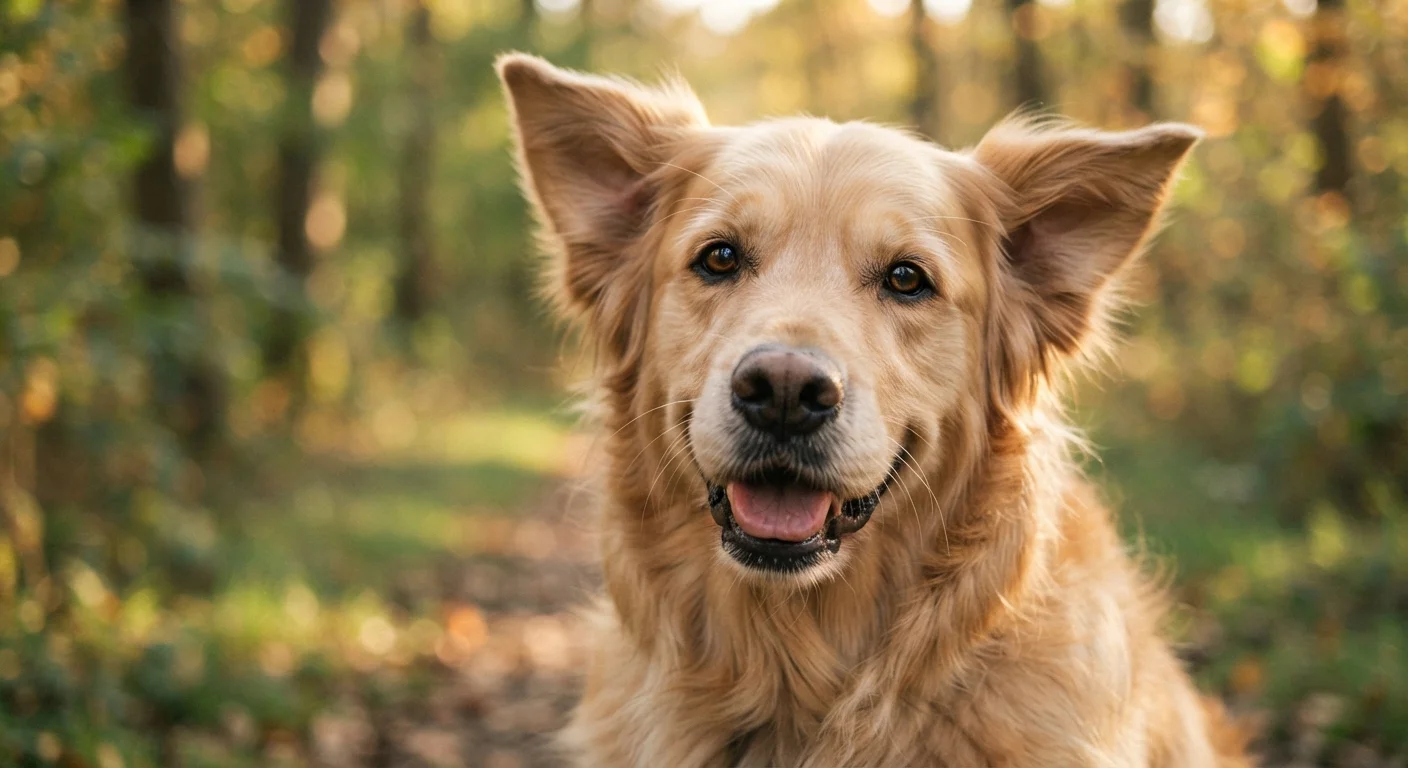
Photo credit: SyndicateExpert.com | Information At The Ready
In this article
Learn what tail position, ear posture, and eye contact really signal — and how misreading them can lead to bites or missed distress cues.
Why Canine Body Language Matters
Dogs communicate almost exclusively through body language, and misreading those signals is one of the most common reasons bites happen and distress goes unnoticed. A wagging tail does not always mean a happy dog. A dog that looks away is not being stubborn — it may be trying to de-escalate tension. Understanding what your dog is actually expressing changes how you respond, how you train, and how safely you manage interactions with strangers, children, or other animals.
This reference guide breaks canine communication down by body region so you can read multiple signals together — the way dogs actually send them. If you're new to dog ownership, building this vocabulary early will prevent costly misunderstandings.
Calming Signal
A behavior dogs use to communicate non-threatening intent or to reduce tension in a social situation. Examples include yawning, turning away, and nose licking.
Whale Eye
When a dog's eyes show the whites (sclera) in a crescent shape, usually while the head is turned slightly away. It signals discomfort, anxiety, or that the dog is tracking something stressful.
Arousal
A state of heightened physical and emotional activation in a dog. High arousal can be positive (excited play) or negative (fear, aggression) depending on context.
Appeasement Behavior
Actions a dog takes to signal submission or peaceful intent to reduce conflict. Lowering the body, licking the muzzle, and avoiding eye contact are common examples.
Freeze
A sudden cessation of movement that often indicates extreme stress or conflict. A freeze can be a final warning before a dog escalates to a snap or bite.
Stiff Wag
A tail wag where the tail is held high and moves in short, rigid strokes rather than a loose sweep. Associated with arousal or assertiveness rather than friendliness.
Tail, Ears, and Eyes: The Core Signal Trio
Reading a dog accurately requires looking at the whole body, but three regions carry the most reliable information:
Tail Position and Movement
- High and stiff: Arousal, alertness, or assertiveness — not necessarily friendliness.
- Mid-height, loose wag: Relaxed and open to interaction.
- Low or tucked: Fear, submission, or anxiety.
- Rapid, wide wag involving the hips: Genuine excitement and positive engagement.
- Slow wag, tail held high: Caution — the dog is assessing the situation.
Ear Position
- Forward and erect: Alert, focused, or mildly aroused.
- Relaxed and slightly back: Calm and comfortable.
- Pinned flat against head: Fear, submission, or appeasement.
Eye Contact and Expression
- Soft eyes, relaxed blink: Comfortable and non-threatening.
- Hard stare, unblinking: A warning — do not lean in or reach toward the dog.
- Whale eye (whites visible): Stress or discomfort; the dog is tracking something worrying without turning its head.
- Averted gaze: A calming signal meant to reduce social pressure — not defiance.
These signals never appear in isolation. A tucked tail combined with flat ears and averted eyes indicates a very different state than tucked tail with stiff posture and a forward stare.
Stress Signals You're Probably Missing
Many stress behaviors are subtle enough that owners overlook them entirely — until they escalate. Recognizing these early cues can prevent situations from reaching a bite threshold.
| Most misread signal | Tail wagging — speed, height, and stiffness all modify its meaning |
| Bite escalation sequence | Freeze → lip lift → snap → bite (many bites skip early steps) (American Veterinary Medical Association guidance) |
| Calming signals documented | Over 30 distinct behaviors identified in behavioral literature (Turid Rugaas, ethological research) |
| Most reliable relaxed posture cue | Loose, wiggly body with mid-height tail and soft, blinking eyes |
| Whale eye indicates | Discomfort or stress — give the dog immediate space |
Common Appeasement and Stress Signals
- Lip licking or nose licking when no food is present
- Yawning outside of tiredness contexts
- Sudden scratching or shaking off as if wet — a way to reset after tension
- Panting without heat or exercise as the cause
- Turning away or moving in an arc rather than approaching directly
- Freezing mid-movement — often a last warning before a snap
Norwegian dog trainer and ethologist Turid Rugaas documented many of these as "calming signals" — behaviors dogs use to communicate peaceful intent and manage their own arousal. Understanding them helps you recognize when a dog feels cornered, over-stimulated, or afraid. For related physical cues that overlap with pain, see signs your dog may be in pain.
Applying Body Language in Real Situations
Context changes meaning. A dog that trembles during a thunderstorm and one that trembles at the vet may look the same, but the triggers and appropriate responses differ. Always combine body language with situational awareness.
Meeting an Unfamiliar Dog
Approach from the side rather than head-on. Let the dog sniff your hand below its chin — not over its head. Watch for any freeze, lip lift, or whale eye and give the dog more space immediately if you see them.
During Walks
On leash, dogs have reduced escape options, which heightens reactive responses. Watch for a sudden stiffening of posture or high, rigid tail when approaching another dog — these signal elevated arousal. Loose-leash training gives you better mechanical control during these moments.
With Children
Children move unpredictably and often ignore calming signals. Teach children never to approach a dog that is eating, sleeping, or showing averted eyes and flattened ears. Supervision is non-negotiable. If your dog lives primarily outdoors, the indoor vs. outdoor tradeoffs discussion is worth revisiting with child safety in mind.
This article is for general educational purposes only. Consult a certified applied animal behaviorist or veterinary behaviorist if your dog displays aggression, severe anxiety, or behavioral changes — these may have medical or complex behavioral roots requiring professional assessment.

Author
Pets & Animals Editorial Team
Pets & Animals Editorial Team is the collective byline for our editorial team and contributor network. Articles published under this byline or an editorial pen name are researched, written, and reviewed according to our editorial standards for clarity, consistency, and independence before publication.
View all articles →