
Bringing a Pet Bird Home: What the First Few Weeks Really Look Like
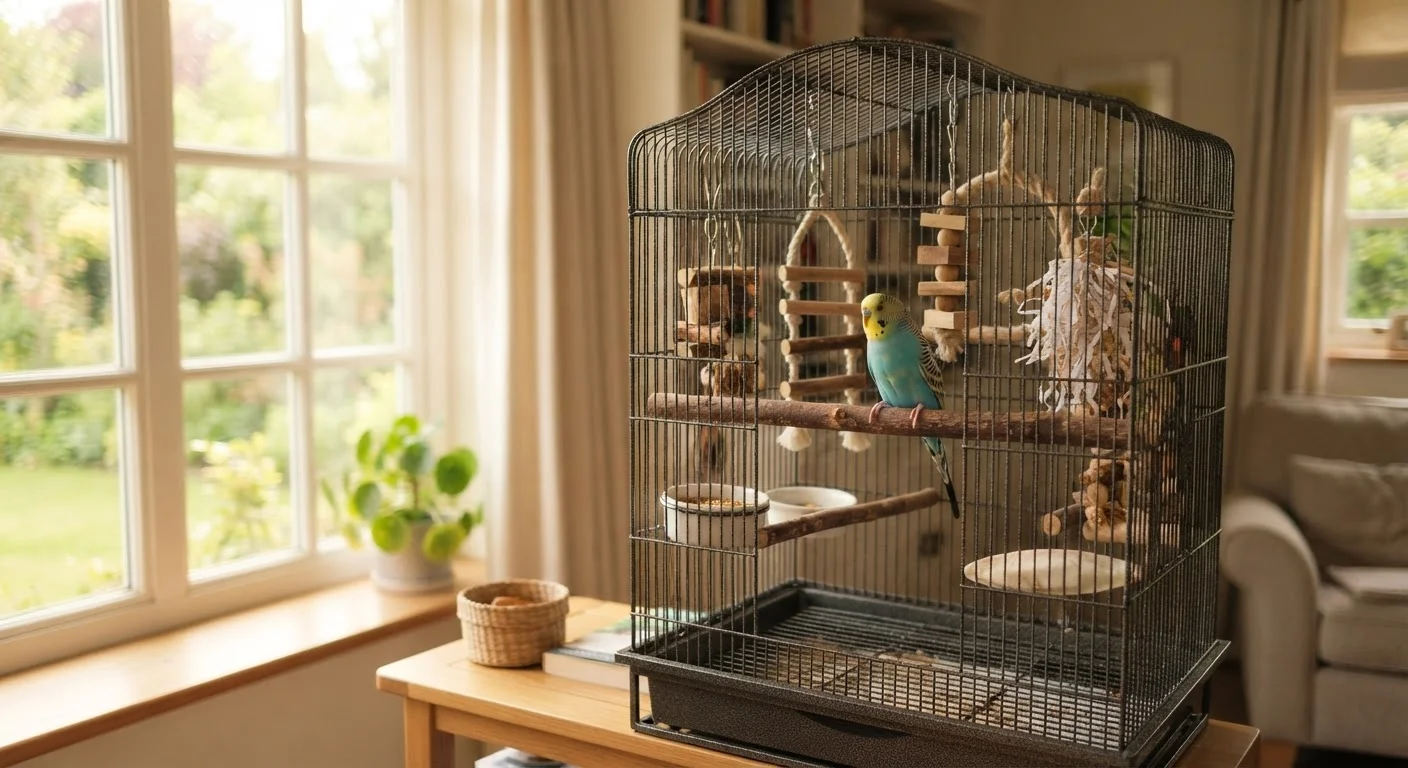
Photo credit: SyndicateExpert.com | Information At The Ready
In this article
New bird owners are often surprised by how long adjustment takes. Here's a realistic picture of the settling-in period and how to support it.
Key Takeaways
- Most pet birds need two to four weeks to adjust before showing their true personality.
- A quiet, consistent environment in the first days dramatically reduces stress-related illness.
- Forced handling early on can set back trust-building by weeks or longer.
- Feather ruffling, reduced vocalization, and hiding are normal short-term stress signs.
- A wellness check with an avian veterinarian should happen within the first week.
Why Bird Adjustment Takes Longer Than Most Owners Expect
New bird owners often arrive home full of excitement, only to find their bird huddled quietly in a corner of the cage, ignoring toys and refusing treats. This isn't failure — it's biology. Birds are prey animals, and any change in environment triggers a heightened stress response. Unlike dogs, who may warm up within hours, most pet birds — from budgies to cockatiels to larger parrots — require days to weeks before they begin to feel genuinely safe.
What makes birds different from other companion animals is their sensitivity to environmental cues: unfamiliar sounds, new light schedules, the smell of a strange space, and the presence of people they don't yet recognize as safe all register as potential threats. If you've recently brought home a cat or dog, you may have noticed a faster social opening — the cat adjustment process still involves hiding and caution, but most birds hold their reserve considerably longer.
Understanding this timeline is the single most important thing a new bird owner can do. Expecting rapid sociability leads to premature handling, which extends — not shortens — the adjustment period.
What You'll Need Before Your Bird Arrives
Getting the setup right before your bird comes home prevents unnecessary disruption during the most sensitive phase of adjustment.
What you will need
Appropriately sized cage
Provides a secure home environment with enough space for movement, perching, and play.
Natural wood perches (varied thickness)
Supports foot health and mimics the varied grip surfaces birds encounter in the wild.
Stainless steel food and water dishes
Easy to clean and free of coatings that can be hazardous to birds.
Cage cover
Signals nighttime to the bird, supporting consistent sleep cycles that reduce stress.
Species-appropriate foraging toys
Provides mental stimulation and encourages natural exploratory behavior once the bird settles.
Digital thermometer
Helps maintain a stable room temperature, which is important for a bird's immune health during transition.
The Step-by-Step Settling-In Process
Follow these steps in sequence during the first few weeks. Resist the urge to rush ahead — each phase builds the trust that makes long-term bonding possible.
Place the cage before your bird arrives
Set up the cage in a room where the family spends time naturally — a living room or kitchen area works well — but position it away from drafts, direct air vents, and windows that get harsh afternoon sun. Birds adjust better when they can observe household activity without being in the middle of it.
Transport the bird calmly and directly home
Use a small, dark transport carrier rather than the full cage. Cover the carrier with a light cloth to reduce visual overstimulation during the journey. Drive calmly, avoid loud music, and limit the number of people present at arrival. The trip itself is stressful, so minimizing additional stimuli helps.
Let the bird enter the cage on its own terms
Open the transport carrier near the cage door and allow the bird to move into its new space without being physically lifted or pushed. This preserves a sense of agency and reduces the fear association with the new environment. Once inside, close the cage gently and step back.
Establish a predictable daily routine immediately
Birds are highly attuned to routine. From day one, keep feeding times, cover removal, and room activity as consistent as possible. A predictable schedule signals safety and helps regulate the bird's stress hormones. Aim to uncover the cage at the same time each morning and cover it again within 30 minutes of the household quieting down at night.
Schedule an avian vet wellness visit within the first week
Even if your bird appears healthy, a baseline wellness examination by an avian veterinarian — a vet with specific training in bird medicine, distinct from a general small-animal practice — is strongly recommended within the first seven days. Many illnesses in birds are masked by instinct; early detection can be critical. Bring any documentation from the breeder or rescue if available.
Begin slow, low-pressure interaction
After the first 48 to 72 hours, begin spending quiet time near the cage without attempting to handle the bird. Talk softly, read aloud, or simply sit nearby. The goal is to become a familiar, non-threatening presence. Gradually progress to offering treats through the cage bars. Let the bird close the distance rather than reaching in uninvited.
Delay out-of-cage time until comfort is established
Out-of-cage exploration should wait until the bird is voluntarily approaching you inside the cage, eating normally, and showing relaxed body posture. For some birds this may take one week; for others, three to four weeks is more realistic. Rushing free flight time before trust is established can cause setbacks that take months to recover from.
Reading Your Bird's Signals
Birds communicate adjustment status clearly through posture, feathers, and behavior — once you know what to look for. Ruffled feathers held for extended periods, unusual stillness, and loss of appetite beyond the first 24 hours can all indicate stress or illness. Feather changes in particular can signal everything from normal molt to significant health issues, so it's worth learning the difference early.
Positive signs that adjustment is progressing well include: increased vocalization, active exploration of perches and toys, eating and drinking on a normal schedule, and making eye contact without retreating. Every bird reaches these milestones on its own timeline — smaller species like budgies often warm up faster than larger parrots, which may take months to fully settle. Socialization needs vary significantly by species, and understanding your specific bird's natural temperament sets realistic expectations for the weeks ahead.
This article is for general informational purposes only and does not constitute veterinary advice. Always consult a qualified avian veterinarian regarding your bird's health and specific care needs.

Author
Pets & Animals Editorial Team
Pets & Animals Editorial Team is the collective byline for our editorial team and contributor network. Articles published under this byline or an editorial pen name are researched, written, and reviewed according to our editorial standards for clarity, consistency, and independence before publication.
View all articles →