
Phishing, Smishing, and Vishing: The Scam Tactics That Keep Evolving
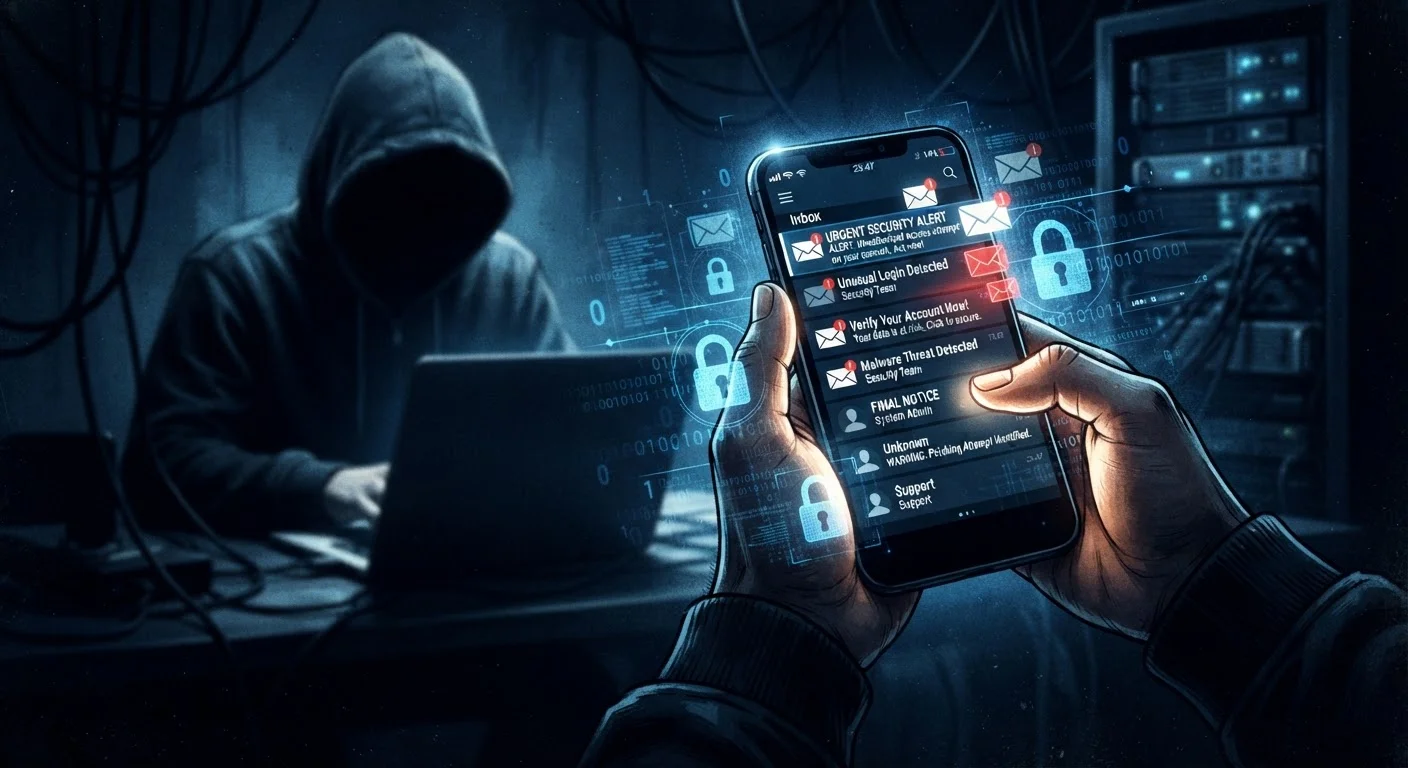
Photo credit: SyndicateExpert.com | Information At The Ready
In this article
Scammers now target you by email, text, and phone call. Learn how each attack works and what to look for before you click or reply.
Key Takeaways
- Phishing, smishing, and vishing all use impersonation and urgency to manipulate victims into acting quickly.
- Scammers increasingly spoof real phone numbers, email addresses, and brand logos to appear legitimate.
- Clicking a link is not required to be harmed — simply calling back an unknown number can initiate a scam.
- Verifying requests through official channels — not contact details provided in the message itself — is the most reliable defense.
- Reporting scam attempts to the FTC or FCC helps authorities track and disrupt these operations.
How Each Attack Is Designed to Fool You
All three scam types share a common playbook: impersonate a trusted entity, manufacture a sense of urgency, and push the target to act before they think. Understanding how each channel operates helps you recognize the pattern before you respond.
Phishing arrives in your inbox dressed as something familiar — a shipping notification, a bank security alert, or a password reset request. The email may display a real company's logo, use professional language, and link to a website that looks nearly identical to the real thing. The goal is to harvest login credentials, credit card numbers, or other sensitive data.
Smishing delivers the same manipulative message via SMS. Because people tend to open texts quickly and trust them more than email, smishing can be especially effective. Messages often claim your package is held, your account is locked, or you've won a prize — all with a link to tap. For a deeper look at the specific red flags to watch for across all three channels, see our guide to spotting scam red flags.
Vishing uses a live caller or automated voice message. A scammer may claim to be from the IRS, Social Security Administration, Medicare, or your bank's fraud department. Caller ID spoofing technology allows them to display a legitimate-looking number, making the call appear genuine even when it isn't.
Caller ID Is Not a Reliable Verification Tool
Caller ID spoofing technology allows scammers to display any number they choose — including the actual phone numbers of your bank, a government agency, or even someone you know. A call appearing to come from a legitimate number is not proof that the caller is who they claim to be. Always verify independently by hanging up and calling back through an official, separately sourced number.
Why These Tactics Keep Working
Social engineering attacks succeed because they exploit predictable human responses — fear, helpfulness, and the instinct to act quickly when something feels urgent. A message warning that your account will be closed in 24 hours triggers a stress response that can override careful judgment.
Scammers also invest in production quality. AI-assisted tools now make it easier to generate grammatically correct, personalized messages at scale. Some vishing campaigns use voice-cloning technology to mimic familiar voices, and some phishing emails correctly address recipients by name using data harvested from previous breaches.
$8.8B
Lost to fraud reported to the FTC in 2022
According to the Federal Trade Commission's Consumer Sentinel Network Data Book, Americans reported losing more than $8.8 billion to fraud in 2022, a significant increase over prior years.
1 in 3
Adults who have experienced a phishing attempt
Research from the Anti-Phishing Working Group and consumer surveys consistently find that a substantial proportion of internet users encounter phishing attempts regularly.
98%
Of cyberattacks rely on social engineering
Cybersecurity researchers have noted that the vast majority of successful attacks exploit human behavior rather than purely technical vulnerabilities, according to industry analysis from security firms.
The social context matters too. Many people feel embarrassed to question an authority figure — real or fake — on the phone. Scammers exploit this by adopting authoritative tones and discouraging victims from verifying independently. Building the habit of pausing before acting is more protective than any single piece of security software.
Practical Steps to Protect Yourself
Defending against these attacks is less about technical tools and more about building consistent habits. A few reliable practices cover the majority of risk:
- Pause before you act. Urgency is a manipulation tool. Any message demanding immediate action — especially one involving money, credentials, or personal data — deserves a moment of skepticism.
- Verify through official channels. If you receive a suspicious call or message from your bank, hang up and call the number on the back of your card. Look up a company's contact information independently rather than using anything provided in the suspicious message itself.
- Never click links in unsolicited messages. Navigate directly to the company's website by typing the address into your browser. This applies equally to email and text.
- Enable two-factor authentication (2FA). Even if a scammer obtains your password through a phishing attack, 2FA adds a barrier they typically cannot cross without physical access to your device.
- Report what you see. Forward suspicious texts to 7726, and file reports at ReportFraud.ftc.gov. These reports help law enforcement identify active campaigns.
For a broader foundation of digital security habits, this grounded starting point for non-technical users covers the settings and practices that make the biggest difference.
When Context Raises Your Risk
Certain situations make these scams more likely to find a foothold. Traveling internationally, for example, puts you in contact with unfamiliar payment systems, foreign phone numbers, and rushed communications — all conditions that scammers exploit. Protecting your finances while traveling abroad is a related concern worth addressing before you leave.
Online dating platforms are another high-risk environment. Scammers build rapport over time before introducing a financial request or a suspicious link. The manipulation tactics overlap significantly with smishing and vishing. Building safety practices into your dating routine addresses how to stay aware without becoming paranoid.
The common thread across all these contexts is that scammers look for moments when your guard is lowered — when you're busy, excited, stressed, or operating in an unfamiliar environment. Awareness of that pattern is itself a meaningful form of protection.
Frequently Asked Questions

Author
Tech & Devices Editorial Team
Tech & Devices Editorial Team is the collective byline for our editorial team and contributor network. Articles published under this byline or an editorial pen name are researched, written, and reviewed according to our editorial standards for clarity, consistency, and independence before publication.
View all articles →