
The Jet Lag Myth That Keeps Travelers Suffering Longer Than They Should
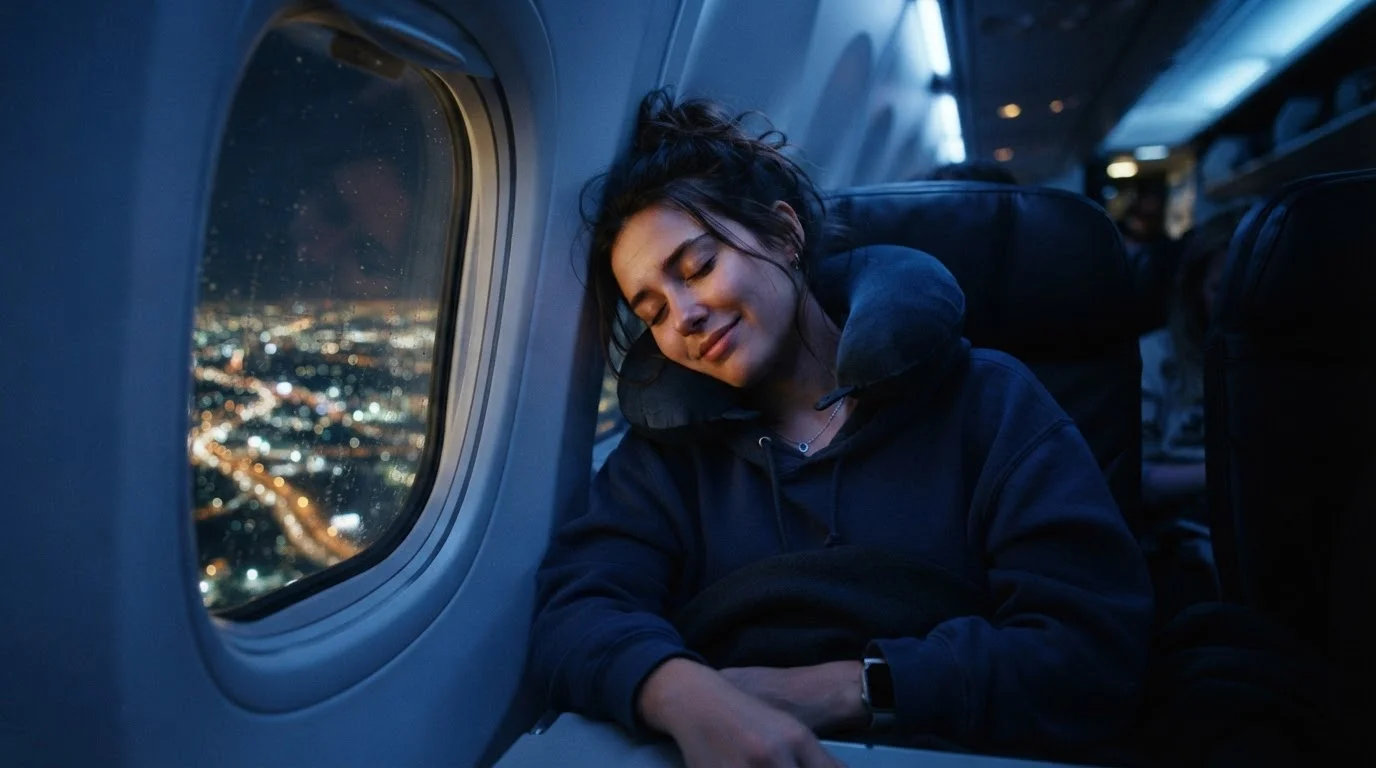
Photo credit: SyndicateExpert.com | Information At The Ready
In this article
Separating science from folklore on jet lag — what actually helps your body clock reset and which common remedies don't hold up.
Key Takeaways
- Jet lag is a genuine circadian rhythm disruption, not simply tiredness from a long flight.
- Light exposure — not sleep alone — is the most powerful tool for resetting your body clock.
- Alcohol and sleeping pills can worsen jet lag recovery despite feeling helpful in the moment.
- Eastward travel typically causes more severe jet lag than westward travel for most people.
- Melatonin has modest evidence behind it, but timing matters far more than the dose.
Why Jet Lag Refuses to Behave the Way We Expect
Every experienced traveler has a pet remedy for jet lag — a glass of wine to knock out on the plane, a heroic effort to stay awake until local bedtime, or an ambitious morning run on arrival. The problem is that most of these strategies are built on intuition rather than how the body clock actually works.
Jet lag is a circadian rhythm disruption. Your internal clock — governed primarily by a cluster of neurons in the brain called the suprachiasmatic nucleus — runs on a roughly 24-hour cycle calibrated by light, temperature, meal timing, and social cues. Cross enough time zones quickly enough and those cues stop matching your destination's environment. The result is fatigue, mental fog, digestive upset, and disrupted sleep that can linger for days.
Understanding the biology helps you stop fighting your own recovery. For a deeper look at how sleep quality directly affects physical repair and performance, see our article on sleep and physical recovery.
Myth
The best way to beat jet lag is to sleep as much as possible on the plane.
Fact
Sleeping strategically — timed to your destination's night — is helpful, but indiscriminate sleep on the plane can make adjustment harder.
Sleeping whenever you feel tired on a long flight feels logical, but it can anchor your body clock to the wrong time zone. If you're flying eastward and arriving in the morning, sleeping through arrival and napping heavily during your destination's daytime delays the adjustment your circadian system needs to make. A better approach is to try to sleep during the portion of the flight that aligns with your destination's nighttime, and then seek bright light exposure on arrival.
Myth
A nightcap or glass of wine helps you sleep through the night after a long flight.
Fact
Alcohol disrupts sleep architecture — particularly REM sleep — and tends to worsen jet lag recovery.
Alcohol may reduce the time it takes to fall asleep, but it fragments sleep in the second half of the night, reducing overall quality and leaving you less rested. For a body clock already under stress from crossing time zones, poor-quality sleep extends the recovery period. Most sleep researchers recommend treating jet lag recovery like any other sleep challenge: limit alcohol, especially close to bedtime, and prioritize consistent sleep and wake times in the new time zone.
Myth
Eastward and westward jet lag are basically the same problem.
Fact
Eastward travel is consistently harder for most people because the body clock has to shift forward, which goes against its natural drift.
The human circadian clock naturally runs slightly longer than 24 hours for most people, making it easier to extend the day (delay sleep, as in westward travel) than to shorten it (advance sleep, as in eastward travel). This is why flying from New York to London tends to produce more severe symptoms than flying from London to New York. Knowing this lets you plan more recovery time for eastward trips and adjust expectations accordingly.
Myth
Pushing through and staying awake until local bedtime on the first day fully resets your clock.
Fact
Staying awake is a helpful start, but light exposure and consistent sleep timing over several days are what truly realign the body clock.
Willpower alone is not a circadian signal. Staying awake until 10 pm on arrival day is useful because it begins to align your sleep pressure with local time, but without the right light cues — morning sunlight, avoidance of bright screens late at night — your internal clock can stubbornly lag behind. Most researchers suggest it takes roughly one day of adjustment per time zone crossed, even with good habits. Being kind to yourself about that timeline reduces the stress that further disrupts sleep.
Myth
Drinking lots of water prevents jet lag.
Fact
Staying hydrated supports overall comfort on flights but does not directly reset the circadian clock or prevent jet lag.
Cabin air is genuinely dry — humidity levels in aircraft cabins often sit well below 20% — and dehydration contributes to headaches, fatigue, and skin discomfort. Drinking water is genuinely good advice for long-haul flying. However, hydration does not influence circadian timing. Conflating general flight wellness with jet lag recovery is one of the most common category errors travelers make. For a full look at what evidence supports inflight, see our piece on staying healthy on long-haul flights.
What Actually Works — and What Travelers Keep Getting Wrong
The most powerful lever for resetting your body clock is light exposure at the right time. Morning light after an eastward flight accelerates the phase advance your body needs; avoiding bright light in the evening prevents your clock from anchoring to the wrong cycle. This is why a brisk outdoor walk in daylight the morning after you land is more effective than almost anything else you can do.
Meal timing is an underrated second lever. Eating at local meal times signals to peripheral clocks in your digestive organs that the new schedule is real. Conversely, eating a heavy meal in the middle of what is still your home-time night confuses those signals further.
Sleep Aids Can Extend Your Recovery Window
Over-the-counter and prescription sleep medications may help you fall asleep but can suppress the natural sleep stages your body needs to consolidate memory and restore energy. Using them repeatedly during a trip can mask ongoing circadian misalignment rather than resolving it. Speak with a healthcare provider before using any sleep aid for jet lag management, particularly if you have a health condition or take other medications.
What about melatonin? The evidence is modest but real — melatonin at low doses (0.5–1 mg is often discussed in research contexts) taken at the destination's target bedtime can help nudge sleep onset. That said, melatonin is a supplement and individual responses vary considerably. Always consult a healthcare professional before using any supplement, especially if you take other medications or have an underlying condition.
If you want to arrive already slightly adjusted, consider gradually shifting your sleep schedule by 30–60 minutes per day in the days before departure — earlier for eastward travel, later for westward. It takes planning but makes arrival noticeably smoother for many travelers. For more on managing long-haul travel well, our guide on staying healthy on long-haul flights covers hydration and circulation strategies backed by research.
This article is for general informational purposes only and is not medical advice. Consult a qualified healthcare professional for guidance specific to your health situation.

Author
Travel & Trips Editorial Team
Travel & Trips Editorial Team is the collective byline for our editorial team and contributor network. Articles published under this byline or an editorial pen name are researched, written, and reviewed according to our editorial standards for clarity, consistency, and independence before publication.
View all articles →