
Why Overpacking Costs More Than Extra Baggage Fees
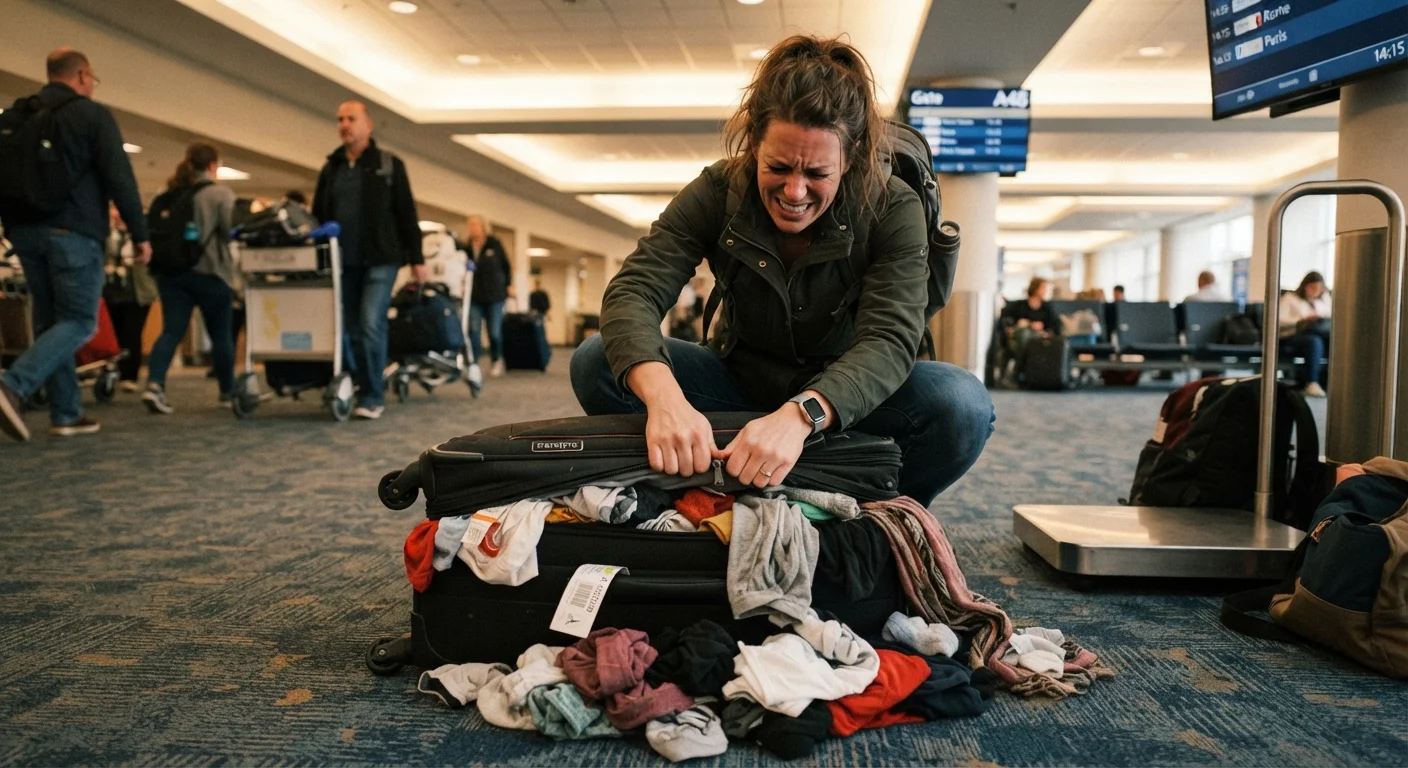
Photo credit: SyndicateExpert.com | Information At The Ready
In this article
Heavy bags slow you down, strain your body, and limit flexibility. Here's what overpacking really costs you beyond airline charges.
Key Takeaways
- Overpacking costs extend well beyond airline fees — think taxis, storage, and physical strain.
- Heavy luggage limits your ability to use public transit, walk freely, or change plans.
- Most travelers wear only a fraction of what they pack; strategic choices prevent waste.
- Packing light is a learnable skill that compounds into better, cheaper trips over time.
The Price Tag Nobody Talks About
When most people think about overpacking, they picture one thing: the dreaded overweight baggage fee at the check-in counter. But that charge — often $30 to $100 per bag depending on the airline — is usually the smallest cost you'll pay for hauling too much. The real expenses are quieter and far more corrosive to both your budget and your experience.
Heavy luggage changes how you move through a trip. It forces you into taxis instead of buses, hotels closer to the airport instead of neighborhoods you actually want to explore, and rushed connections instead of flexible itineraries. These choices add up fast. As our travel budget breakdown explains, it's the costs you don't anticipate before leaving that quietly blow the most carefully planned trips.
Understanding what overpacking truly costs — financially, physically, and logistically — is the first step toward packing smarter on every future trip.
Common Overpacking Mistakes and How to Fix Them
These are the errors that experienced travelers recognize — sometimes only after learning them the hard way.
Packing for every possible scenario instead of the most likely ones.
Why it happens: Travelers worry about being caught unprepared, so they pack for rain, cold, formal dinners, beach days, and every in-between situation — regardless of actual trip plans.
Bringing duplicate or redundant items that serve the same purpose.
Why it happens: It feels safer to have backup options, and the weight of individual items seems small until the bag is full.
Ignoring the cumulative weight of toiletries and personal care products.
Why it happens: Liquids and bottles seem trivial item by item, but a full toiletry bag can easily weigh four to six pounds.
Using the largest bag you own as a starting point.
Why it happens: A bigger bag creates a psychological invitation to fill it, making overpacking almost inevitable.
Forgetting that souvenirs and purchases need space on the return trip.
Why it happens: Travelers focus entirely on what they're bringing from home and don't account for what they'll accumulate abroad.
If you want to put these principles into practice, our guide on core packing strategies covers destination-agnostic approaches that work for any kind of trip.
The Hidden Mobility Tax
60%
Clothes actually worn during a typical trip
Travel industry surveys and packing studies consistently suggest most travelers use well under two-thirds of what they pack.
$50–$200
Extra transport costs per trip from heavy luggage
Travelers with checked bags frequently spend more on taxis, airport transfers, and luggage storage compared to those traveling carry-on only.
30 min
Average time lost per trip at baggage claim
Checked bag wait times vary by airport and flight, but industry averages suggest 20–40 minutes at most major US airports.
One of the most underappreciated costs of overpacking is what it takes away: mobility. A 50-pound checked bag means you're paying for taxis in cities with excellent metro systems, skipping spontaneous detours because you can't carry your bag up cobblestone streets, and spending 20 minutes at every baggage carousel when you could already be in a cab. That's not just a financial drain — it's a drain on the very experience you saved up for.
Physical strain is real, too. Lugging heavy bags through airports, train stations, and unfamiliar streets increases the risk of muscle fatigue and minor injury, particularly for travelers with back or joint sensitivities. The cumulative toll over a 10-day trip is significant and easy to underestimate when you're packing from the comfort of your bedroom floor.
For travelers ready to make a genuine shift, carry-on-only packing is more achievable than most people expect — and the freedom it unlocks is immediate.
Pack Less, Travel Better
Overpacking is usually rooted in anxiety — a fear of being without something you might need. But traveling light is an act of trust: trust in your ability to adapt, to find what you need locally, and to prioritize experiences over contingencies. That mindset shift, more than any packing cube or compression bag, is what separates light packers from heavy ones.
Start by auditing what you actually used on your last trip. Most travelers report wearing roughly 60% of what they brought, and rarely touching emergency items they packed "just in case." Build your next packing list from what you used — not what you feared needing.
Don't Let "Just in Case" Run Your Packing List
The phrase "just in case" is responsible for more overpacked bags than any other single habit. Before adding any item, ask yourself: What is the realistic chance I need this, and what would I actually do if I didn't have it? If the honest answer is "I'd figure it out," leave it behind. Worst-case contingencies almost never materialize — and even when they do, most destinations have accessible solutions.
The upfront effort of packing intentionally pays dividends across every day of your trip. Fewer decisions at security, faster movement through cities, and a lower mental load that lets you stay present. That last benefit is harder to quantify but deeply real — something worth keeping in mind when you're standing over a suitcase at midnight trying to squeeze in one more jacket.

Author
Travel & Trips Editorial Team
Travel & Trips Editorial Team is the collective byline for our editorial team and contributor network. Articles published under this byline or an editorial pen name are researched, written, and reviewed according to our editorial standards for clarity, consistency, and independence before publication.
View all articles →