
Reptile Keeping for Beginners: Habitats, Heat, and Handling
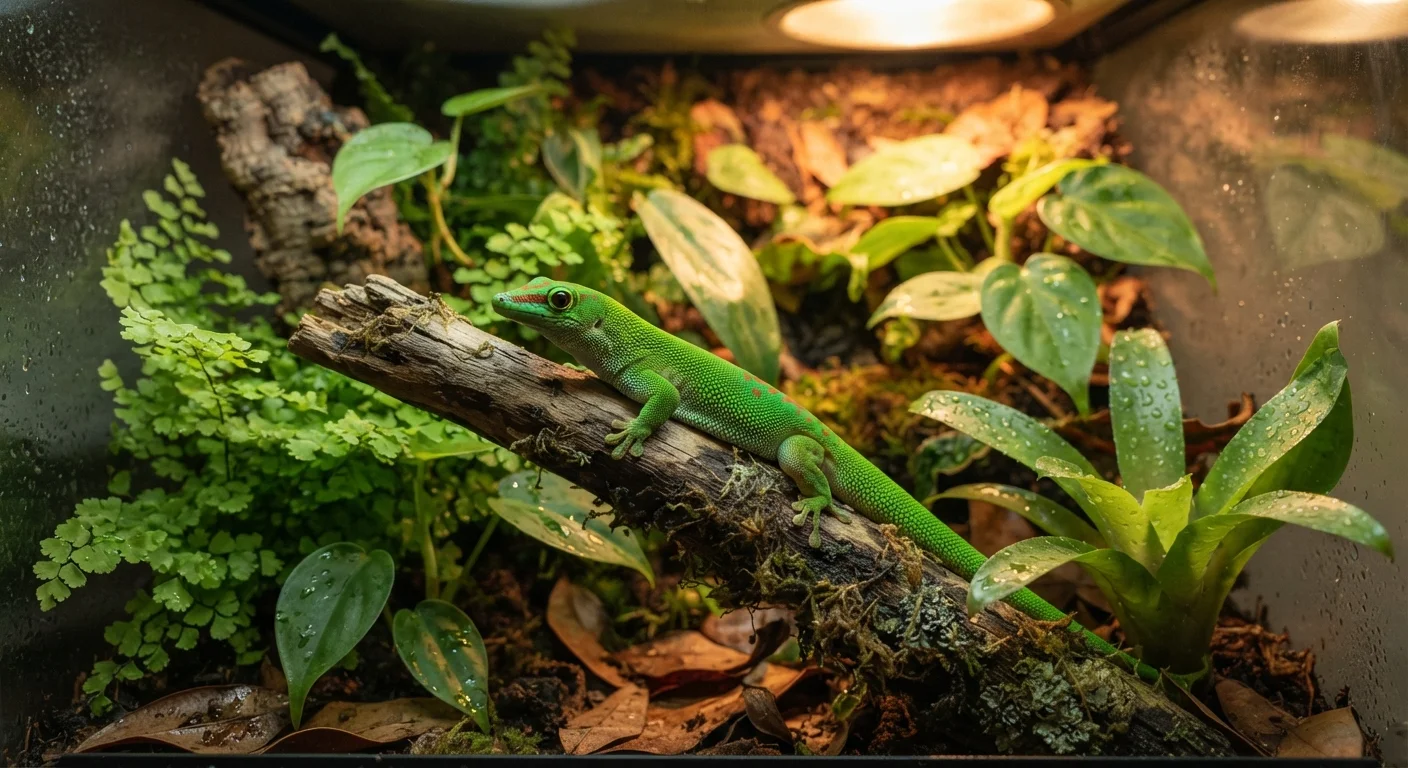
Photo credit: SyndicateExpert.com | Information At The Ready
In this article
A grounded introduction to keeping reptiles — covering enclosure setup, temperature gradients, lighting, feeding, and safe handling practices.
Key Takeaways
- Reptiles require species-specific environments — there is no universal care standard.
- A proper temperature gradient, not just a single heat source, is essential for reptile health.
- Many reptiles need UVB lighting to metabolize calcium and avoid metabolic bone disease.
- Beginner-friendly species like leopard geckos and corn snakes are generally more forgiving of minor husbandry mistakes.
- Handling should be gradual and calm — reptiles respond to stress differently than mammals.
- Find a reptile-experienced veterinarian before you bring your animal home.
Is Reptile Keeping Right for You?
Reptiles are rewarding companions, but they are not low-maintenance pets — they are high-knowledge pets. Unlike dogs or cats, reptiles cannot communicate discomfort easily, and early signs of illness are often subtle. Before acquiring any reptile, prospective owners should honestly assess their willingness to invest in proper equipment, learn species-specific biology, and locate a veterinarian experienced with exotic animals.
If you're already comfortable caring for other non-traditional pets — perhaps you've gone through the setup process for an aquatic environment (see setting up a freshwater aquarium) — you'll recognize that reptile keeping shares that same emphasis on environment control over hands-on interaction. The commitment is real, but so is the satisfaction of creating a thriving habitat.
Choosing a Beginner-Friendly Species
Species selection is the single most important decision a new reptile keeper makes. Avoid choosing based on appearance alone. Instead, research husbandry requirements thoroughly and match them to your living situation, schedule, and budget.
- Leopard gecko: Nocturnal, ground-dwelling, compact enclosure requirements, tolerates handling, does not require high UVB levels.
- Corn snake: Docile temperament, straightforward feeding schedule, escape-prone so a secure lid is essential, does well at moderate room temperatures.
- Bearded dragon: Diurnal (active during the day), sociable by reptile standards, but requires robust UVB lighting and a larger enclosure.
- Blue-tongued skink: Omnivorous, curious, generally tolerant of handling, and well-suited to keepers who want regular interaction.
Avoid species that are wild-caught, highly venomous, or require extremely specific humidity or temperature conditions until you have more experience.
Ectotherm
An animal that regulates its body temperature using external heat sources rather than generating heat internally — reptiles are ectotherms.
Temperature gradient
A range of temperatures across an enclosure, from warm basking zone to cooler retreat, that allows a reptile to self-regulate its body temperature by moving between areas.
UVB lighting
A type of ultraviolet light that enables reptiles to synthesize vitamin D3, which is essential for calcium absorption and bone health.
Gut-loading
Feeding nutritious foods to feeder insects before offering them to a reptile, so the reptile receives those nutrients when it eats the insect.
Metabolic bone disease
A painful condition in reptiles caused by calcium deficiency or insufficient vitamin D3, often resulting from inadequate UVB lighting or poor diet.
Substrate
The material placed on the floor of a reptile enclosure — it serves functional roles in humidity control, hygiene, and the animal's natural behaviors.
Hygrometer
A device used to measure humidity levels inside a reptile enclosure, helping owners maintain the moisture range appropriate for their species.
Setting Up the Enclosure
The enclosure must be fully set up and stable for at least 48–72 hours before you introduce any animal. This allows you to verify that temperatures and humidity are hitting target ranges consistently.
Key considerations for any reptile enclosure:
- Size: Research the adult size of your chosen species. Many beginners underestimate how much space a mature animal requires.
- Ventilation: Adequate airflow prevents bacterial buildup and respiratory problems, but excessive drafts can cause temperature instability.
- Substrate: The material covering the floor of the enclosure should be species-appropriate. Loose substrates can cause impaction if swallowed; paper-based substrates are safe but less naturalistic.
- Hides: Every reptile needs at least two hides — one on the warm side and one on the cool side — to feel secure and thermoregulate properly.
For a deeper look at how enclosure design interacts with heating and lighting equipment, this guide to heating and lighting systems covers each component in detail.
Heat, Light, and Humidity
Reptiles are ectotherms — they cannot generate their own body heat and rely entirely on their environment to regulate internal temperature. Getting this wrong is the most common cause of illness in captive reptiles.
Temperature gradients are non-negotiable. The enclosure must have a warm basking zone and a cooler retreat. A basking spot for a bearded dragon may need to reach 100–110°F, while the cool end sits around 80°F. A leopard gecko's basking surface may only need to reach 88–92°F. These numbers are species-specific — never guess.
UVB lighting enables reptiles to synthesize vitamin D3, which is critical for calcium absorption. Without adequate UVB, metabolic bone disease (a painful and often irreversible condition) can develop. Diurnal species almost universally require UVB; some nocturnal species benefit from low-level UVB as well.
Humidity is equally important. Ball pythons need relatively high humidity; crested geckos require periodic misting; desert-adapted species like leopard geckos do poorly in persistently damp enclosures. Use a digital hygrometer to monitor moisture levels consistently.
Use a Thermometer Gun for Accuracy
Stick-on dial thermometers are notoriously inaccurate for measuring surface basking temperatures. An infrared thermometer gun gives you an instant, precise reading of the exact surface your reptile is resting on. Accurate temperature readings are one of the most important investments you can make in your animal's health.
Feeding Basics
Reptile diets vary dramatically by species. Insectivores (leopard geckos, crested geckos) eat live insects that should themselves be gut-loaded — fed nutritious foods before being offered to your reptile — and dusted with calcium and vitamin supplements. Snakes typically eat pre-killed or frozen-thawed rodents appropriate for their body size. Omnivores like bearded dragons require a rotation of insects and fresh leafy vegetables.
Fresh water must be available at all times for most species, though some desert reptiles derive most moisture from food. Clean water dishes regularly to prevent bacterial growth. Never feed wild-caught insects, as they may carry pesticides or parasites.
Safe and Respectful Handling
Reptiles are not instinctively comfortable with being held — tolerance is built gradually through repeated, low-stress exposure. New animals should be given one to two weeks to settle into their enclosure before any handling begins. During this acclimation period, limit disturbances and avoid tapping on the glass.
When you do begin handling, keep sessions short — five to ten minutes — and avoid handling around feeding time or during shedding. Support the animal's full body weight; never restrain a reptile tightly. If it shows signs of stress (gaping, tail rattling, dark coloration, rapid breathing), return it calmly to the enclosure.
Always wash your hands before and after handling any reptile. Reptiles can carry Salmonella and other bacteria without appearing ill, making basic hygiene a non-negotiable practice. For a comprehensive look at daily care and enrichment beyond handling basics, see handling and enrichment for reptiles.
This article provides general educational information about reptile care and is not a substitute for guidance from a qualified exotic animal veterinarian. Always consult a reptile-experienced vet for health concerns specific to your animal.
Frequently Asked Questions

Author
Pets & Animals Editorial Team
Pets & Animals Editorial Team is the collective byline for our editorial team and contributor network. Articles published under this byline or an editorial pen name are researched, written, and reviewed according to our editorial standards for clarity, consistency, and independence before publication.
View all articles →