
Setting Up a Freshwater Aquarium That Actually Stays Balanced
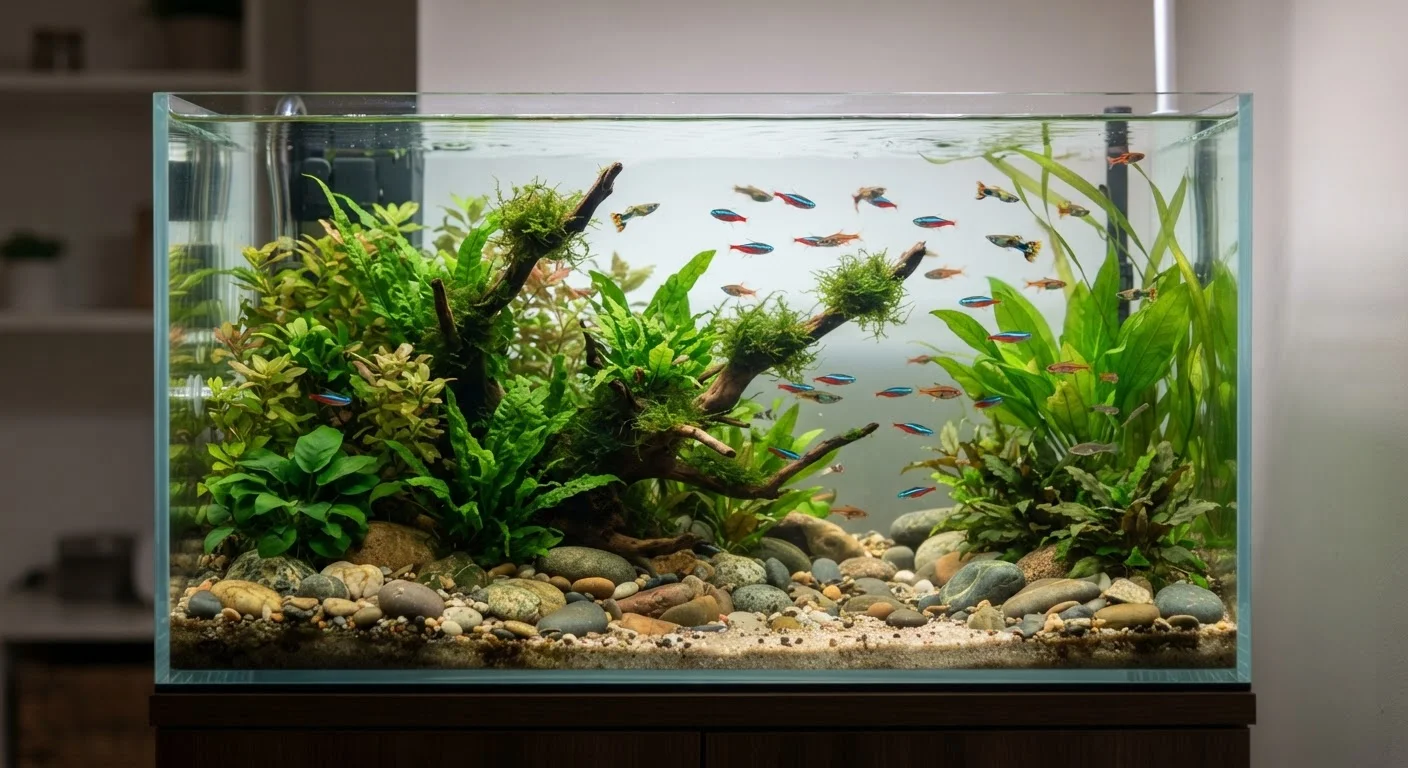
Photo credit: SyndicateExpert.com | Information At The Ready
In this article
From cycling your tank to choosing compatible fish, here's what new aquarium owners need to know before adding a single fish.
Key Takeaways
- Cycling your tank before adding fish is the single most important setup step.
- Tank size directly affects water stability — bigger tanks are generally more forgiving.
- Compatible fish selection prevents aggression, disease stress, and oxygen competition.
- Live plants, a quality filter, and consistent water changes form the foundation of balance.
- Testing water parameters regularly helps you catch problems before fish are harmed.
Why Most New Tanks Fail in the First Month
New aquarium owners are often tempted to fill a tank, add water conditioner, wait a day, and drop fish in. This approach almost always leads to sick or dying fish within weeks. The culprit is typically ammonia toxicity — a product of fish waste building up in a tank that hasn't yet developed the biological filtration to process it.
A freshwater aquarium isn't just a decorative container. It's a managed ecosystem, and setting it up correctly means building that ecosystem before any fish arrive. Understanding why this matters starts with the nitrogen cycle — the biological process by which beneficial bacteria convert toxic ammonia into less harmful compounds. For a deeper explanation of this process, see what the nitrogen cycle means for your fish tank.
If you've been weighing whether a freshwater setup is right for you, a comparison of freshwater and saltwater aquariums can help clarify the commitment involved in each approach.
Equipment and Prerequisites
Before you begin the physical setup, confirm you have the right equipment and a suitable location. Aquariums are heavy — a 20-gallon tank filled with water, substrate, and décor can weigh over 200 pounds. Place it on a purpose-built stand on a level surface away from direct sunlight and heating vents.
What you will need
Liquid Water Test Kit
Measures ammonia, nitrite, nitrate, and pH — essential for tracking the cycling process and ongoing water health.
Aquarium Filter
Provides mechanical and biological filtration, housing the beneficial bacteria that process fish waste.
Submersible Heater
Maintains a stable temperature for tropical freshwater species, which are sensitive to temperature swings.
Gravel Vacuum (Siphon)
Removes waste and uneaten food from the substrate during water changes without disturbing beneficial bacteria.
Water Conditioner
Neutralizes chlorine and chloramines in tap water that would otherwise harm fish and kill beneficial bacteria.
Live Aquatic Plants
Absorb ammonia and nitrate naturally, provide fish with cover, and help stabilize water chemistry over time.
Aquarium Thermometer
Lets you verify actual water temperature independently of the heater's built-in dial, which can be imprecise.
Step-by-Step Setup Process
Follow these steps in order. Skipping or reordering them — especially the cycling phase — is the most common cause of early tank failure.
Rinse the Tank, Substrate, and Décor
Rinse the aquarium itself with plain water — no soap or cleaning products, which leave toxic residues. Rinse substrate thoroughly in a bucket until the water runs mostly clear. Rinse any rocks, driftwood, or decorations the same way.
Add Substrate and Arrange Hardscape
Add two to three inches of rinsed substrate to the tank floor. Place heavier rocks and driftwood before filling with water so you can position them safely without displacement. Leave open swimming areas — overcrowded hardscape limits fish movement and makes maintenance harder.
Fill the Tank and Install Equipment
Fill the tank with tap water, pouring over a plate or bag placed on the substrate to avoid disturbing your arrangement. Add the appropriate dose of water conditioner immediately per the product's label instructions. Install the filter, heater, and thermometer according to their manufacturer guidelines. Do not plug in the heater until it is fully submerged.
Cycle the Tank Before Adding Fish
This is the most critical phase. Cycling establishes colonies of beneficial bacteria that convert toxic ammonia (from fish waste and decomposing matter) into nitrite, then into the far less toxic nitrate. A fishless cycle typically takes three to six weeks. To initiate it, add a source of ammonia — pure ammonia drops formulated for aquariums, fish food left to decompose, or a small piece of raw shrimp. Test water every two to three days. The cycle is complete when ammonia and nitrite both read zero and nitrate is detectable.
Confirm Parameters and Add Fish Gradually
Once the cycle is complete, do a 30–50% water change to reduce nitrate before any fish are added. Confirm pH and temperature match the species you've chosen. Introduce fish in small groups over several weeks rather than all at once — your biological filtration needs time to scale up to the new bioload. Float the fish bag in the tank for 15–20 minutes to equalize temperature, then slowly add small amounts of tank water to the bag before releasing fish.
Establish a Regular Maintenance Routine
A stable tank requires consistent upkeep. Perform 25–30% water changes weekly, vacuum the substrate to remove accumulated waste, and rinse mechanical filter media in removed tank water (never tap water, which kills beneficial bacteria). Test water parameters weekly for the first two months, then at minimum every two weeks once the tank is mature.
Choosing Fish That Work Together
Once your tank has completed its cycle and water parameters are stable, you can begin adding fish — slowly. Stocking too quickly overwhelms your biological filtration even after cycling.
Compatibility research matters before any purchase. Consider these factors:
- Water parameter overlap: Species should share similar pH, temperature, and hardness requirements.
- Temperament: Avoid pairing aggressive species with slow, peaceful fish that become easy targets.
- Size at maturity: A fish sold as a two-inch juvenile may grow to eight inches and outcompete or eat tank mates.
- Swimming zone: Mix top, middle, and bottom dwellers to reduce competition for space.
If you're considering goldfish, note that they have specific space and water quality demands that differ significantly from tropical species. Our article on goldfish myths and proper care covers why single-species or species-appropriate setups often work better for them.
Before bringing any fish home, run through a final verification using our new fish owner checklist to confirm your tank is truly ready.
This article is for general informational purposes. Always consult a knowledgeable aquatic specialist or veterinarian with experience in fish health for concerns about disease, medication, or water chemistry outside normal parameters.

Author
Pets & Animals Editorial Team
Pets & Animals Editorial Team is the collective byline for our editorial team and contributor network. Articles published under this byline or an editorial pen name are researched, written, and reviewed according to our editorial standards for clarity, consistency, and independence before publication.
View all articles →