
Driving After 65: How Aging Affects Reaction Time, Vision, and Road Safety
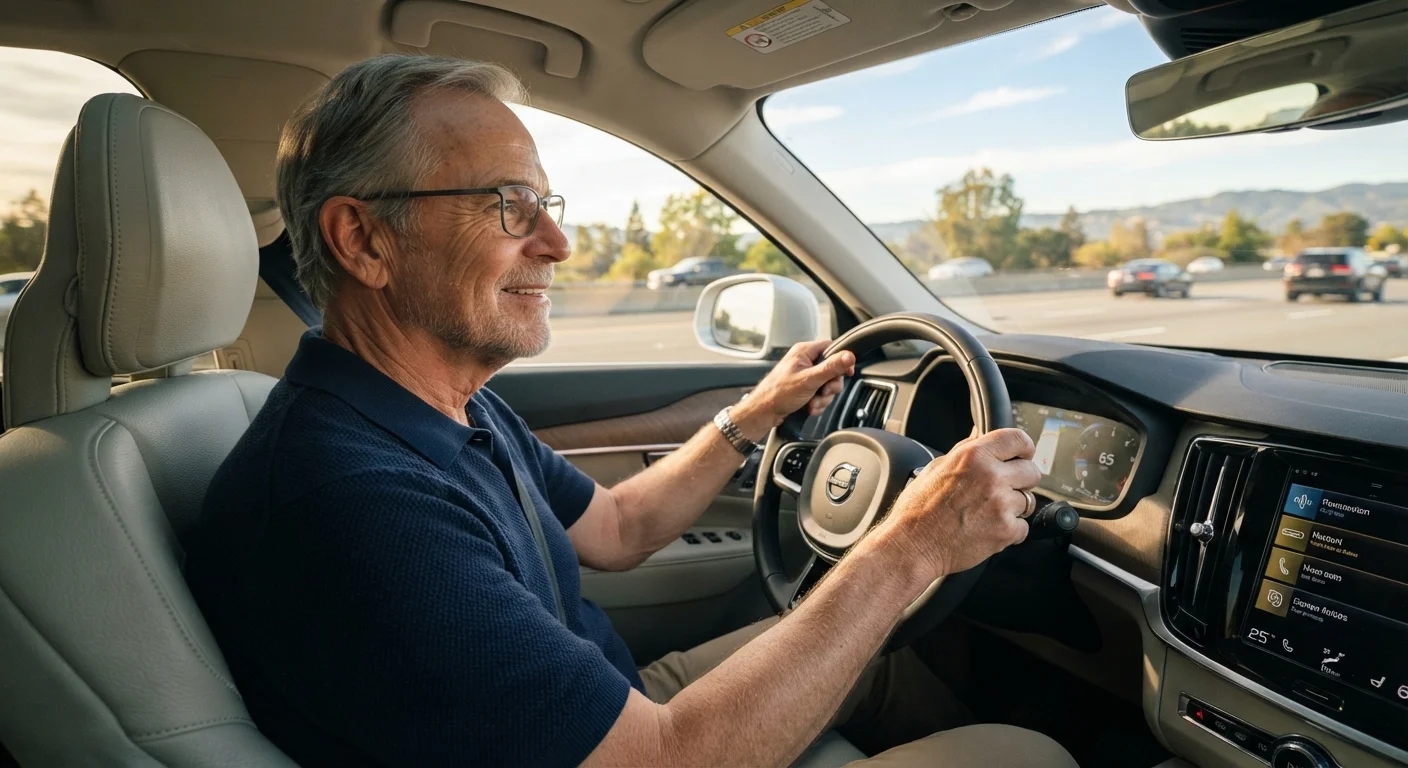
Photo credit: SyndicateExpert.com | Information At The Ready
In this article
Aging changes how we perceive and respond to road conditions. Here's an honest look at those shifts and the strategies that help older drivers adapt.
Key Takeaways
- Aging predictably slows reaction time and narrows vision, but awareness of these changes is the first step to compensating for them.
- Adjusting driving habits — such as increasing following distance and avoiding nighttime or high-traffic routes — meaningfully reduces crash risk.
- Annual eye exams and regular medication reviews with a doctor are critical safety steps for older drivers.
- Defensive driving techniques become even more valuable as age-related changes accumulate.
- Knowing when to limit or stop driving is an act of responsibility, not defeat.
What Aging Actually Does to Driving Ability
Driving after 65 doesn't automatically mean driving unsafely. Many older Americans are experienced, cautious, and law-abiding road users. But aging does produce real, measurable changes in the body and brain — changes that directly affect the physical and cognitive demands of operating a vehicle.
Reaction time slows with age. Research consistently shows that the time it takes to perceive a hazard and move a foot to the brake increases as we get older. At 60 mph, even a fraction of a second of extra delay adds meaningful stopping distance. This is why speed and stopping distance deserve extra attention for older drivers.
Vision changes are equally significant. Contrast sensitivity declines, making it harder to distinguish objects from similar backgrounds — especially at dusk. The eyes take longer to adjust when moving between bright and dark environments, and peripheral (side) vision narrows. Glare from oncoming headlights becomes harder to tolerate. For a thorough look at why these issues are amplified after dark, see our guide on nighttime driving hazards.
Cognitive processing also changes. Divided attention — handling multiple information streams at once, like monitoring a merging lane while reading a sign — becomes more demanding. Flexibility in shifting attention quickly can slow, which increases the mental load at busy intersections or on unfamiliar roads.
Best Practices for Safer Driving After 65
The goal isn't to discourage older drivers — it's to help them drive smarter. Most age-related risks can be managed through deliberate habit changes and proactive health maintenance.
Increase your following distance to at least four seconds in normal conditions
Slower reaction time means you need more space to respond before a situation becomes a collision. The standard two-second rule was designed for younger drivers with faster reflexes. Extending to four seconds — or more in poor conditions — compensates directly for the delay. For more context on why following distance is so critical, see our piece on tailgating dangers at highway speeds.
Schedule annual comprehensive eye exams with an eye care professional
Vision problems — including declining contrast sensitivity, increased glare sensitivity, and narrowing visual field — often develop gradually and may go unnoticed by the driver. An eye care professional can detect these changes early and prescribe corrective lenses or treatments that restore functional driving vision.
Review all medications with your physician or pharmacist for driving-related side effects
Many common medications — including antihistamines, certain blood pressure drugs, sleep aids, and muscle relaxants — can impair alertness, coordination, or reaction time. Older adults often take multiple medications, and interaction effects can compound these risks without the driver being aware.
Plan routes in advance and avoid high-stress driving environments when possible
Unfamiliar roads, heavy traffic, complex interchanges, and left turns across fast-moving traffic all increase cognitive load. Reducing exposure to these situations — especially during peak hours — is a practical and effective risk-reduction strategy, not an admission of failure.
Limit driving in low-visibility conditions, particularly at night and during bad weather
Age-related vision changes make low-contrast environments — dawn, dusk, rain, fog, and darkness — significantly more challenging than they are for younger drivers. Voluntarily limiting driving to daylight hours and fair weather removes a disproportionate share of risk.
Pair these practices with the mindset shifts covered in our article on defensive driving mental habits — the strategies reinforce each other directly.
Quick Wins You Can Act on Today
Some adjustments take planning; others can be made immediately. Start with the highest-impact items below.
Knowing When to Have an Honest Conversation
Driving carries enormous personal value — independence, social connection, and a sense of competence all depend on it for many Americans. That's exactly why the conversation about limiting or stopping driving is so difficult, and so important to have proactively rather than in response to a crash.
Warning signs that a more substantial evaluation may be needed include: frequent close calls or minor fender-benders, getting lost on familiar routes, difficulty staying in a lane, and feedback from passengers or family members who feel unsafe. These aren't signs of failure — they're data points worth taking seriously.
A driving rehabilitation specialist — a licensed occupational therapist with specialized training — can perform a comprehensive behind-the-wheel evaluation and recommend adaptive equipment or route strategies. Many hospital systems and AAA chapters offer driver assessment programs specifically for older adults.
Keeping your vehicle itself well-maintained also matters. Features like larger mirrors, automatic emergency braking, and lane-keeping assist are now available on many vehicles and can provide meaningful backup to age-affected responses. Similarly, adjusting to challenging road surfaces is important; our article on driving on wet roads and variable surfaces offers tactics that apply regardless of age but are especially relevant when reaction time is slower.
This article is for general informational purposes only. Readers with concerns about their driving fitness, vision, or medication effects should consult a qualified healthcare professional or licensed driving rehabilitation specialist.

Author
Cars & Driving Editorial Team
Cars & Driving Editorial Team is the collective byline for our editorial team and contributor network. Articles published under this byline or an editorial pen name are researched, written, and reviewed according to our editorial standards for clarity, consistency, and independence before publication.
View all articles →